Capping Methane Leaks
Capping methane emissions by finding and plugging leaking orphaned oil and gas wells.
This project permanently stops methane emissions by finding and plugging leaking orphaned oil and gas wells. Methane is a potent non-C02 gas with a global warming potential of 84 times that of C02 over 20 years and is responsible for at least 25% of the global warming we are experiencing today. It is also a short-term climate pollutant, with non-C02 gases accounting for nearly half of all global warming from human activity since 1970, which is why preventing the release of such gases is crucial to mitigating climate change alongside C02 reduction and removal.
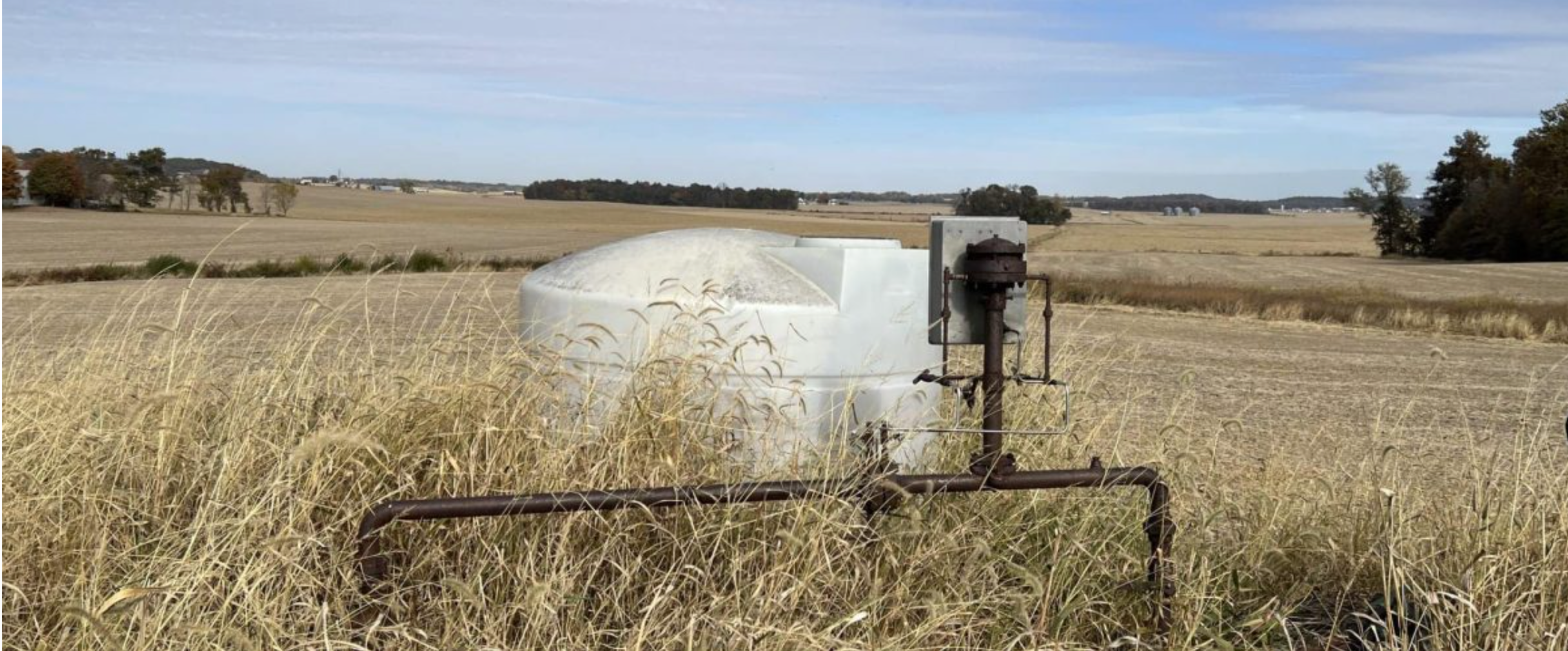
Action feed
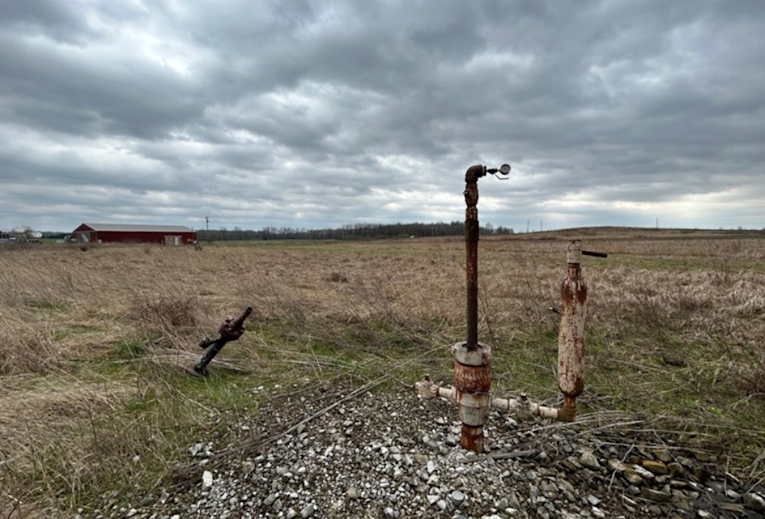
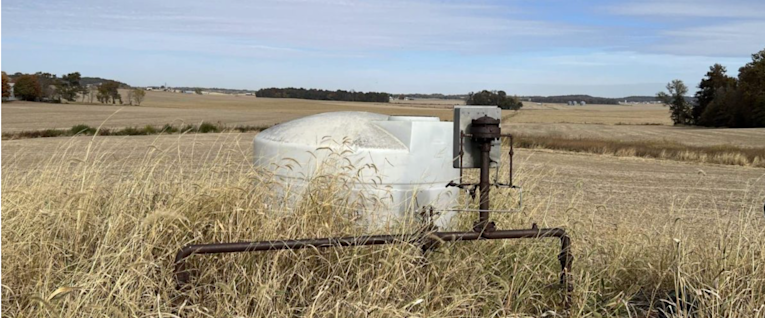
A rusting well head in a field in Kansas. Photo credit: Tradewater
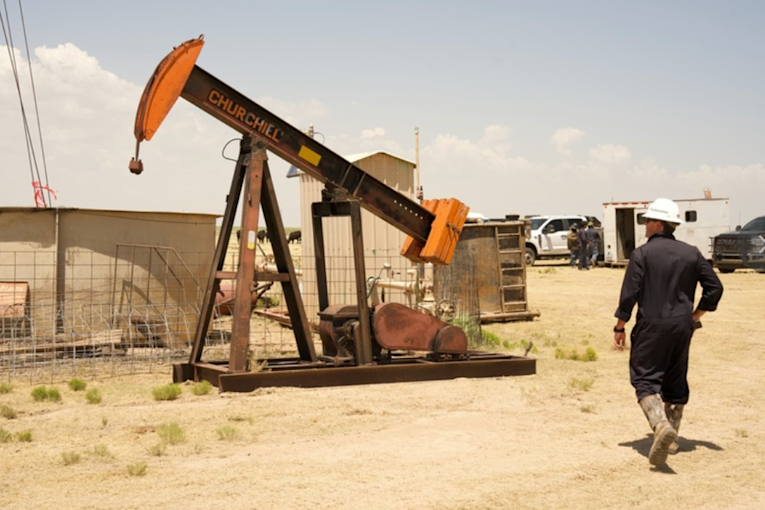
Tradewater employee walking towards a pumpjack. Photo credit: Tradewater
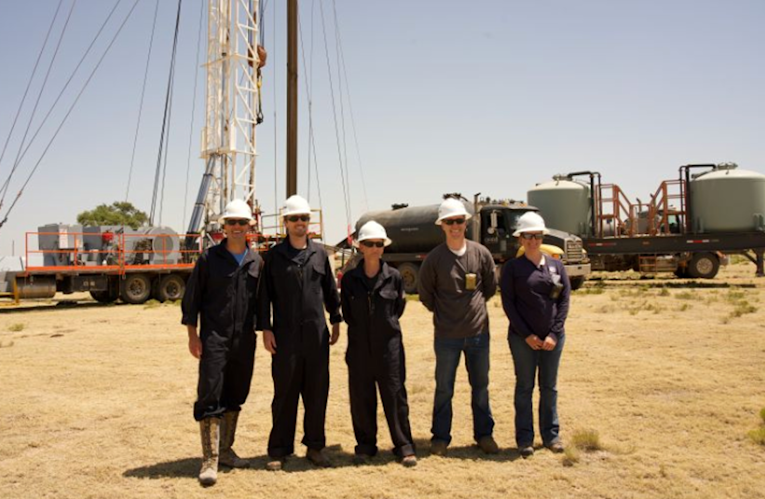
Tradewater employees on a recent well plugging trip in Kansas. Photo credit: Tradewater

Around 14 million Americans, including landowner Wayne Wiltshire, live within a mile of a documented orphaned oil or gas well. Since launching its well-capping project in 2023, Tradewater has completed four well-plugging projects, preventing emissions equivalent to more than 1 million tonnes of CO₂ while restoring land for landowners and their communities. Photo credit: Tradewater
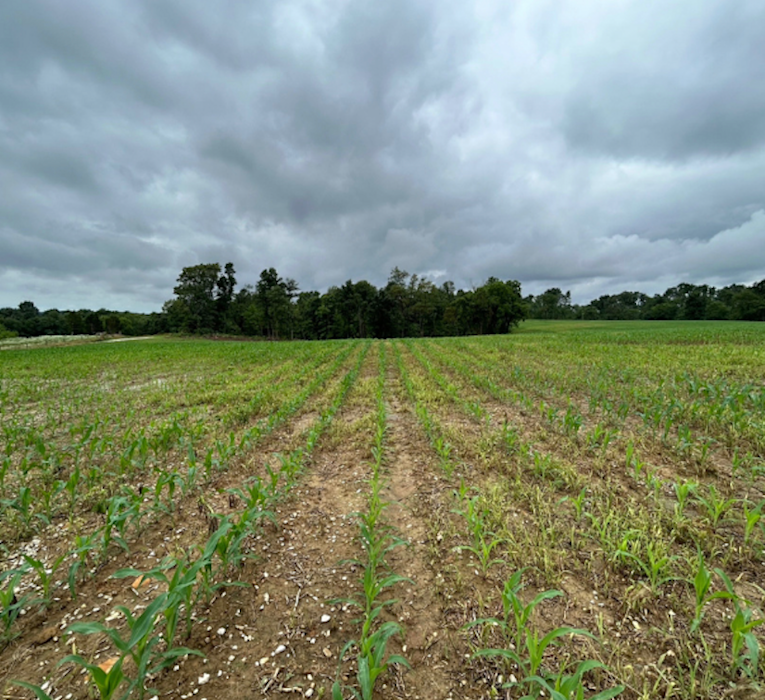
Removing surface equipment restores land usability for landowners. This image shows how a farmer has benefitted from the removal of an orphaned well, planting straight rows of corn where such activity was previously impossible.
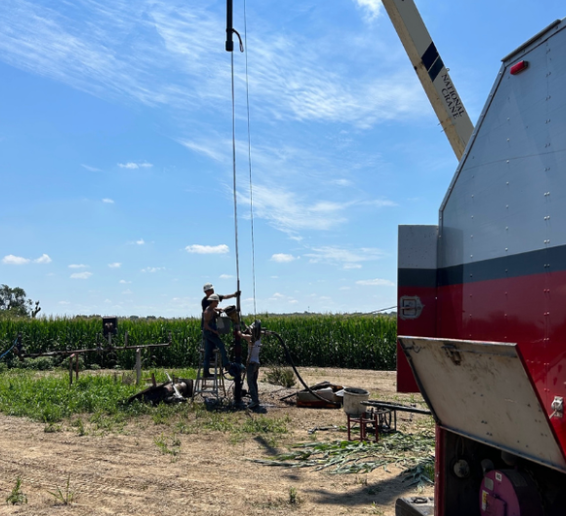
Plugging wells creates thousands of new jobs for skilled workers who can apply their expertise in well operations to climate mitigation efforts. A report by Ohio River Valley Institute estimates that expanded plugging operations could create 13000 new jobs in Ohio and Pennsylvania alone.
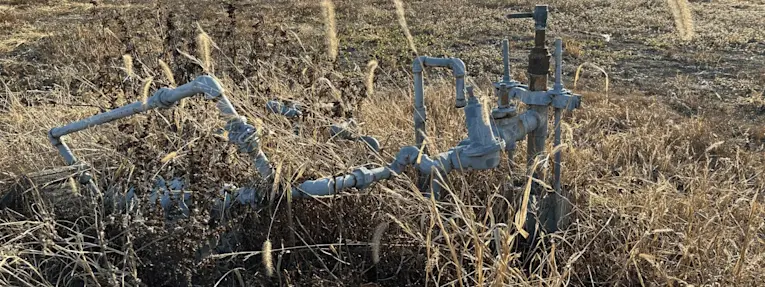
Wells are not only harmful to the environment but pose immediate and serious risks to nearby communities. Some wells encountered have been leaking enough hydrogen sulfide to be fatal with direct exposure. In addition, iron sulfide is frequently present and can self-ignite when exposed to air.
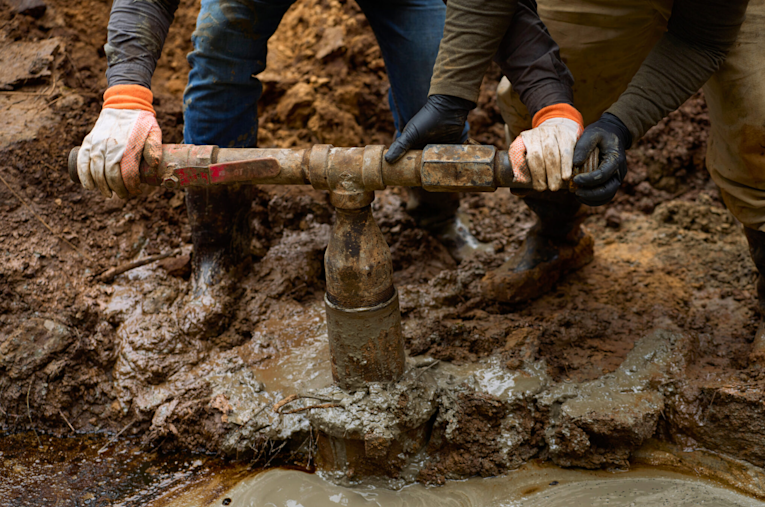
Investigations in Ohio and Texas found that 14-22% of water contamination incidents were caused by orphaned wells, underscoring a critical co-benefit of plugging orphaned wells.
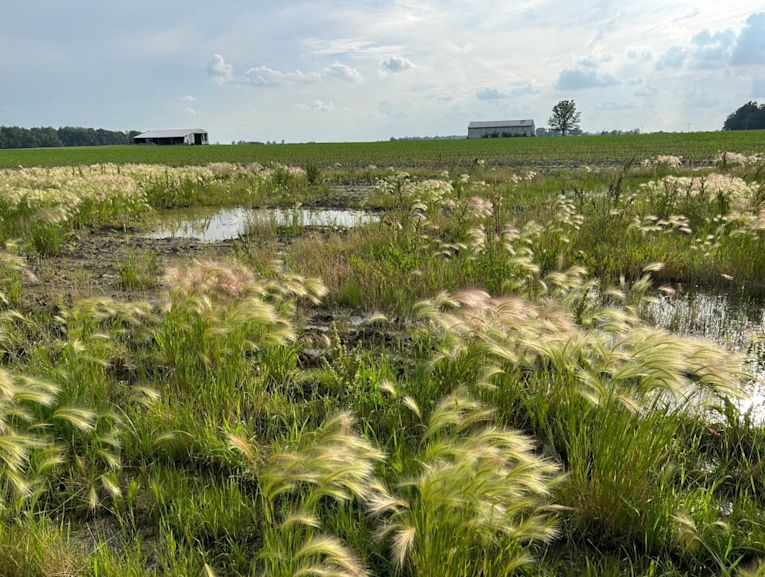
Long-term land restoration following orphaned well plugging.
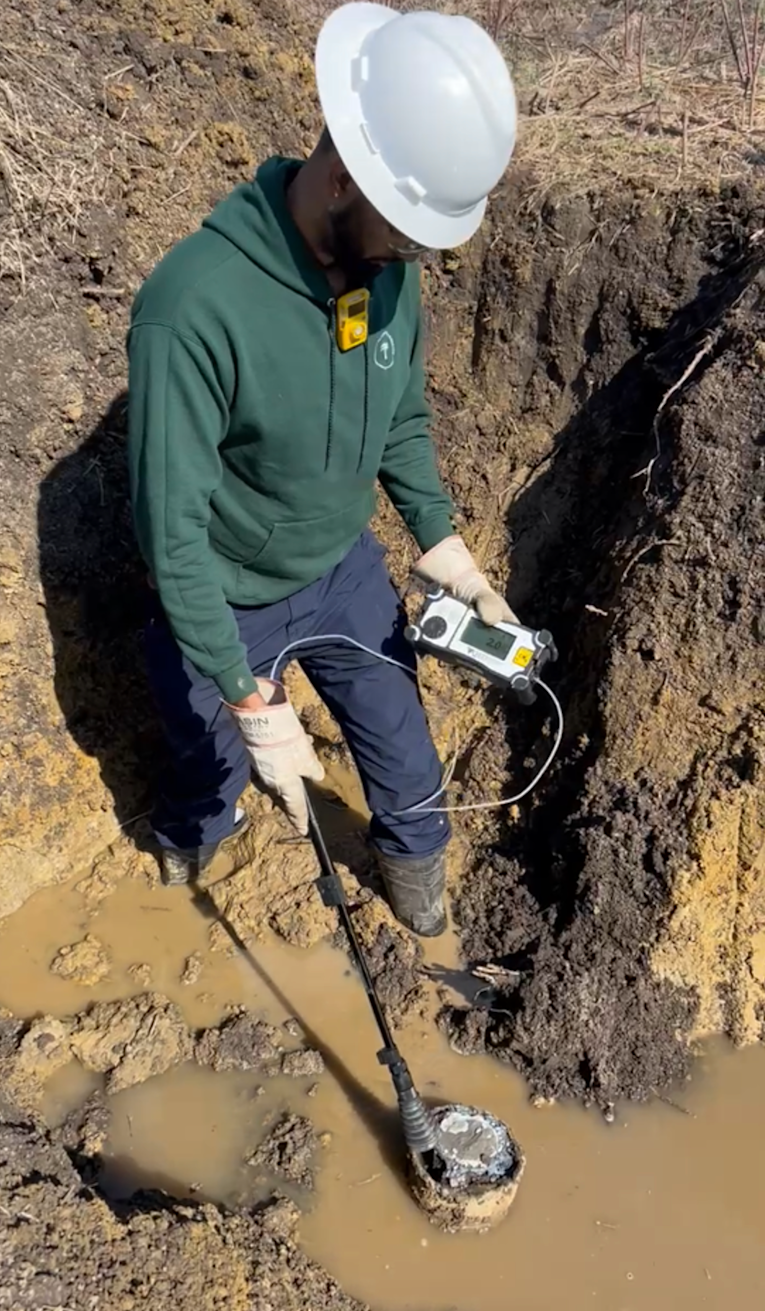
Tradewater team member conducting post plug monitoring.
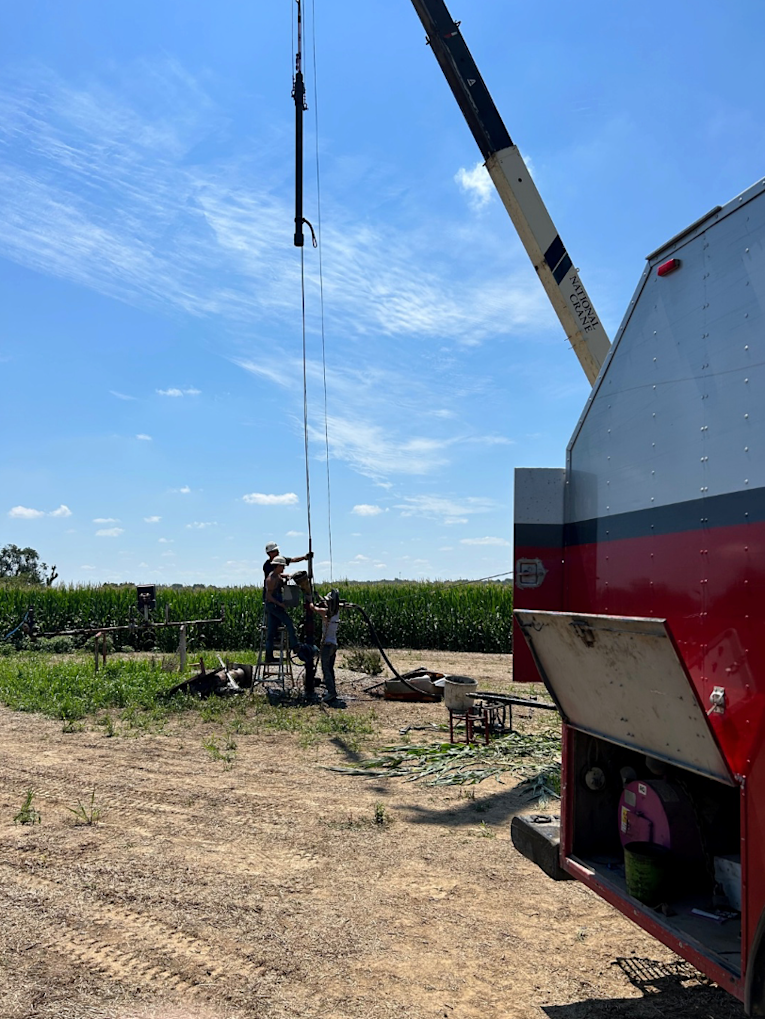
Local contractors and Tradewater team member operating a dump bail during well plugging.
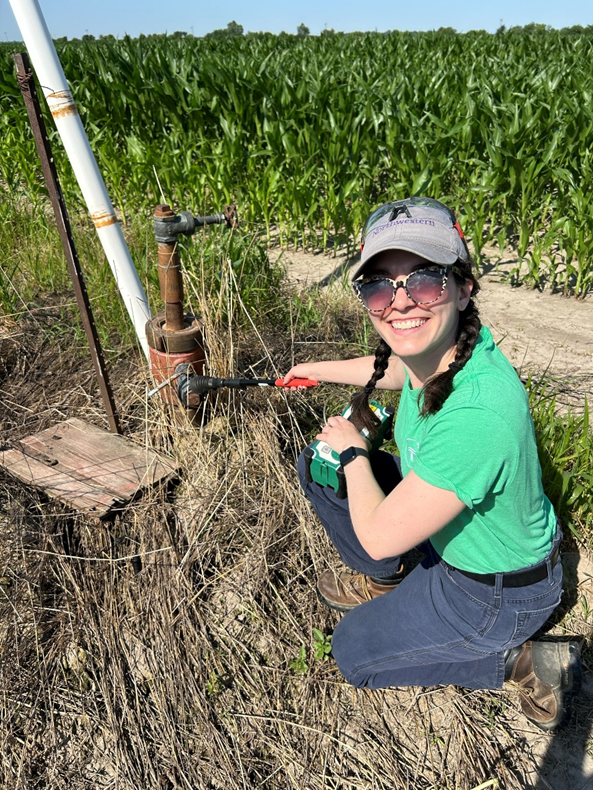
Tradewater team member inspecting for methane leaks during an initial site visit to assess the well’s suitability for our program.
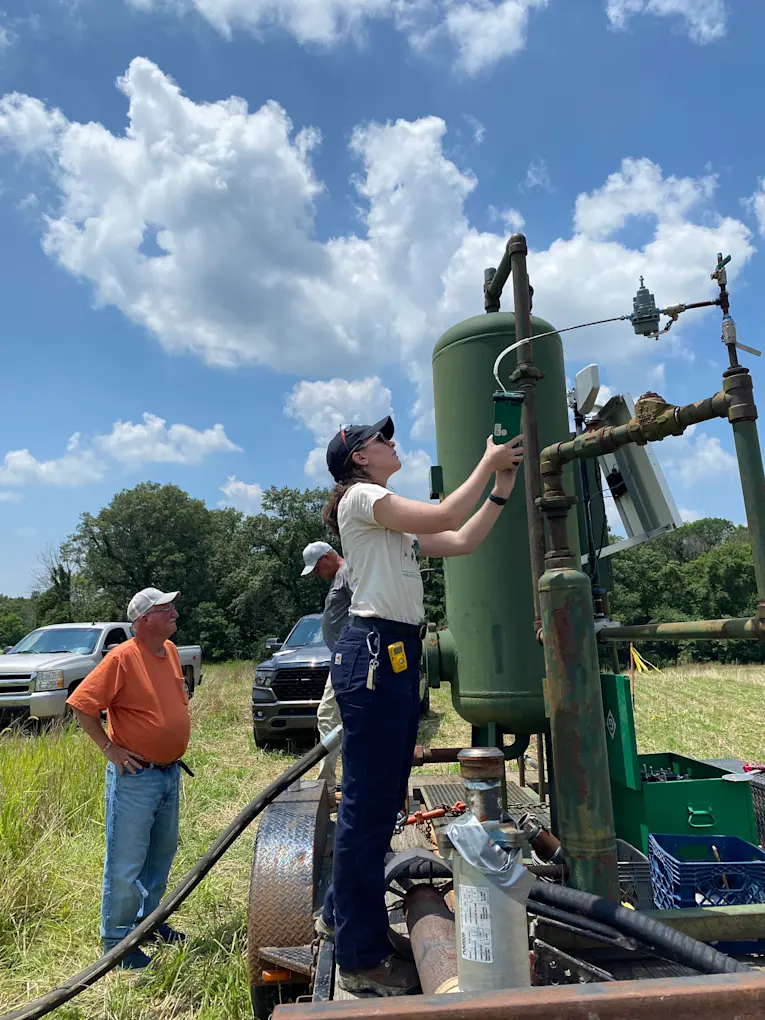
Tradewater staff members working on pipe from an orphaned well
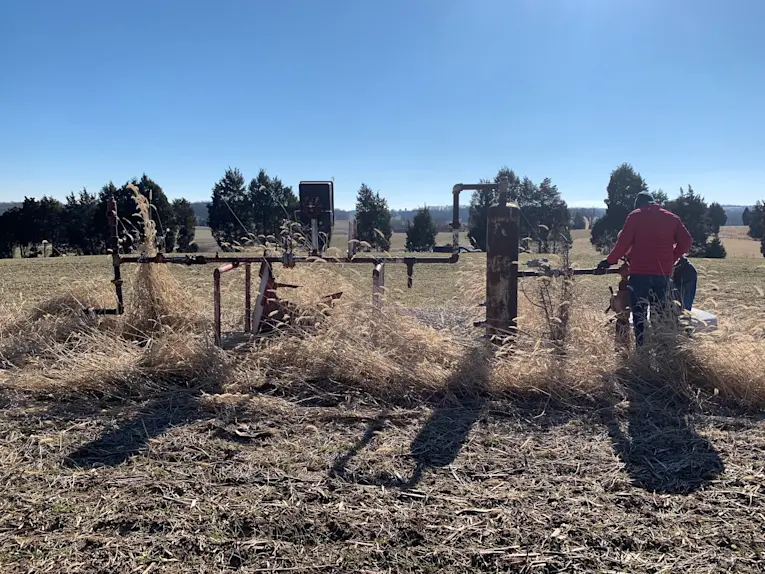
Orphaned oil and gas well (2)
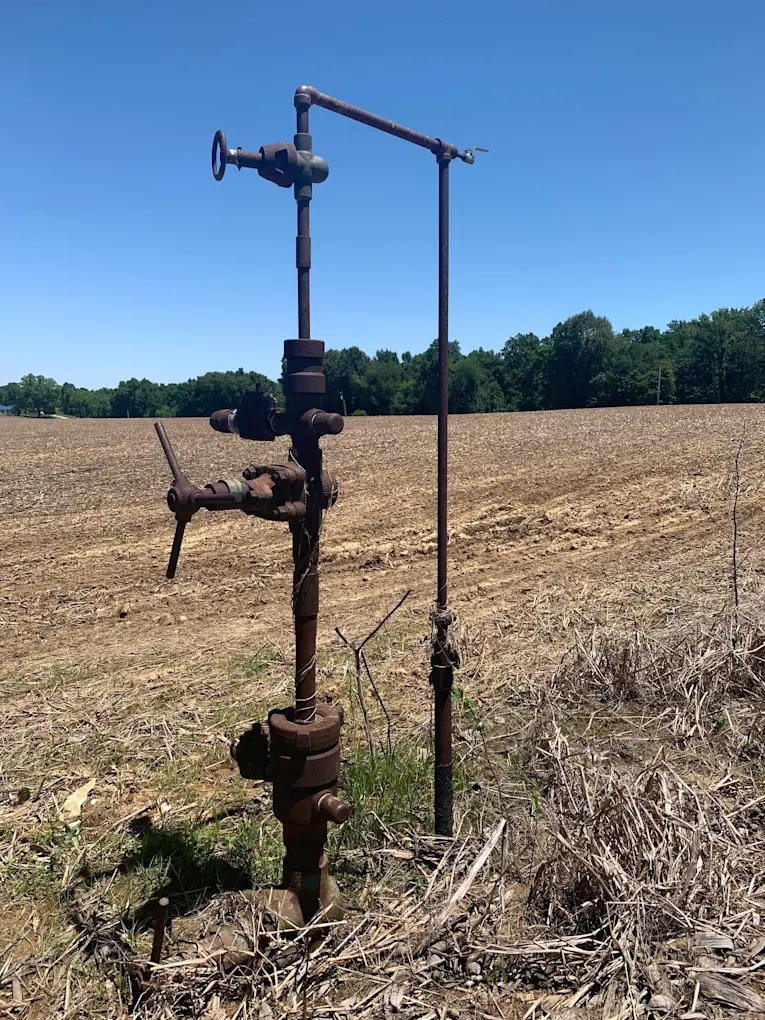
Orphaned oil and gas well
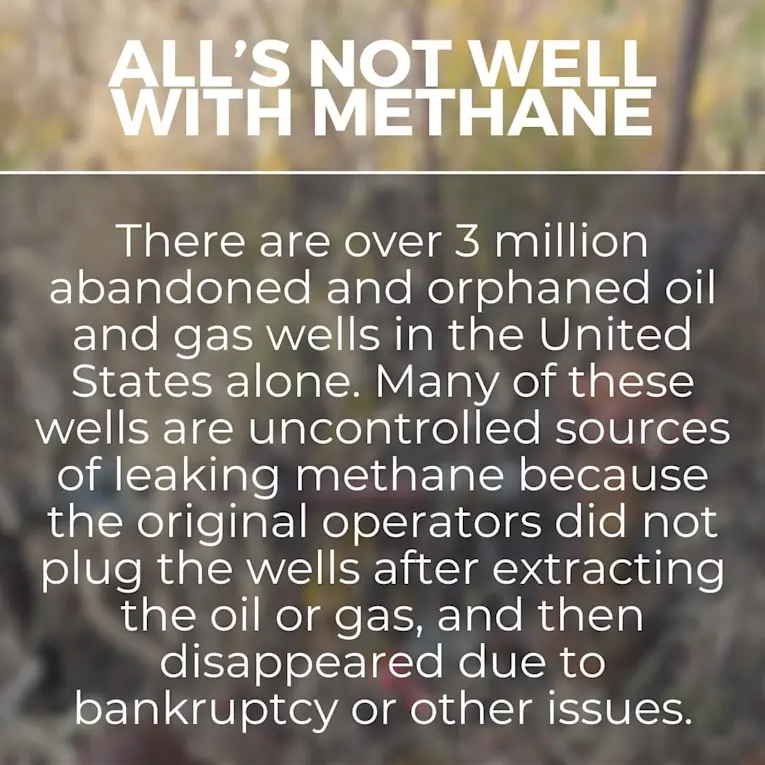
If we want to give ourselves a chance to prevent catastrophic climate change, we must urgently address methane emissions with action right now. Here is a quick fact about methane and why the work we are doing at Tradewater to permanently prevent their potent emissions from entering our atmosphere is a crucial third pathway in keeping as close to 1.5C alongside C02 emissions reductions and removals.
Capping Methane Leaks was verified by Pinwheel
Capping Methane Leaks joined Pinwheel!