Coral Restoration
The creation of artificial reefs to reverse coral loss and create ecological habitats
Coral reefs are globally declining and their valuable ecosystem services are being lost. Implementation of artificial reefs could compensate for the loss and create ecological habitats. Most types of artificial reefs are expensive and take a lot of time to regenerate degraded reefs. Mineral accretion technology (MAT) uses seawater electrolysis to precipitate minerals onto steel structures. Boskalis developed a new type of modular steel artificial reef unit, which has the potential to be implemented on a large scale.
Action feed
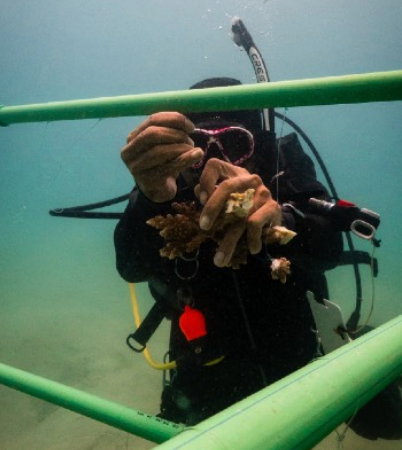
Five floating trees have been installed near the nurseries to support research and comparison. These structures were seeded with the same coral species used in the nurseries, adding another 300 fragments to the overall restoration initiative.
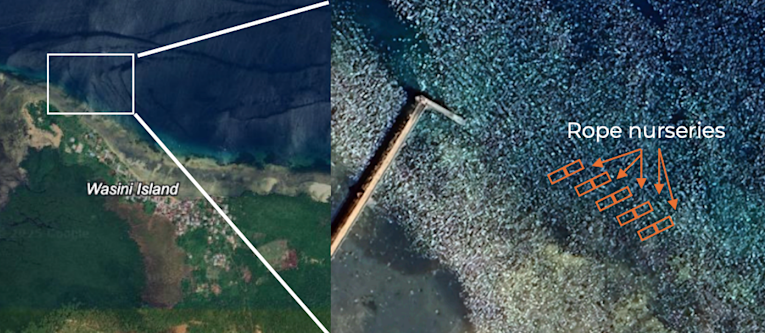
Nursery sites are carefully selected within the BMU-managed no-take zone, an area protected from fishing and other extractive activities to promote coral and fish recovery. The site has good connectivity with healthy coral reefs, offering a suitable depth, good water flow, and minimal sedimentation.
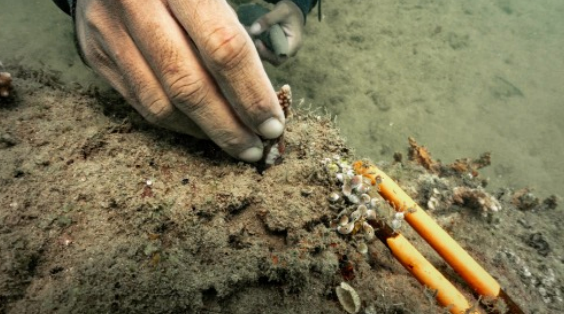
During an outplanting session 38 coral fragments of A.verweyi were cemented on nearby natural bare rocks to boost the connectivity between the nursery and nearby resilient reefs.
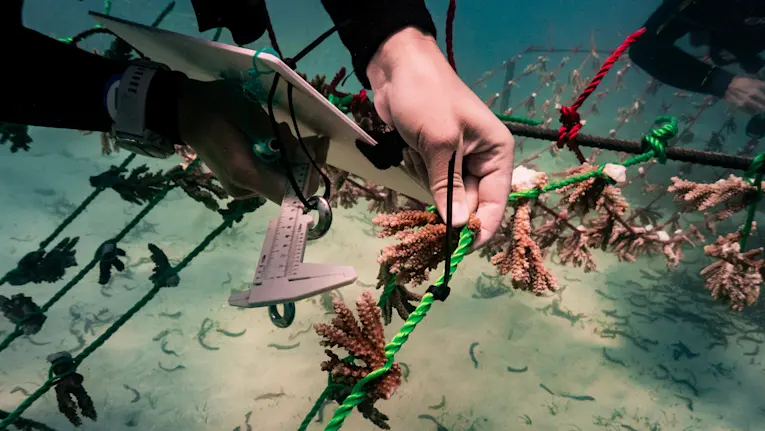
The spacing between fragments is standardised to limit competition and promote uniform growth.
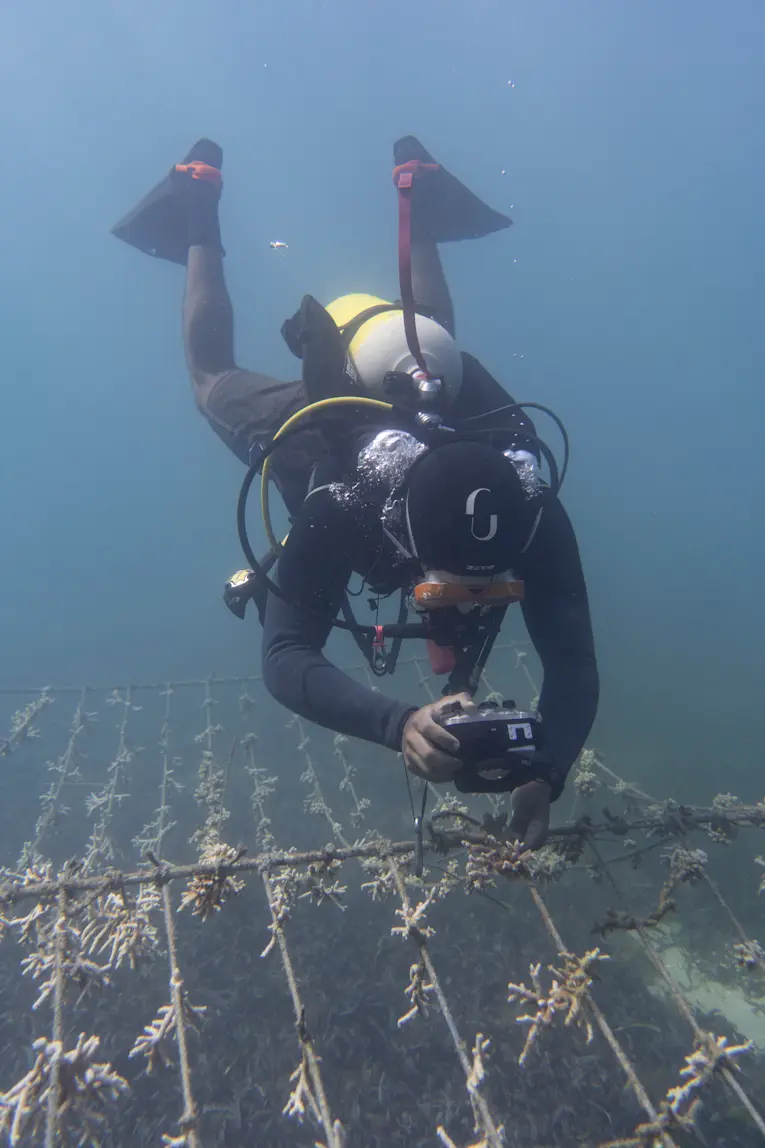
Each rope nursery is designed to: - optimise light exposure - ensure adequate water flow - reduce sedimentation - minimise predation - maintain resistance to corrosion in marine conditions - allow easy maintenance and future monitoring
Over 2,100 corals were attached to five brand new rope nurseries on this day, made up of fast-growing, reef-building, and thermally tolerant coral species. This is what can be done when communities and organisations like Coralive come together with a common goal. Photo credits: Dzivula Gabe
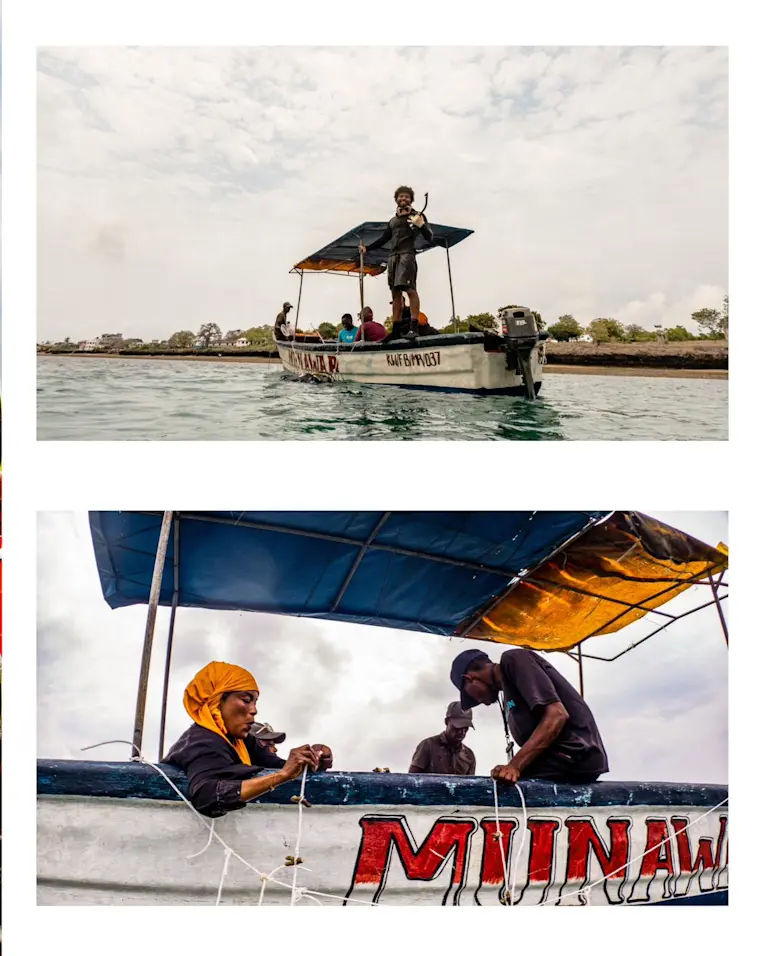
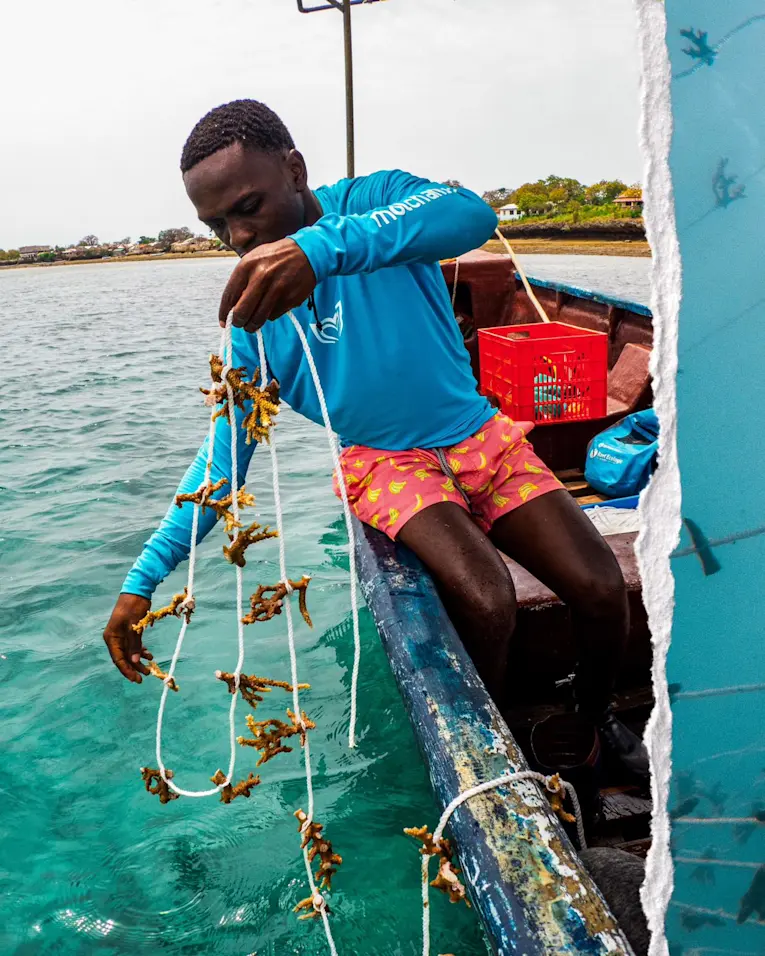
Instead of preparing the ropes underwater, which requires expensive SCUBA diving operations, the ropes are filled on a boat and dangled in the water to keep the corals alive until they are ready to be taken to the nursery. Photo credits: Dzivula Gabe
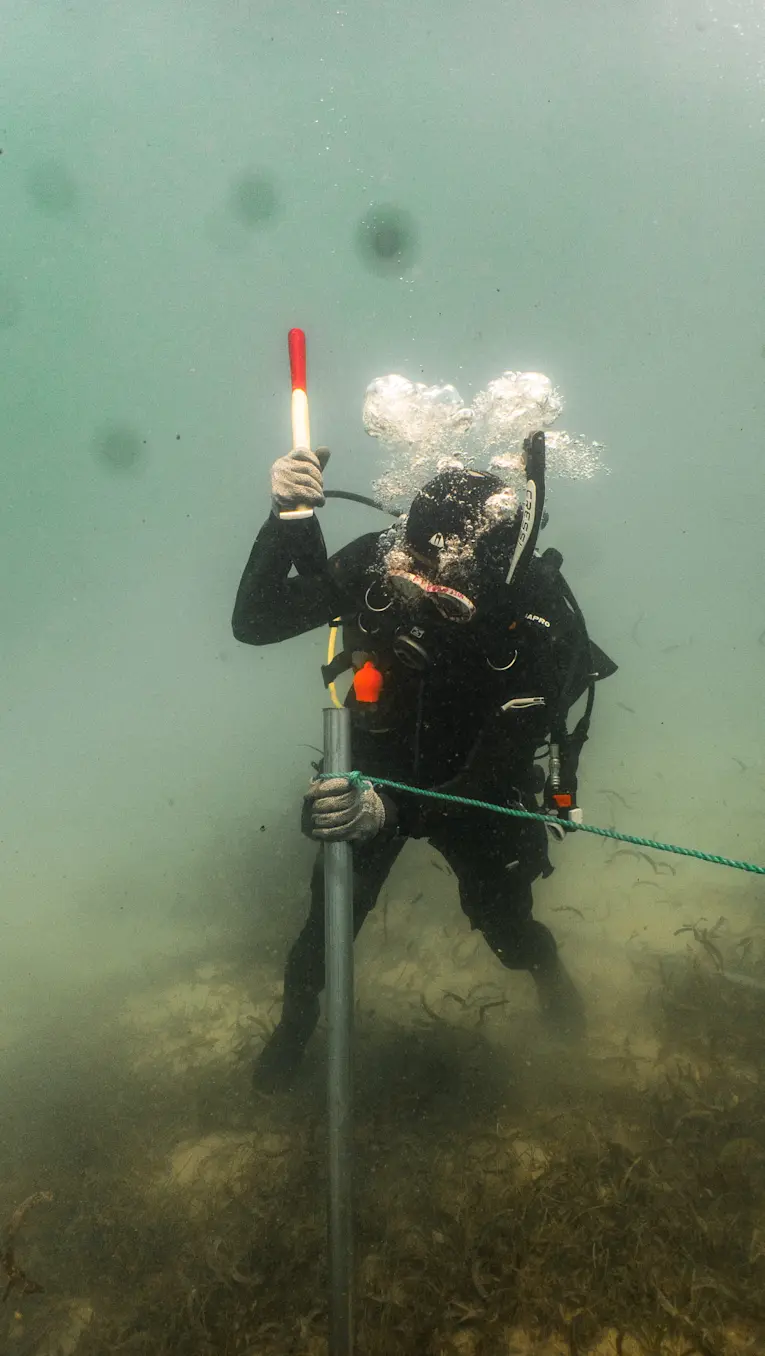
Through technical leadership, restoration expertise, and skilled divers who constructed nurseries, collected fragments, and designed robust monitoring protocols, Coralive's involvement has helped accelerate the scaling of coral propagation efforts in Ranobe bay.
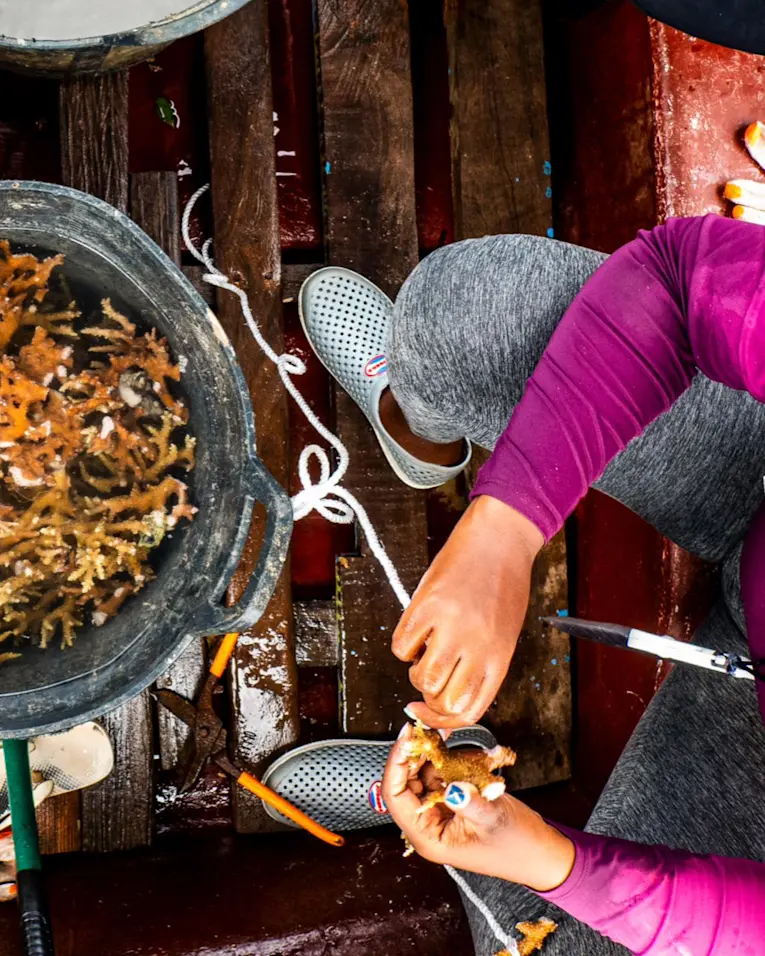
Four-metre lengths of ropes are packed with about 20 fragments each, before being taken down to the nurseries by free-divers and attached onto the new nurseries. Photo credits: Dzivula Gabe
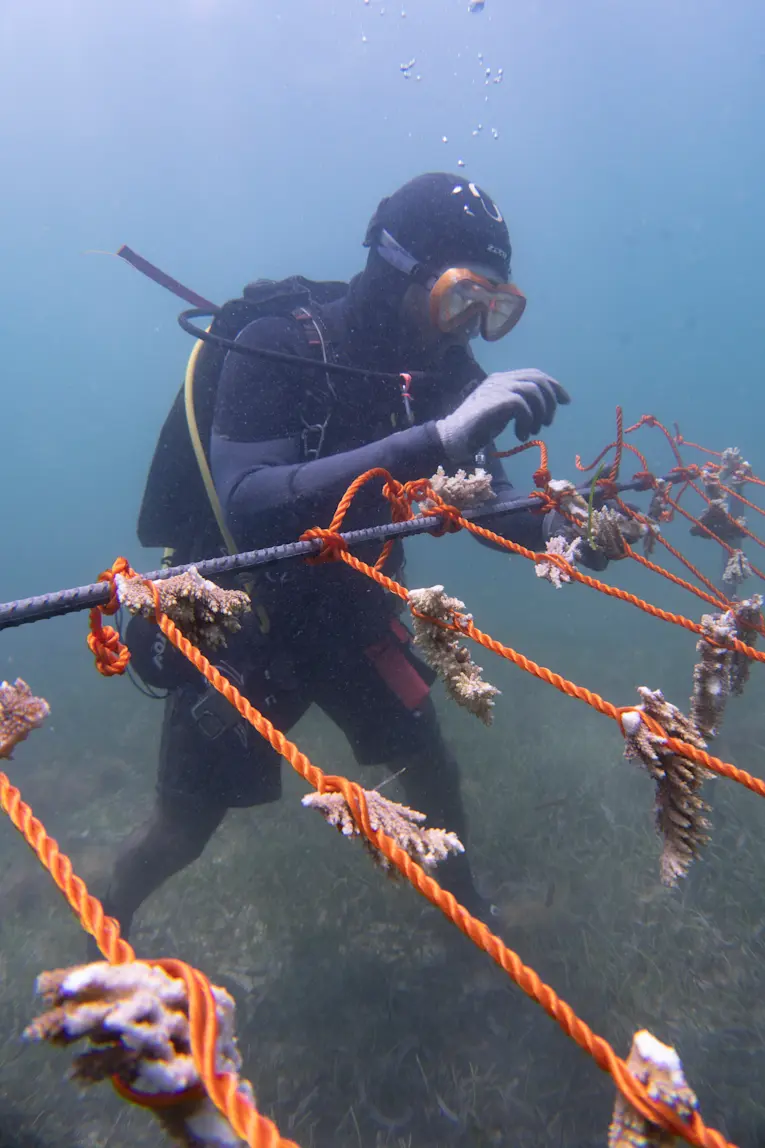
During a two-week field mission in Ranobe Bay, Madagascar, Coralive and Reef Doctor joined forces to restore the southwest coast's vital marine ecosystem. 12 nurseries were completed and stocked with 5,787 fragments representing 9 key reef-building species.
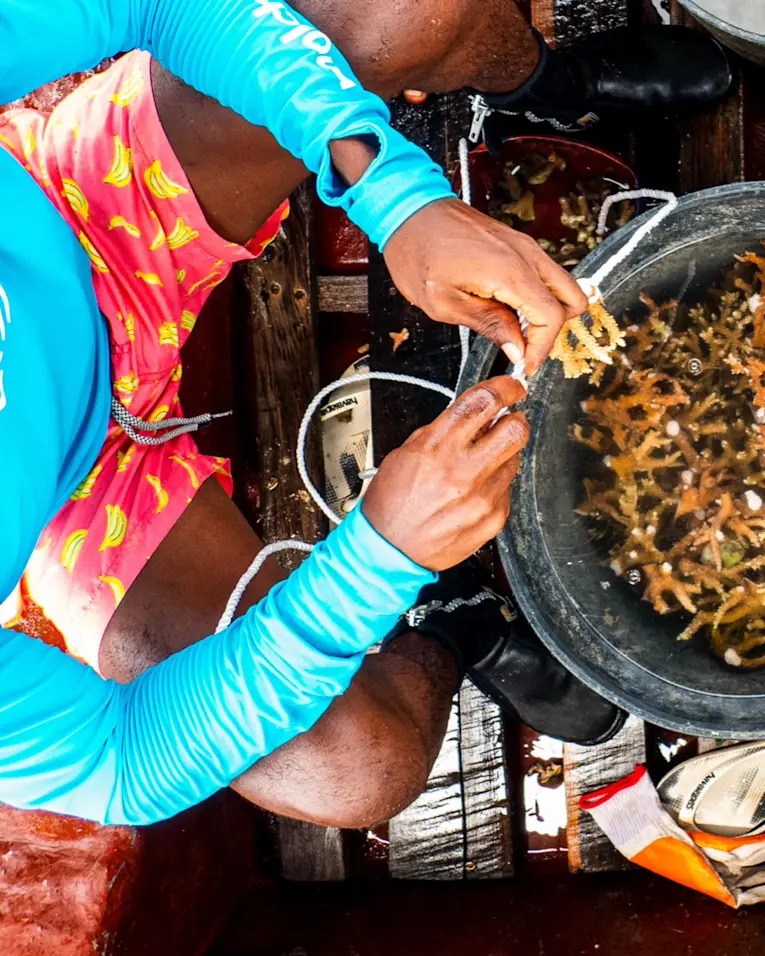
The Beach Management Unit has benefitted from Coralive's input and expertise, aiding in the deployment of the new coral fragments. Photo credits: Dzivula Gabe
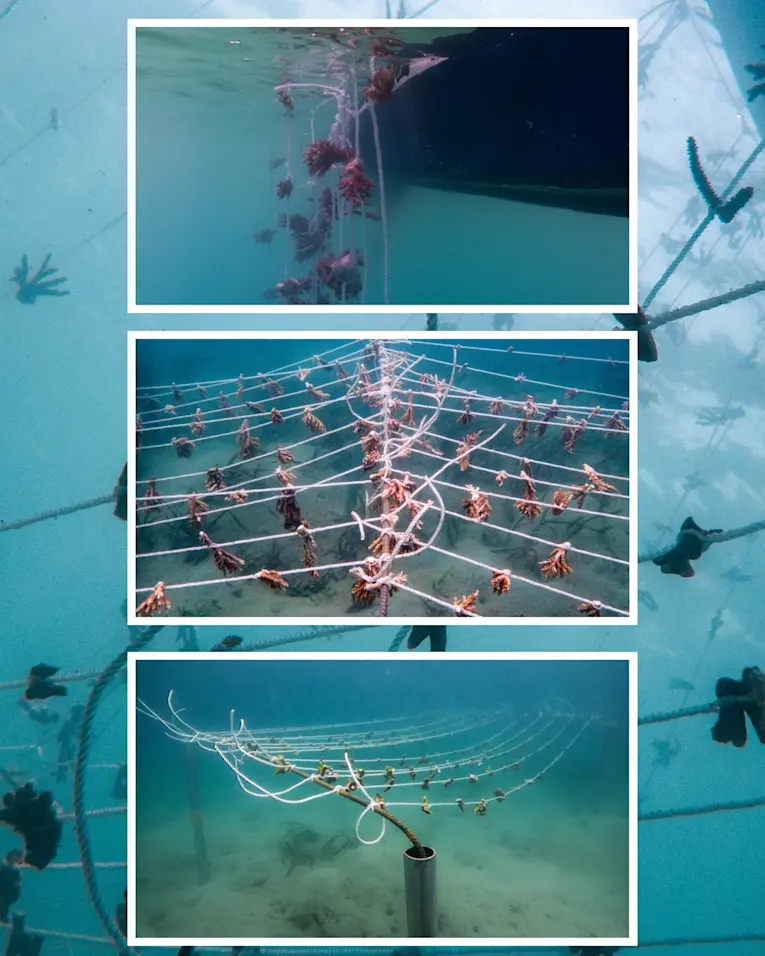
Donor coral fragments are placed within the strands of nylon rope, where they can be hung above the seafloor on metal frames, similar to a washing line.
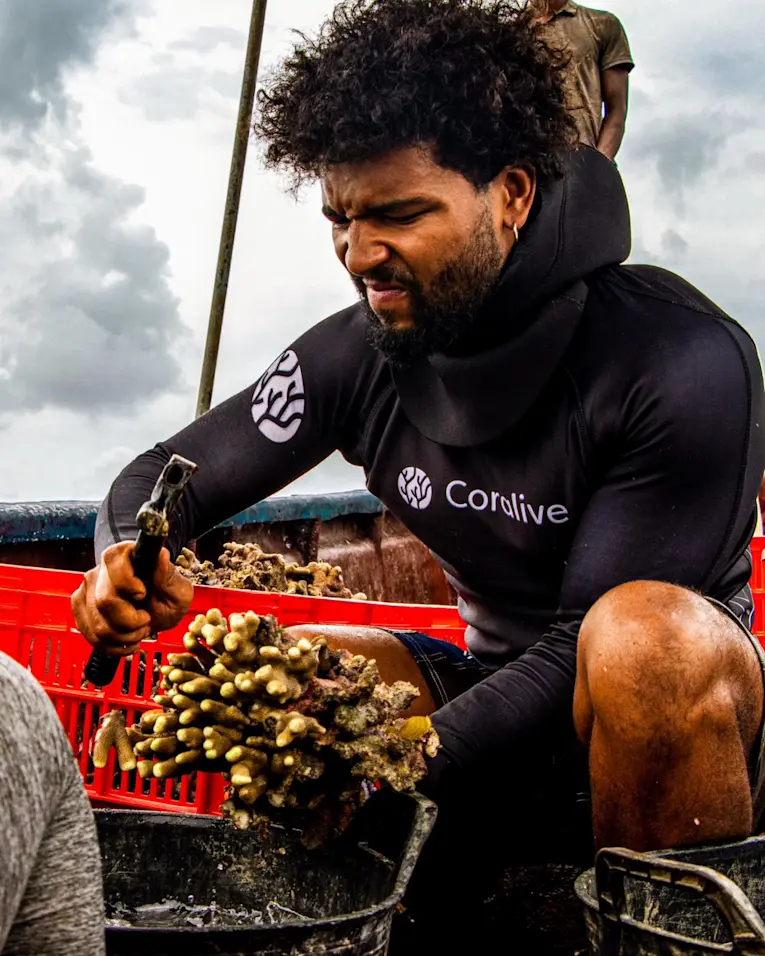
Corals accrete for themselves a hard calcareous skeleton - Tobbias is fighting the rigid skeletal structure to break off smaller pieces for the nursery - this is known as 'coral propagation'. Photo credits: Dzivula Gabe
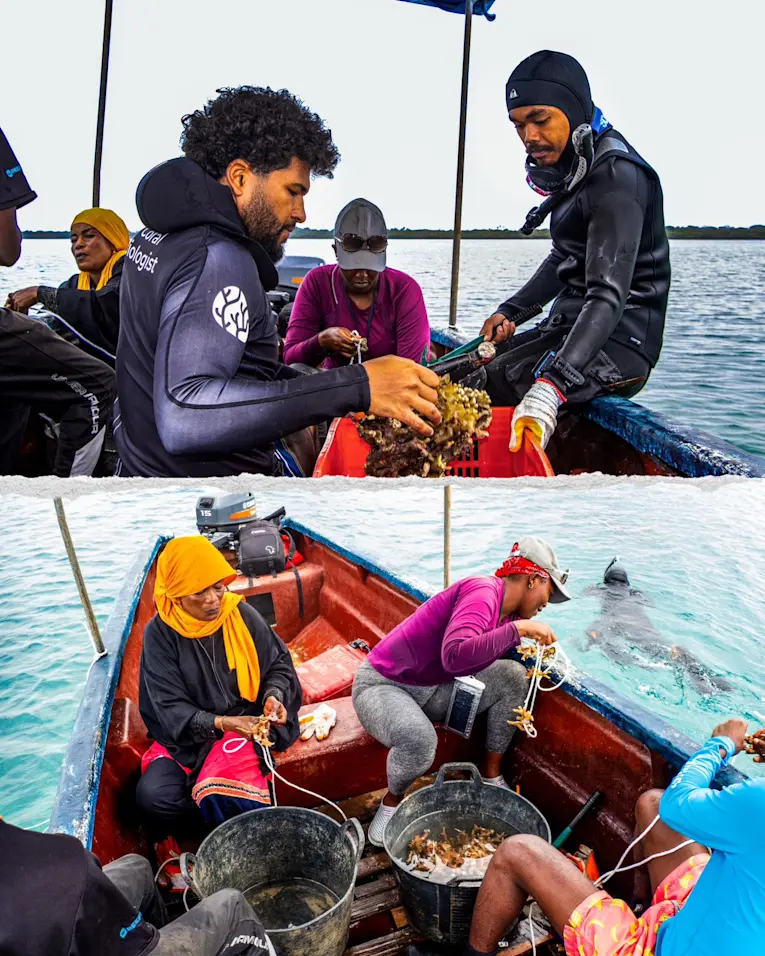
Biologists, Tobbias and Jonathan, fragmenting donor coral colonies into small workable pieces destined for a new coral nursery. Photo credits: Dzivula Gabe
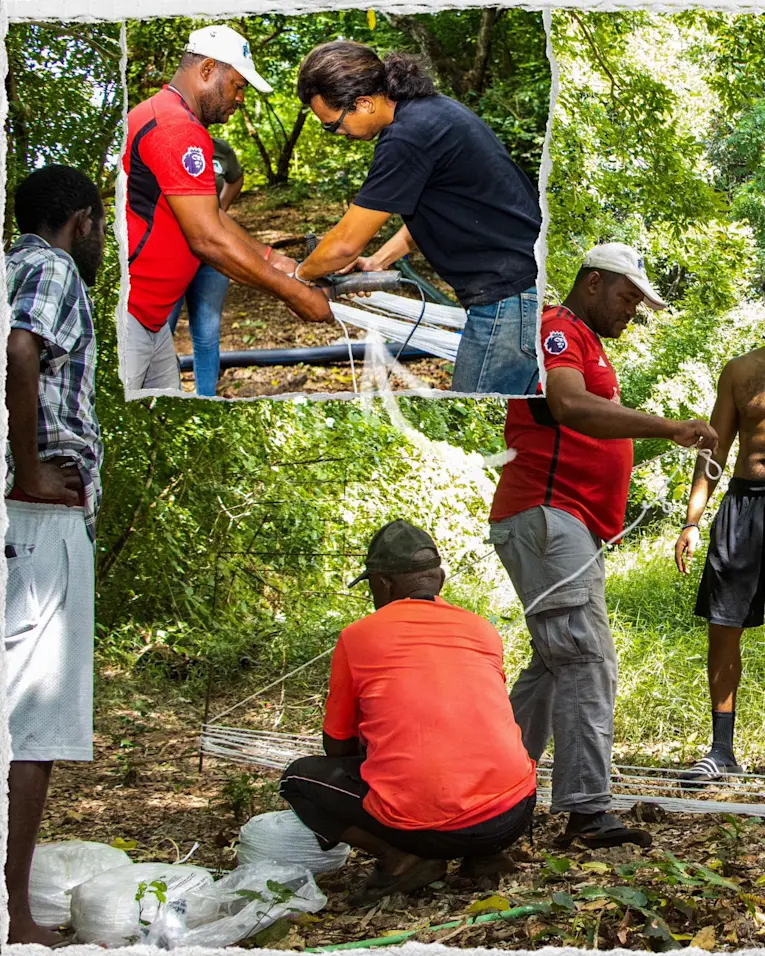
In this new chapter, the Coralive team travels to Kenya to implement 5 ropes nurseries in collaboration with the Beach Management Unit (BMU) of Wasini Island to support their restoration efforts. Photo Credits: Dzivula Gabe
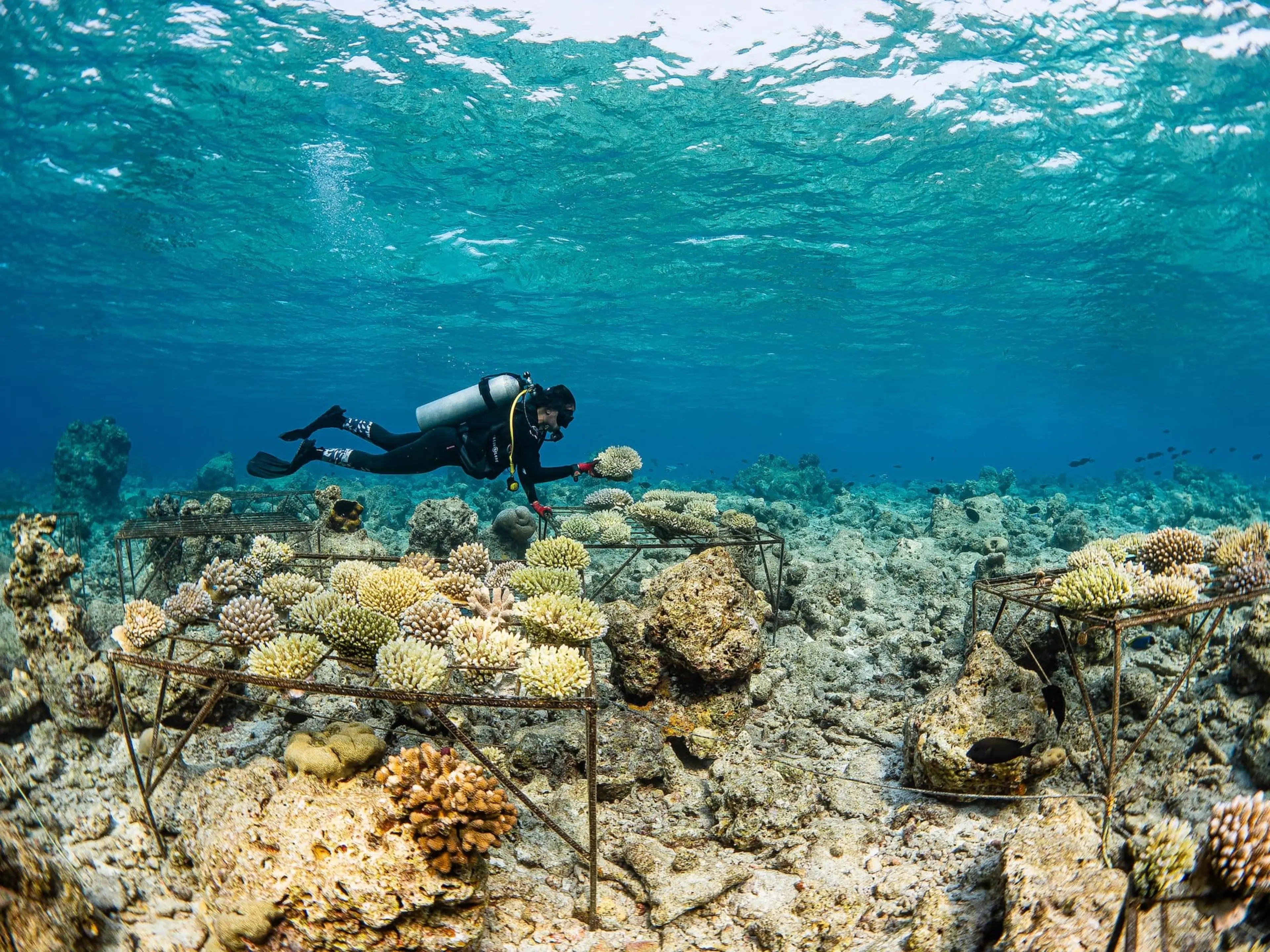
Have a look at our underwater work. At the coral nursery on Fregate Island in the Seychelles, we use metal structures that have accumulated limestone with the help of the Mineral Accretion Technology. This way, coral attach and grow better as well as show better survival rates, so we can place complete overgrown coral structures and create instant habitats in degraded areas.
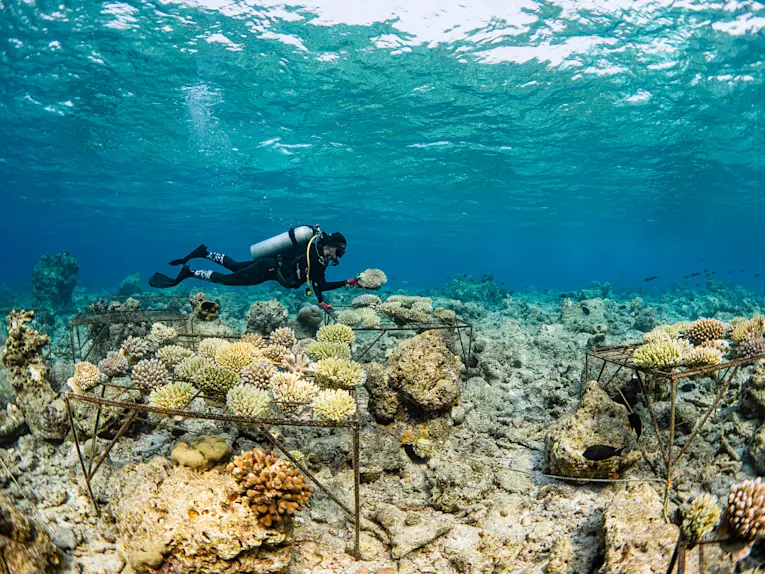
Running a large scale coral nursery requires lots of hours underwater for maintenance. Our volunteers and interns help with cleaning, attaching coral fragments and keeping an eye out for predators.
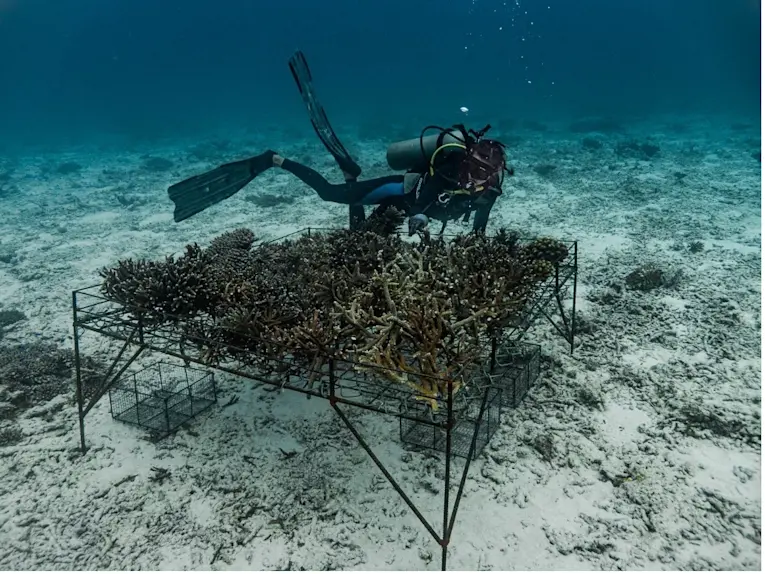
Propagating corals requires a brood stock, usually corals of opportunity that had been broken off by wave action. Anna Zora, the environmental manager at Fregate Island, Seychelles is preparing corals to be attached on our nursery tables.
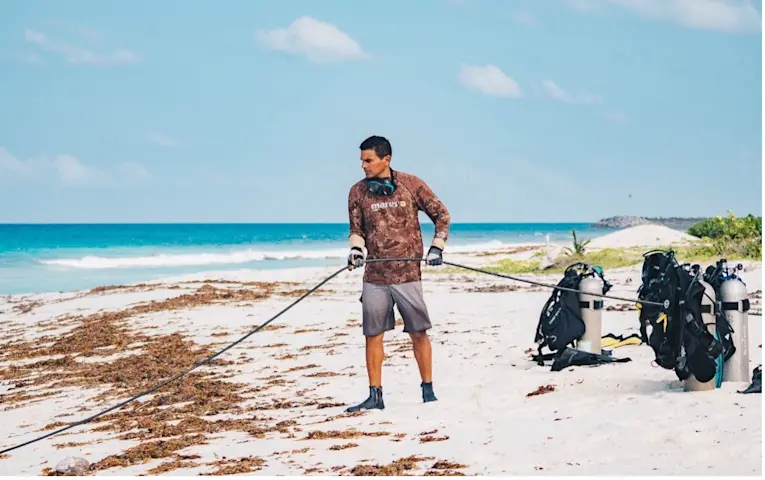
Marcus is usually our boat captain at the project on Fregate Island in the Seychelles, but he never wastes a minute to support us wherever he can. This time, he helped deploying an electrical cable to power the coral nursery tables with the Mineral Accretion Technology.
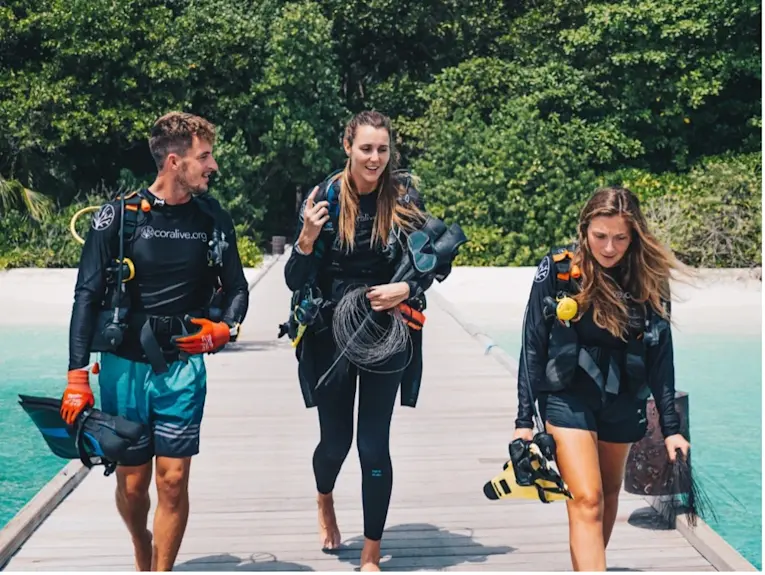
Diving is fun, but diving to restore the marine environment is even better. Matt, Zoe and Morgane are our most experienced Marine Scientists in coral restoration.