Forest Ecosystem Restoration - Andes
Developing large-scale forest restoration partnerships with local communities
Developing large-scale forest ecosystem restoration partnerships with local leaders and communities, which are essential for climate resilience and the protection of biodiversity, water, and livelihoods.
Action feed
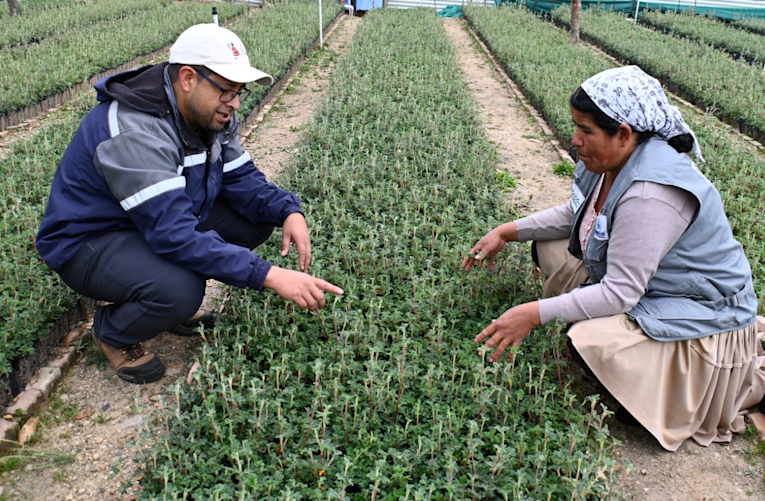
Tunari programme coordinator Omar Oporto, along with community member Pascuala Nogales. Photo credit: Armonía
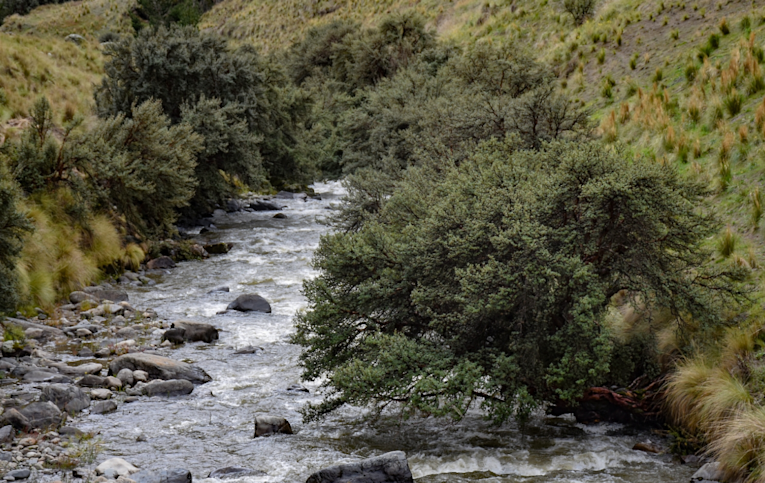
A row of kewiña trees along the riverbank in the community of Chiaraje, located on the northern slope of Tunari National Park. Photo credit: Faunagua
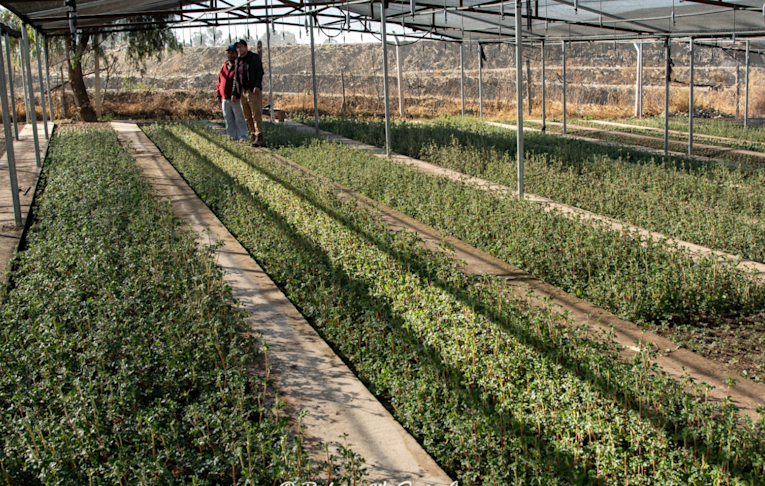
One of the nurseries of the Armonía association, where they cultivate kewiña seedlings. Photo credit: Armonía
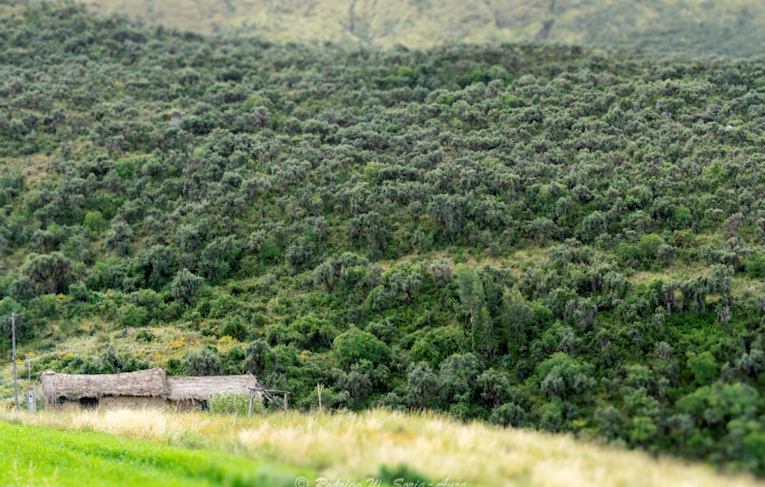
A forest of kewiña trees on the southern slope of Tunari National Park. Photo credit: Armonía
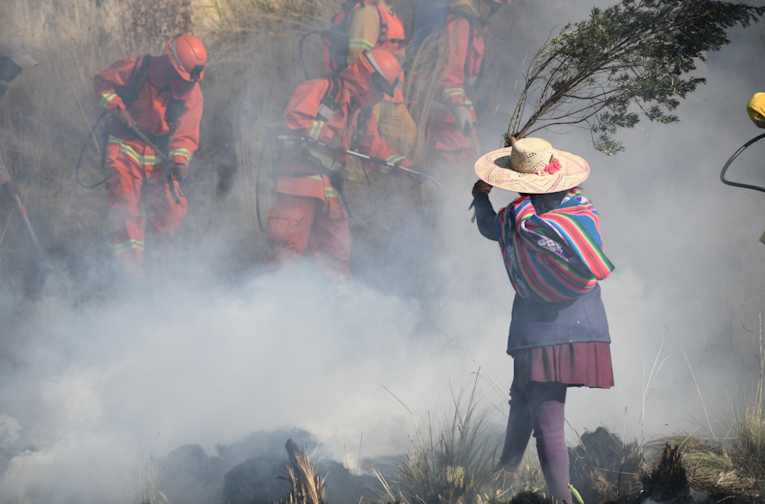
A Quechua community member, part of the Tunari programme, during a training session on forest fire response. Photo credit: Daniela Aguirre
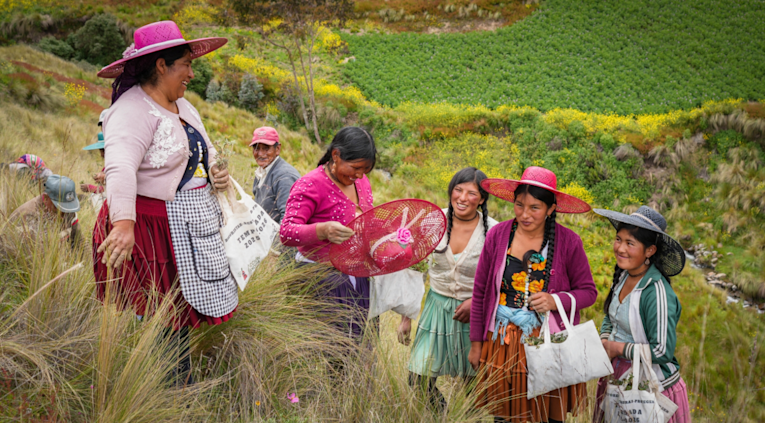
Quechua women are reforesting Bolivia's Tunari National Park, helping protect one of the region's most important water sources. More than 1.7 million native kewiña trees have been planted, with survival rates exceeding 80%. Photo credit: Faunagua
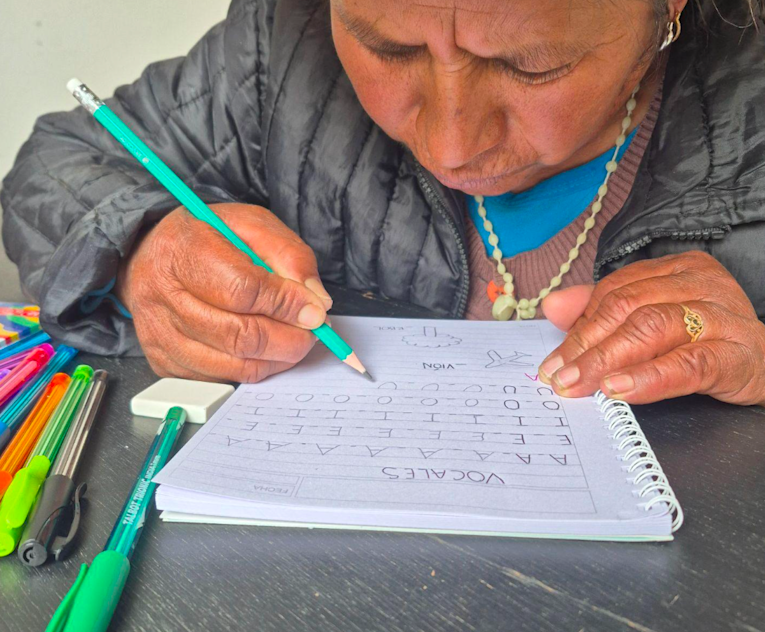
A literacy class supporting women in community-led restoration in Puna, Argentina. Credit Arbol y Vida
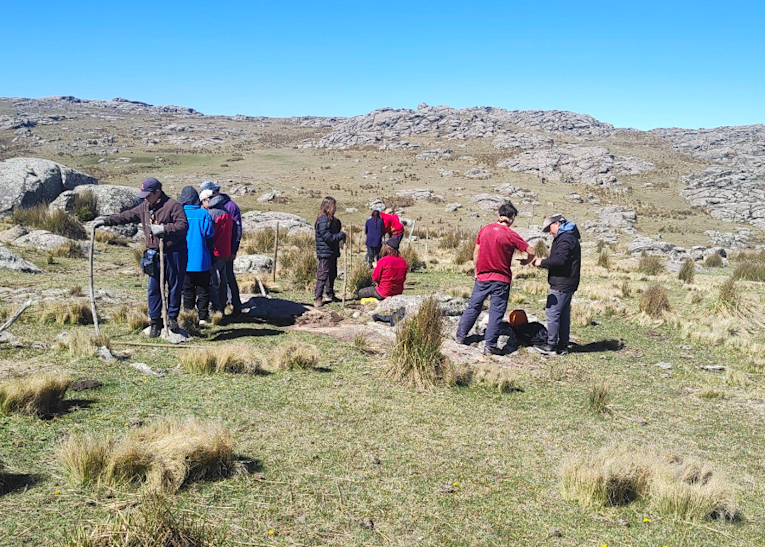
Despite severe intentional fires historically used to clear land, Fundacion Bosquizar has successfully engaged local youth groups like the Arcani Scouts to maintain 68 km of fencing and fire lines. This infrastructure acts as a primary defense, protecting restored forests from the recurring threat of fire.
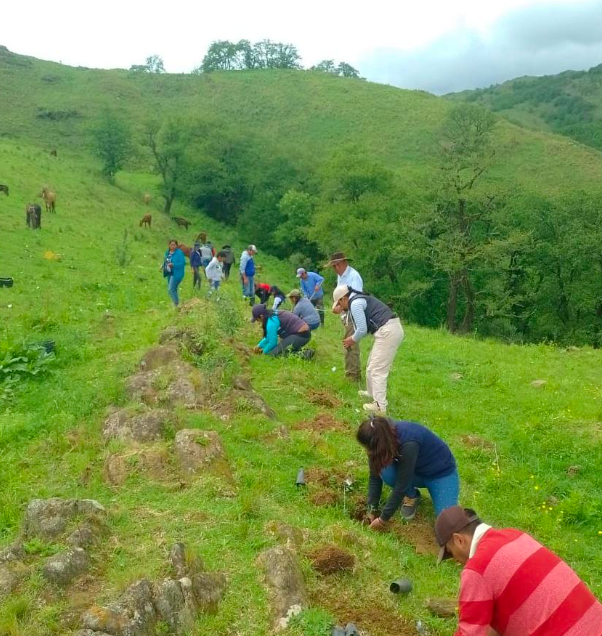
In Tafi del Valle, community planting days included families who began the project two years ago and returned with their children. Yael, now five, first came to the nursery in his father’s arms; today he plants alongside him.
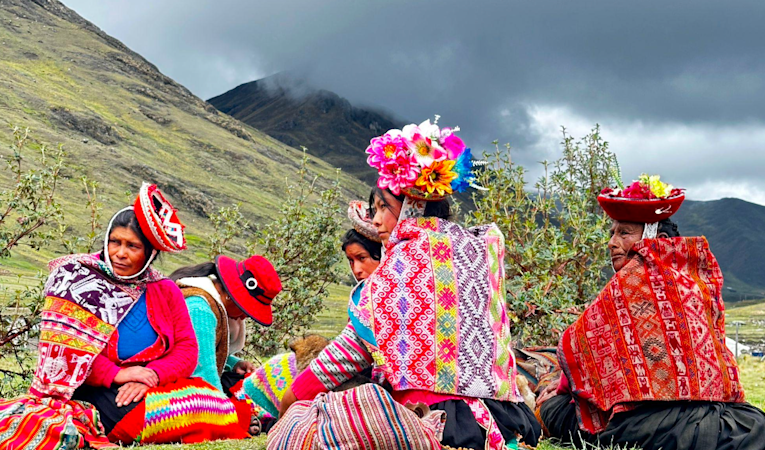
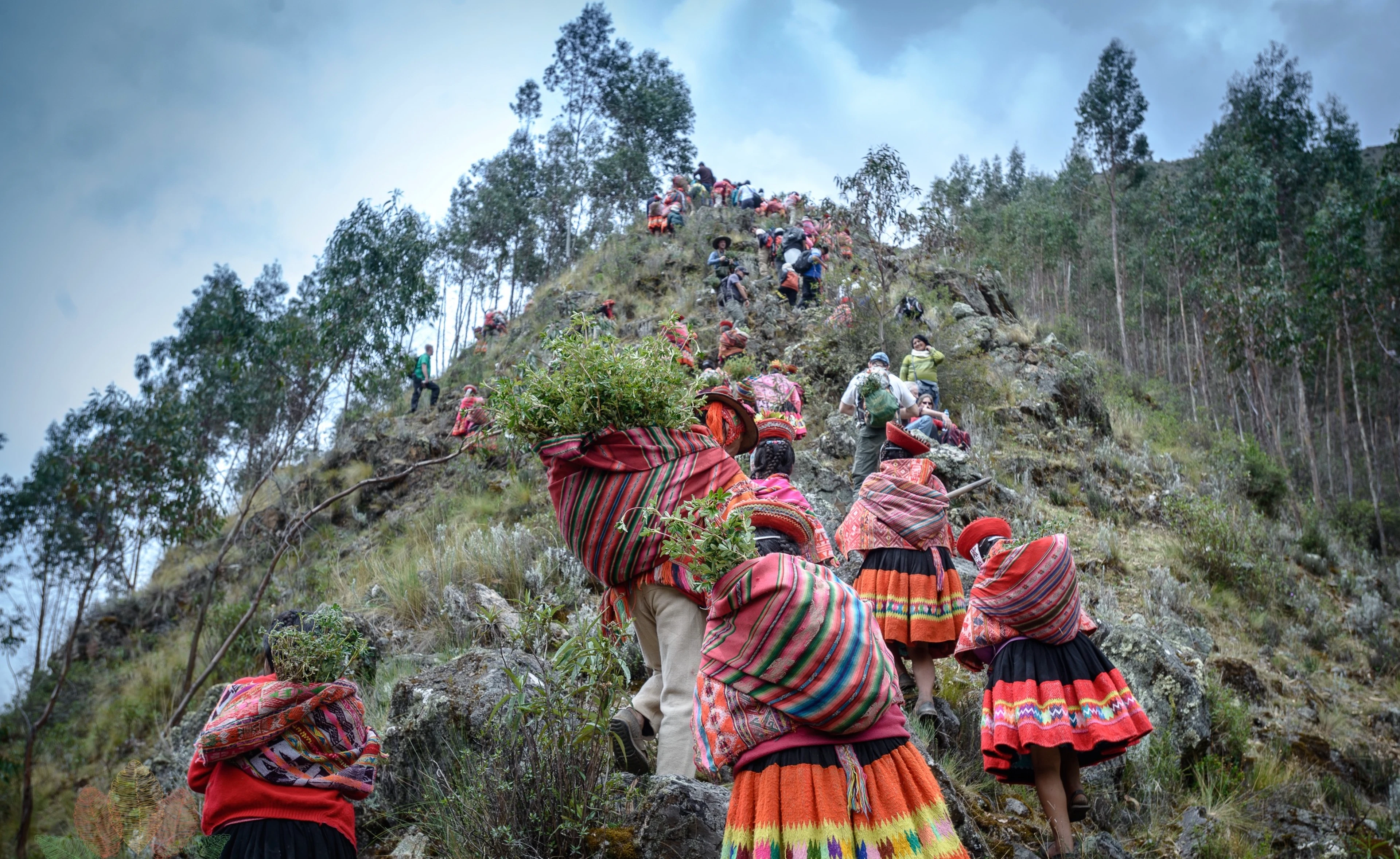
Queuna Raymi, an annual massive tree-planting festival inspired by ancient Incan traditions of collective work is underway. More than 20 Indigenous communities come together to plant native saplings.
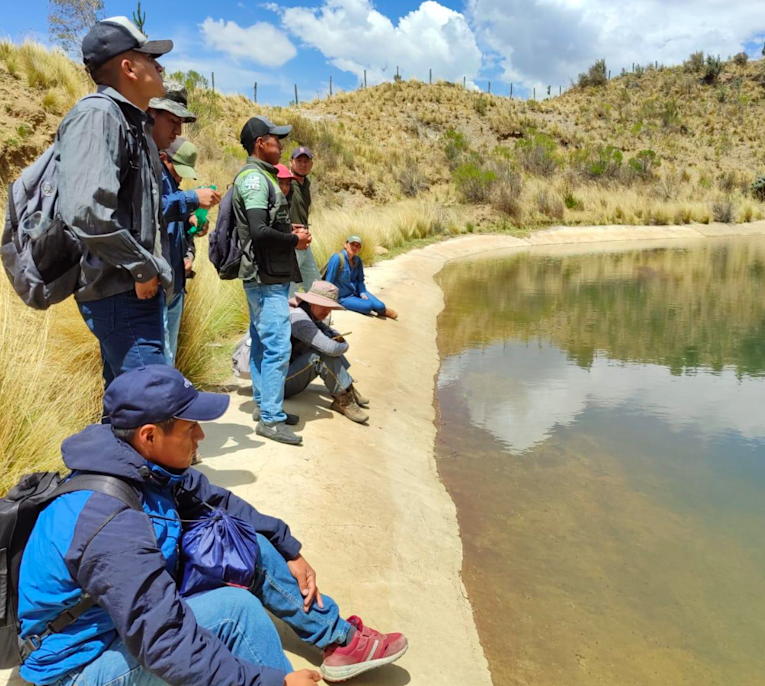
New reservoir in La Aguada, Tunari Park, Bolivia. Credit: Armonia
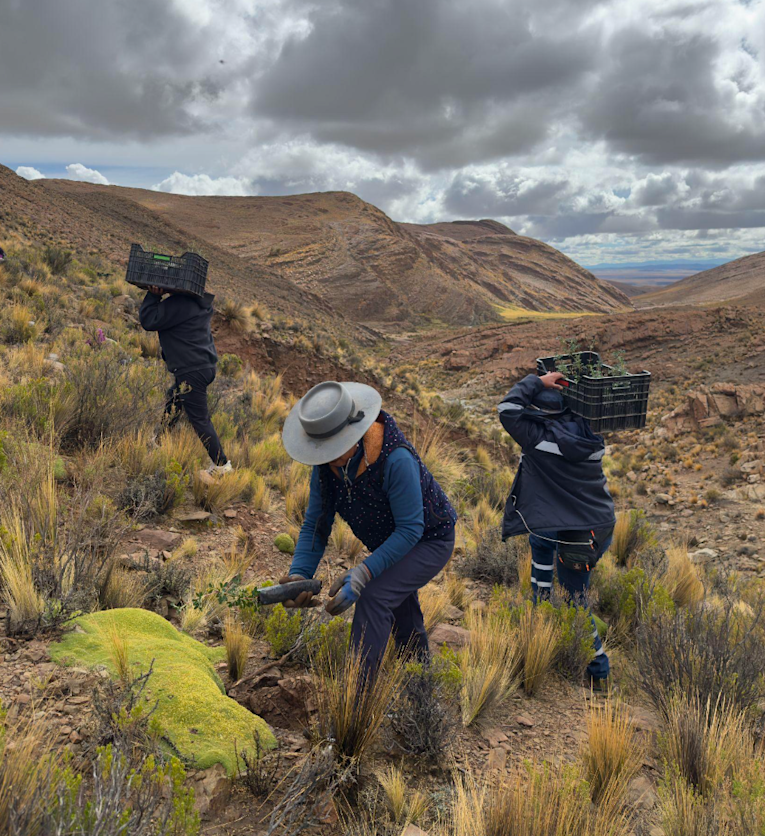
Reforesting in Santa Catalina in November 2025. Credit: Arbol y Vida
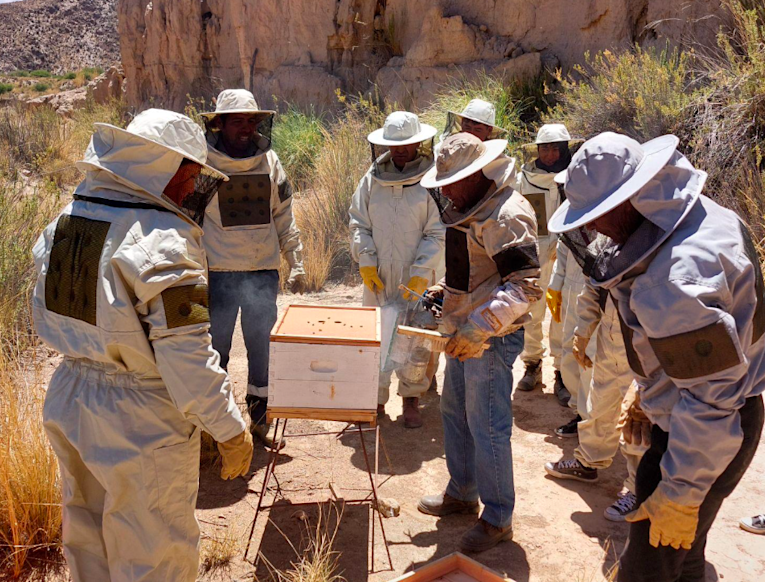
23 beehives were distributed to 20 families in Papachacra, Sala Huayco, and La Tranca communities, creating a new source of income.
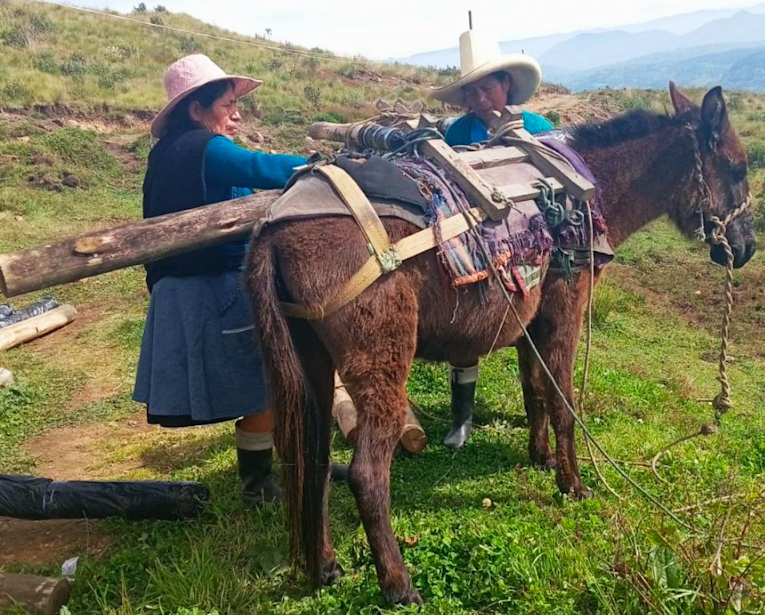
Women in Cajamarca carrying fencing materials on horseback. Credit: ECOAN
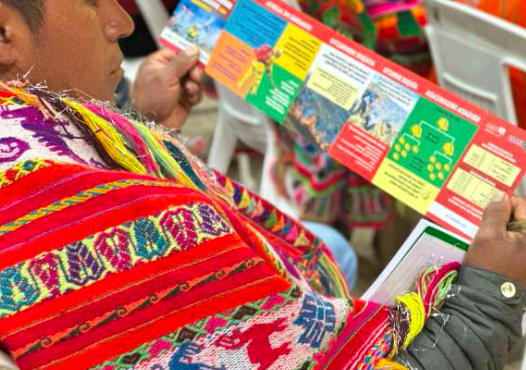
Teaching materials used in forest fires prevention and management training sessions in Vilcanota, Peru.
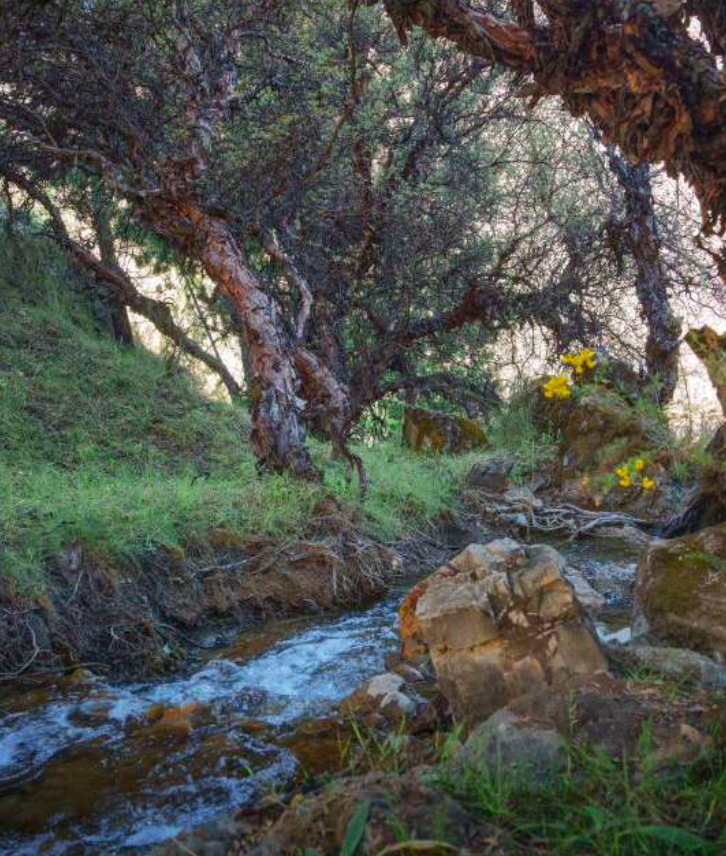
Acción Andina primarily focuses on Polylepsis trees. This tree genus is essential to long-term water security for the continent.
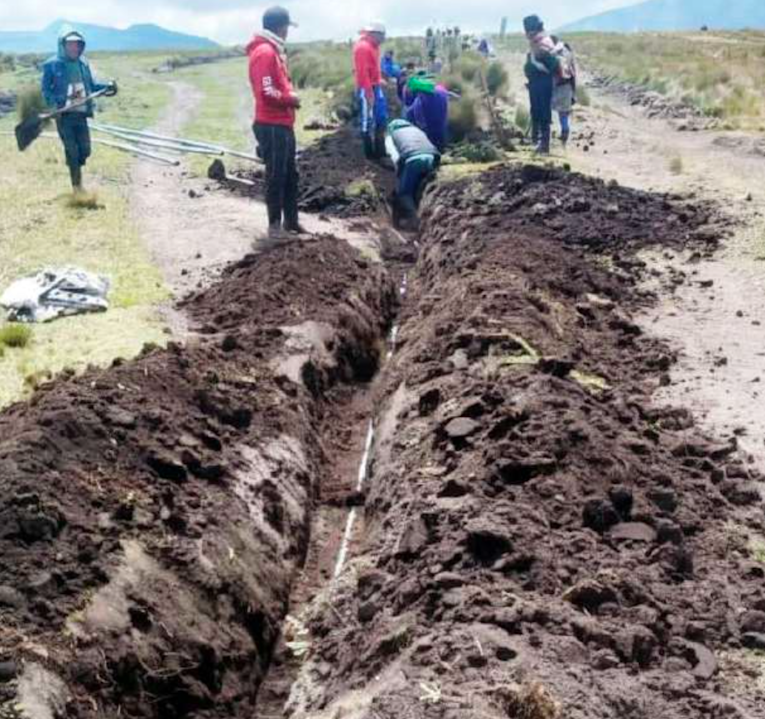
Fundación Incana has provided the Cunugyacu community with 500 pressure tubes for an improved drinking water system.
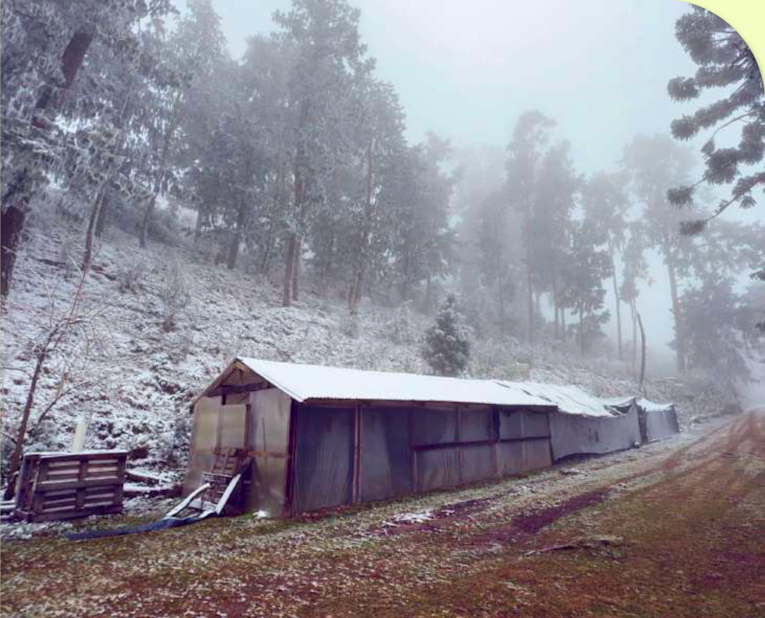
Despite sudden frosts in Yala in Jujuy, Argentina, Acción Andina partner Árbol y Vida has managed to keep seedlings safe and warm in the nursery.
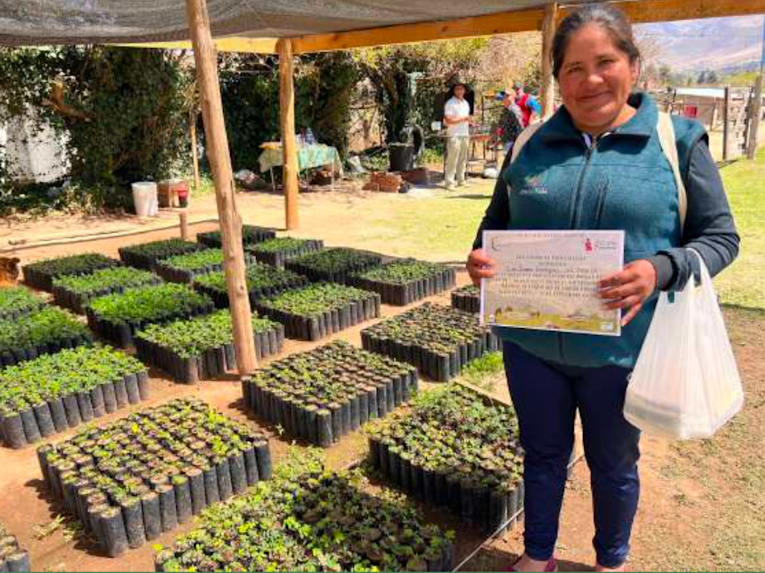
Fundación Bosquizar held its first participatory workshop on environmental and cultural tourism in Jujuy, Argentina.
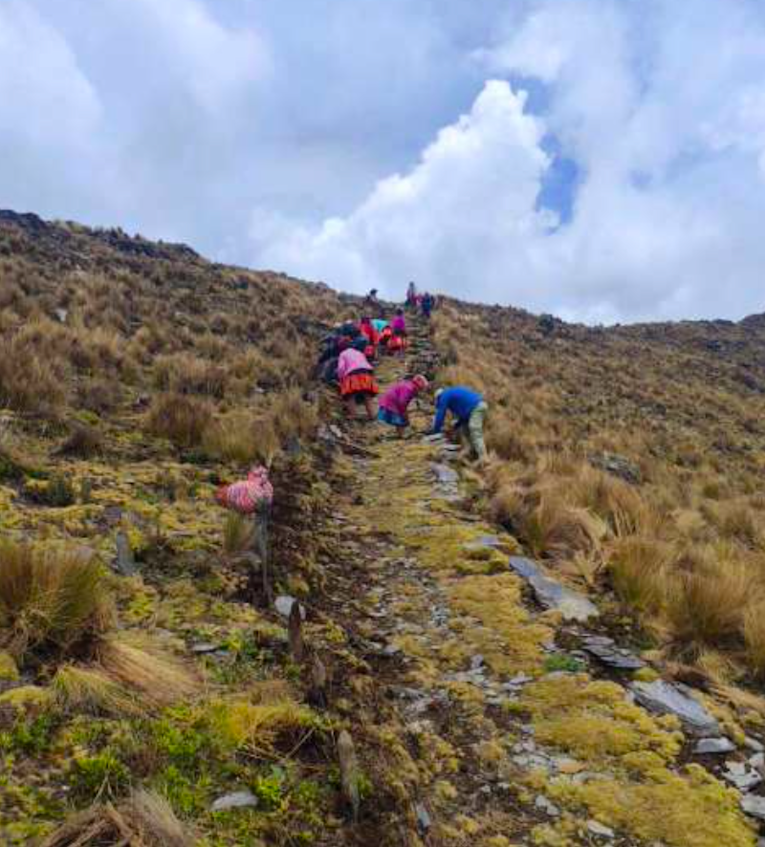
Acción Andina partner ECOAN links conservation with ecotourism by maintaining and cleaning the scenic Vilcanota Trek routes, helping communities provide tourism services, and generating communal income.