Greenhouse Gas Destruction
Collection and destruction of refrigerants and potent non-CO2 greenhouse gases (GHGs)
This project exists to improve the environment by collecting, controlling, and destroying refrigerants and halon fire suppressants, which are potent non-CO2 greenhouse gases (GHGs), some of which deplete the ozone layer. This collective activity seeks to prevent the annual release of at least 3 million tons of CO2 equivalent into the atmosphere and is critical to avoiding climate change. The Montreal Protocol effectively banned new production of ozone-depleting substances, but large volumes were produced before the ban, risking re-release into the atmosphere.
Action feed
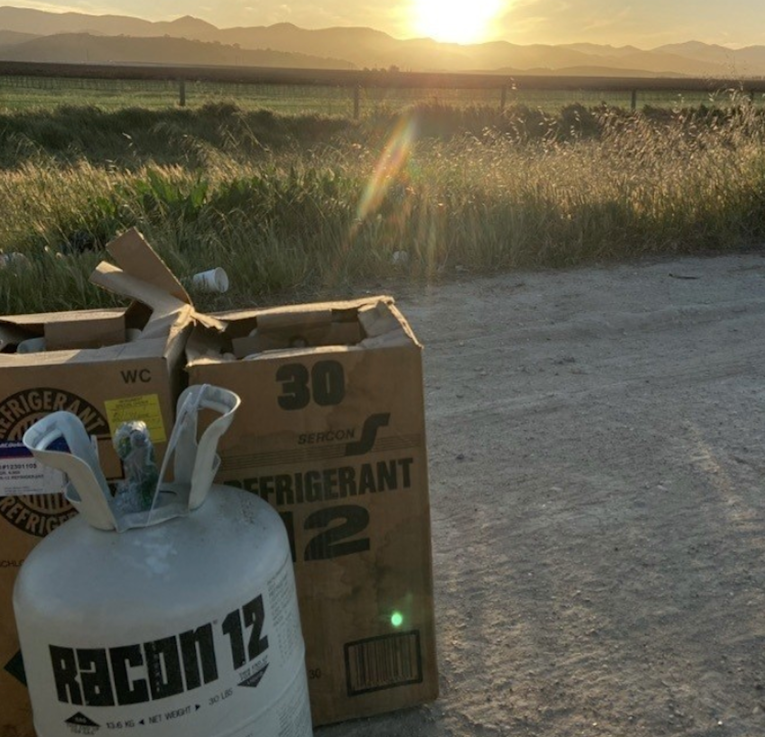
Picture of an R-12 canister in a rural region by Tradewater employees. The canisters were then safely transported to the Tradewater warehouse in Chicago. Photo credit: Tradewater
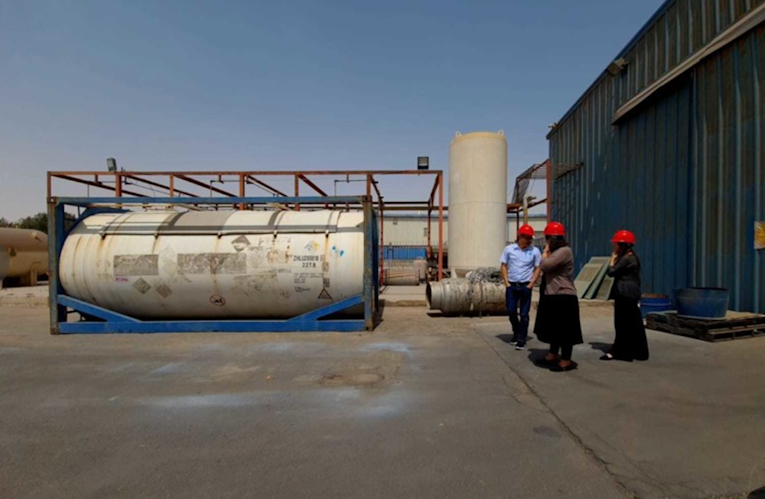
Tradewater team visiting an international destruction facility. Photo credit: Tradewater
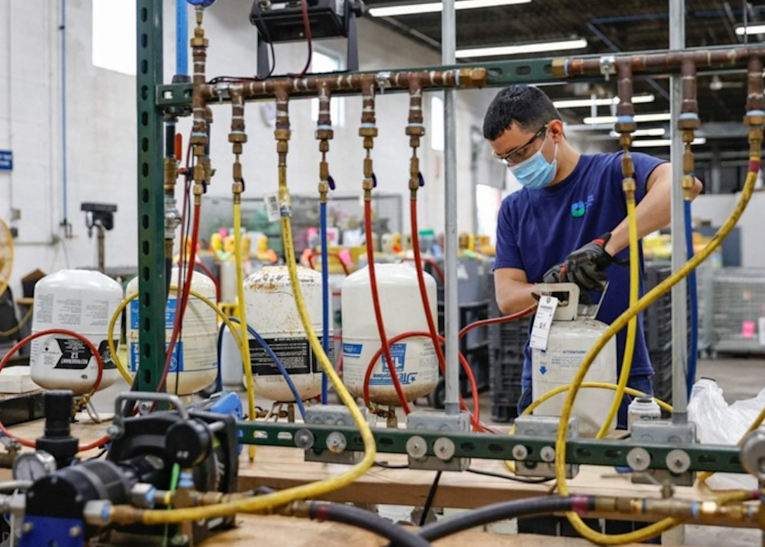
Tradewater employee testing a refrigerant gas tank in the Chicago warehouse. Photo credit: Tradewater
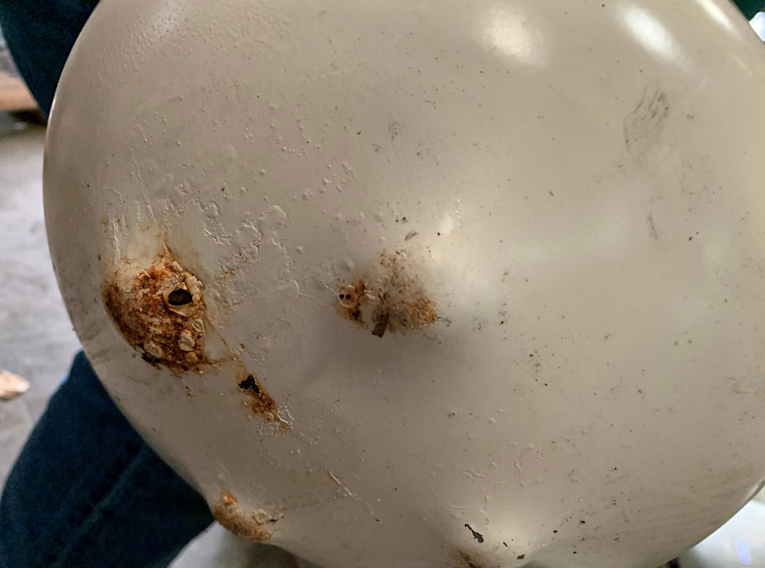
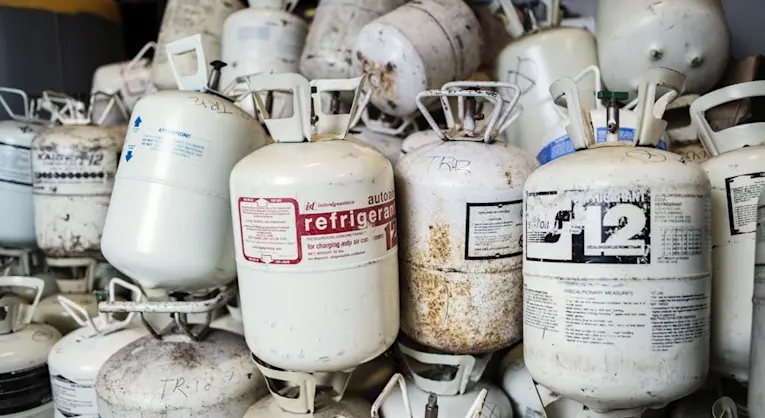
Rusted canister that previously contained gas, now fully leaked into the atmosphere.
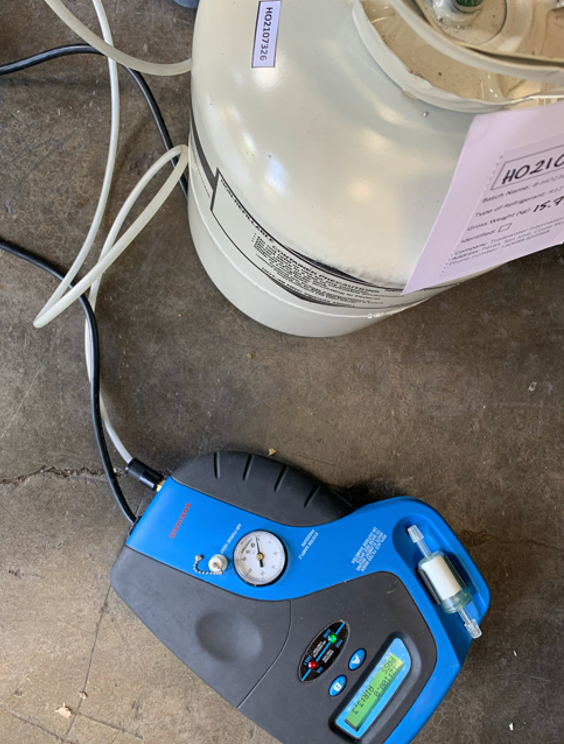
Refrigerant canister being tested for gas content.
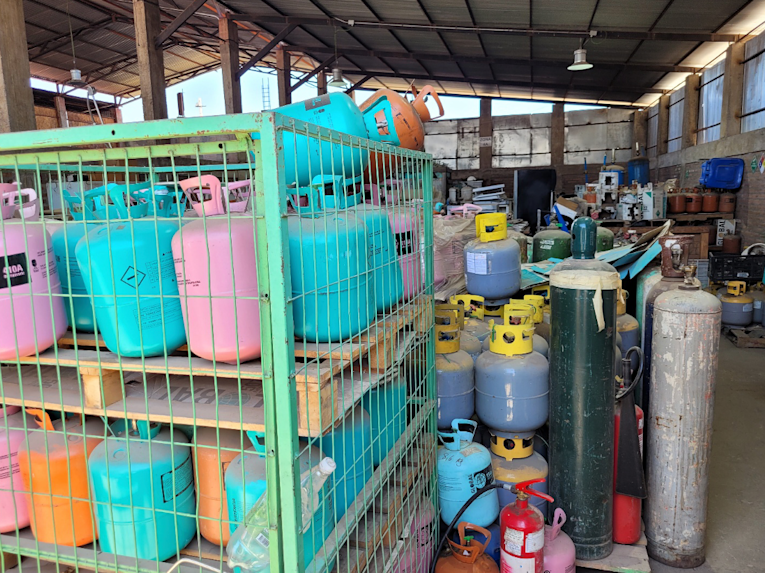
Refrigerant stockpile found in an international warehouse.
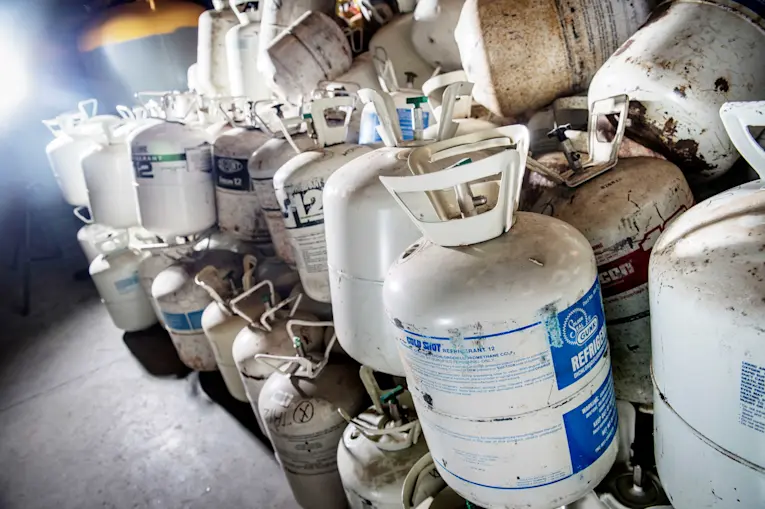
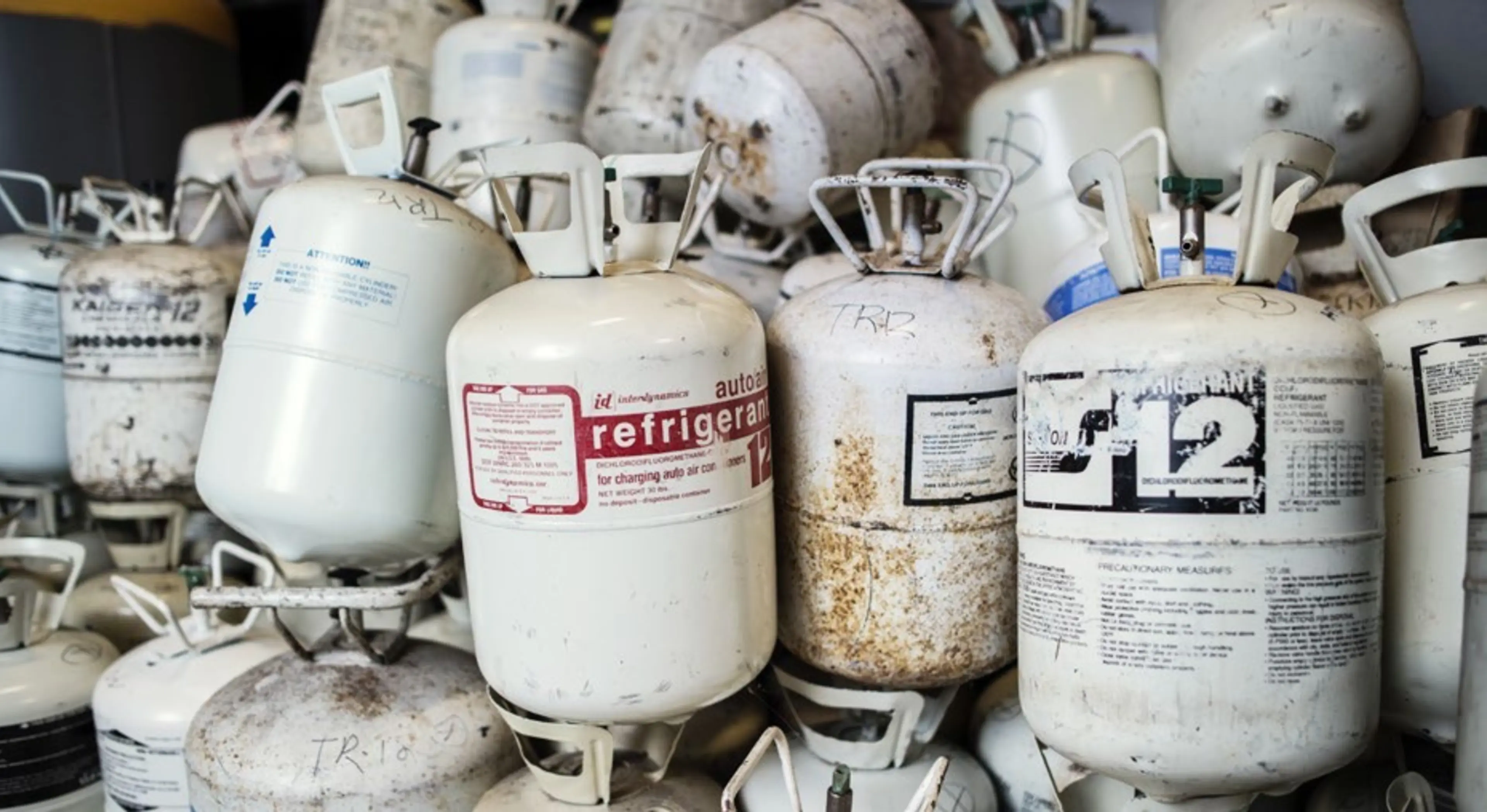
Discarded refrigerants
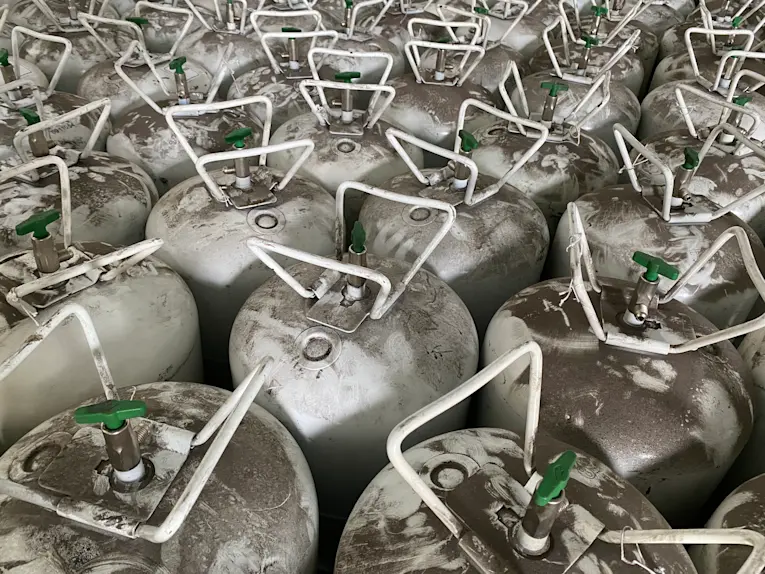
Tradewater has reached a major milestone, permanently preventing 10.62 million tons of CO₂ equivalent from entering the atmosphere through their halocarbon (super pollutant destruction) and methane well capping projects.
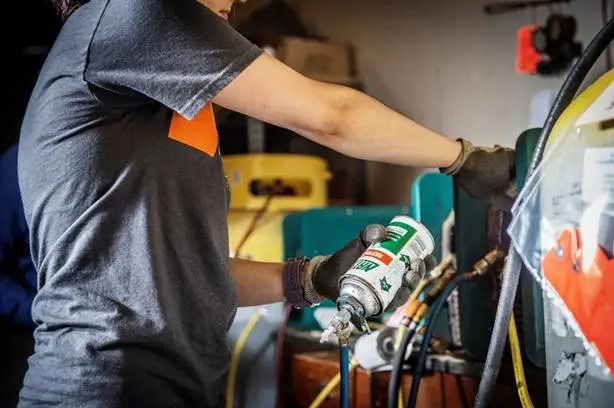
Tradewater staff member emptying refrigerant canister collected through our mail-in program.
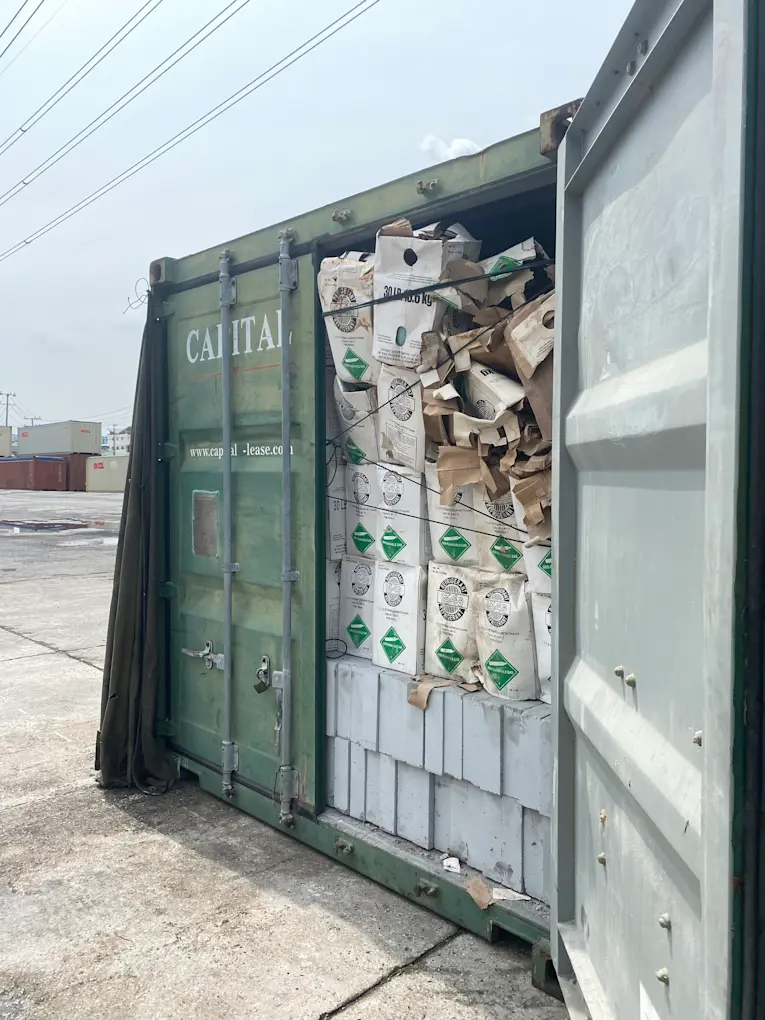
Shipping container full of refrigerant cylinders at Thailand Custom's storage facility
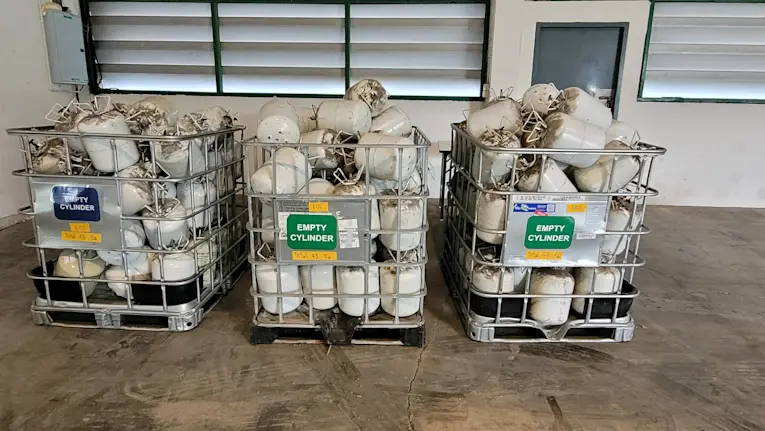
Refrigerant cylinders after being emptied
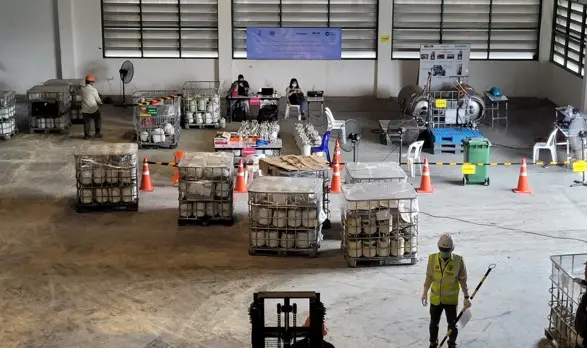
Full warehouse of refrigerants cylinders being sorted after being emptied
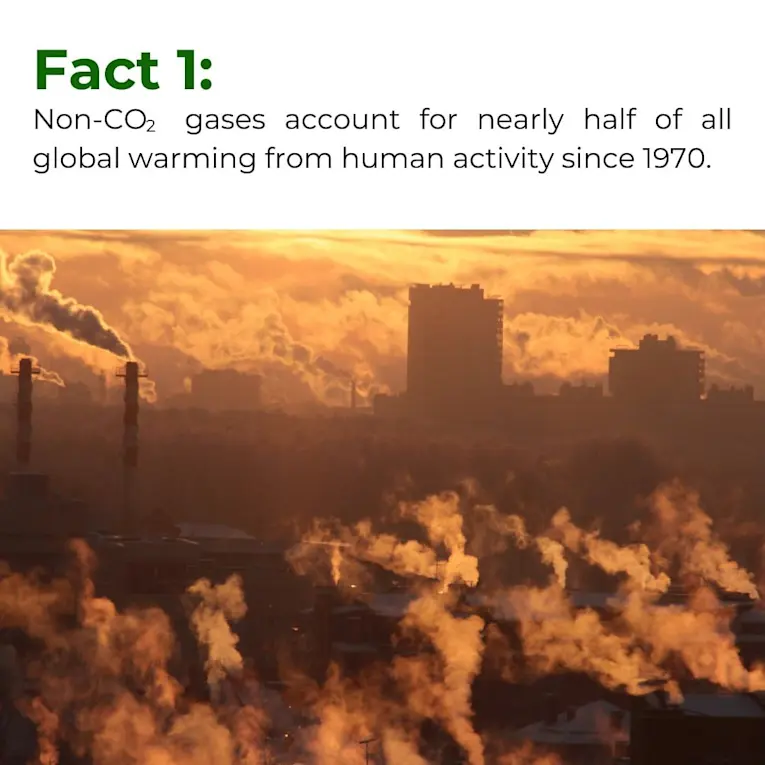
You may have been hearing the term non-CO2 gases more these days, and for good reason. These short-lived climate pollutants can be more than 10,000 times more potent than CO2 and are playing an outsized role in accelerating climate change. That’s why here at Tradewater, we are working as quickly as possible to prevent emissions of non-CO2 gases all over the world.
This World Ozone Day, we celebrated the Montreal Protocol’s groundbreaking success in protecting the ozone layer and fighting climate change. We extend our deepest thanks to our global partners for their unwavering dedication, which is essential to scaling Tradewater’s Ozone depleting substances destruction efforts. Together, we’ve made incredible progress, but there’s more to be done. Let's continue advancing climate action—for the ozone layer, the climate, and future generations.
Greenhouse Gas Destruction joined Pinwheel!
A bit more about why we do the work we do. Tradewater and our partners are the ONLY ones working on the issue of old refrigerants globally. If we don't do the work, no one else will, and these gases will leak into our atmosphere. Learn more and join our critical fight at tradewater.us.
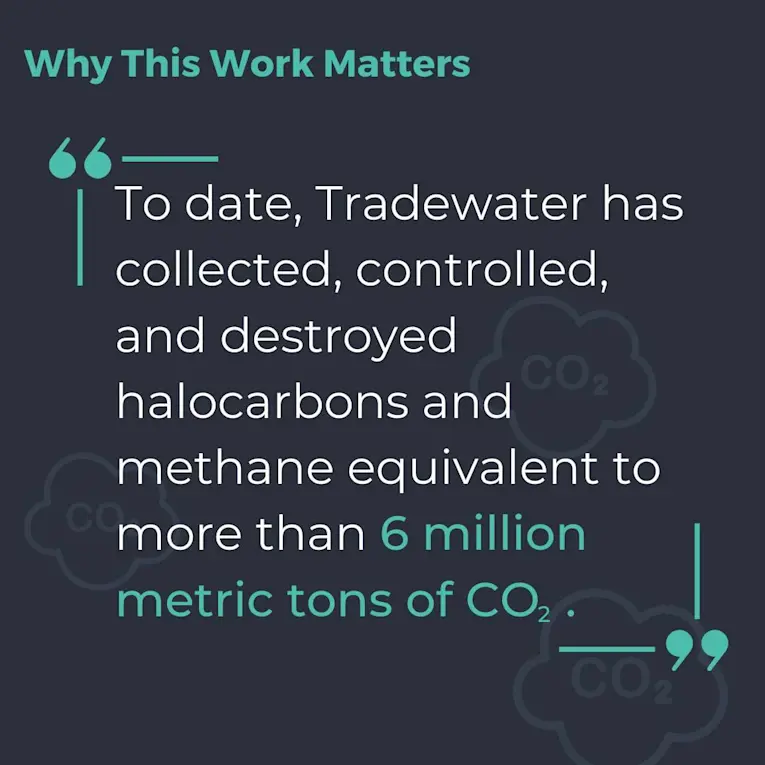
Removal of potent non-C02 greenhouse gas is a crucial third component of limiting global warming to as close to 1.5C as possible, alongside curbing C02 emissions and removing C02 from the atmosphere.
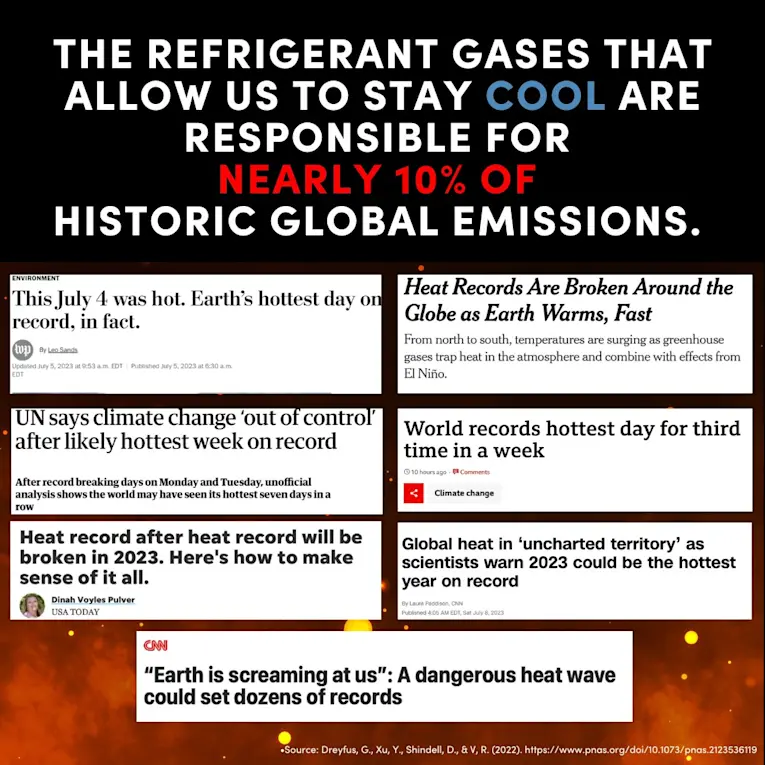
Refrigerants are the cause of nearly 10% of historic #emissions. They leak out of our ACs as we run them. They are improperly handled when we replace our old units. And nobody, anywhere, takes responsibility for their safe destruction of these when we are done using them.
Greenhouse Gas Destruction was verified by Pinwheel