Improved cookstove distribution in Rwanda
Improved cookstoves burning less fuel reducing the burden on women and children
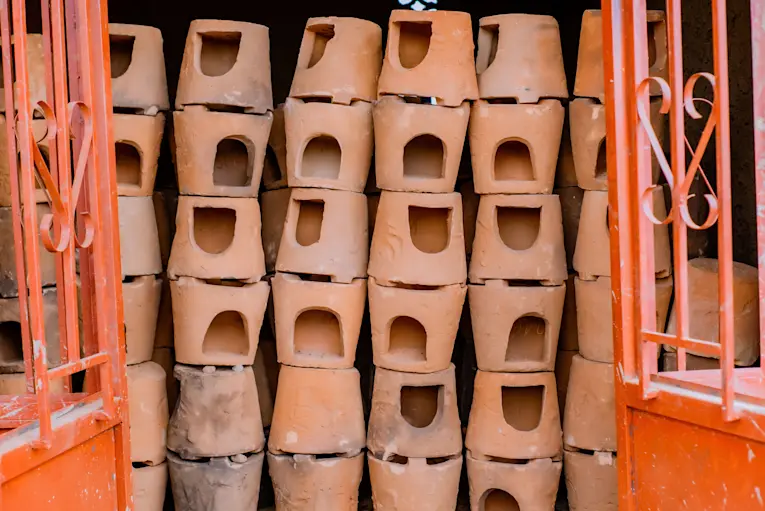
The use of biomass, in particular firewood, holds huge importance in Rwanda and accounts for at least 86% of energy consumption. Wood fuel is in particularly high demand, especially in rural areas where 98% of households rely on wood as their main cooking fuel. Traditionally, families in rural Rwanda cook using a three-stone open fire. This method is inefficient and leads to unsustainable usage of non-renewable biomass, as well as exposing households to hazardous indoor air pollution, putting pressure on the local environment, and placing a burden on those who collect wood fuel, predominantly women and girls.
Action feed
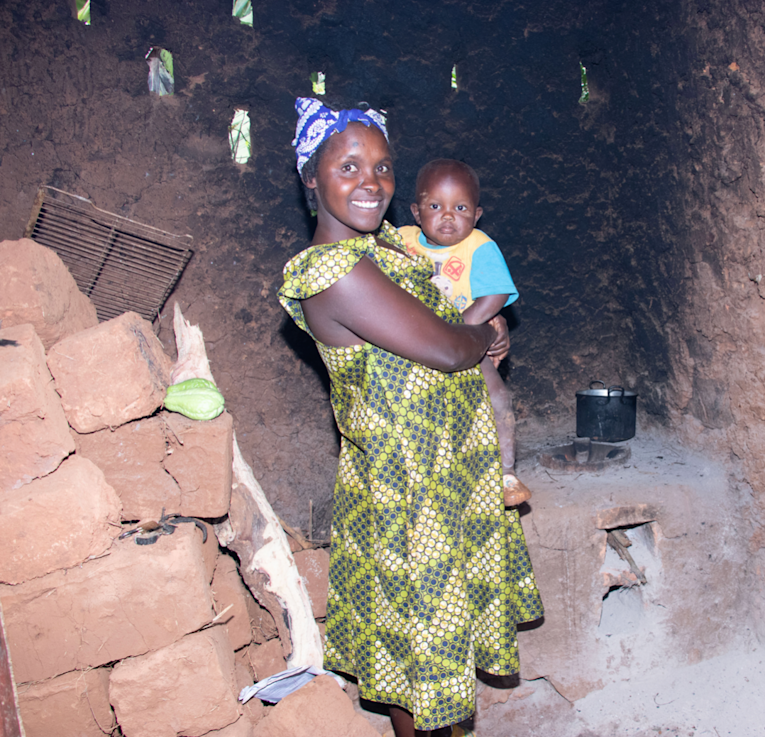
Mother and child with their installed improved cookstove. Photo credit: CO2 Balance
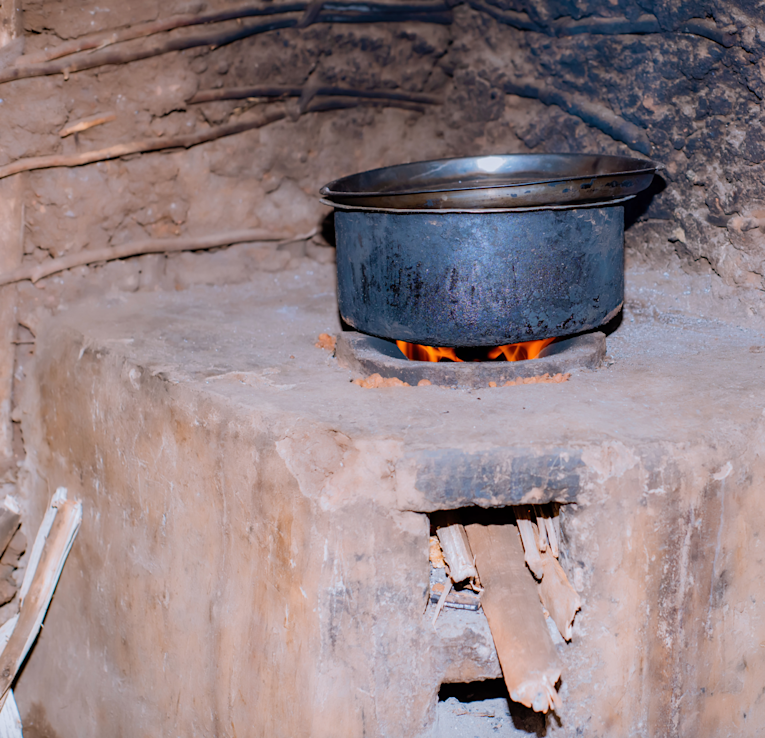
Improved cookstove in use in a home. Photo credit: CO2 Balance
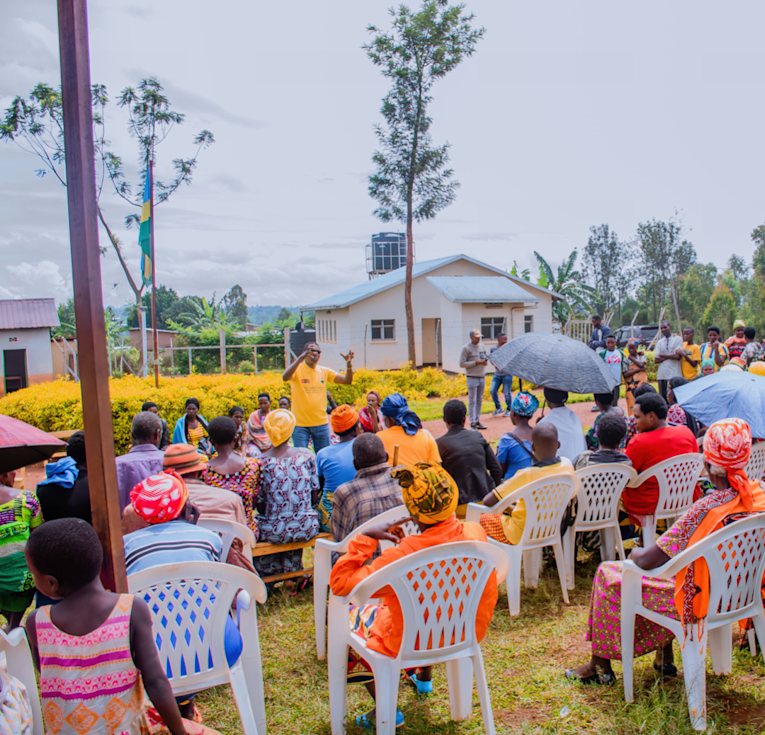
Project field team (Rwanda of Peace and Progress) providing end-user training at the point of distribution. Photo credit: CO2 Balance
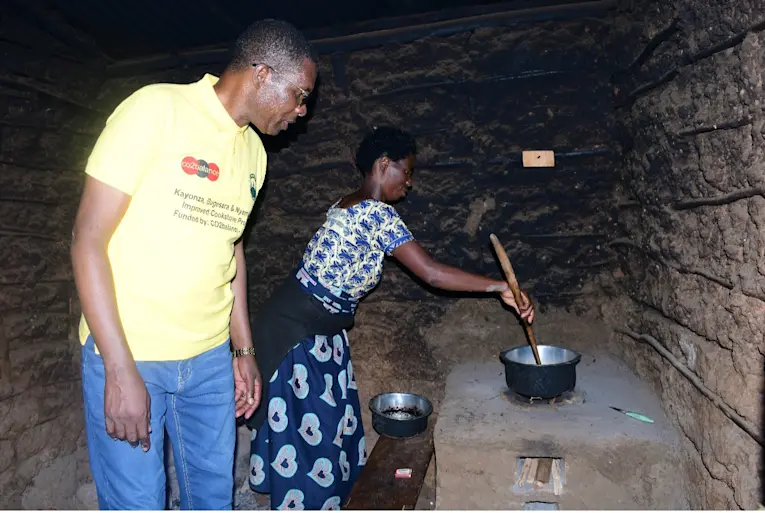
Household in Bugesera cooking a meal on the Canarumwe stove during a household visit from the field team.
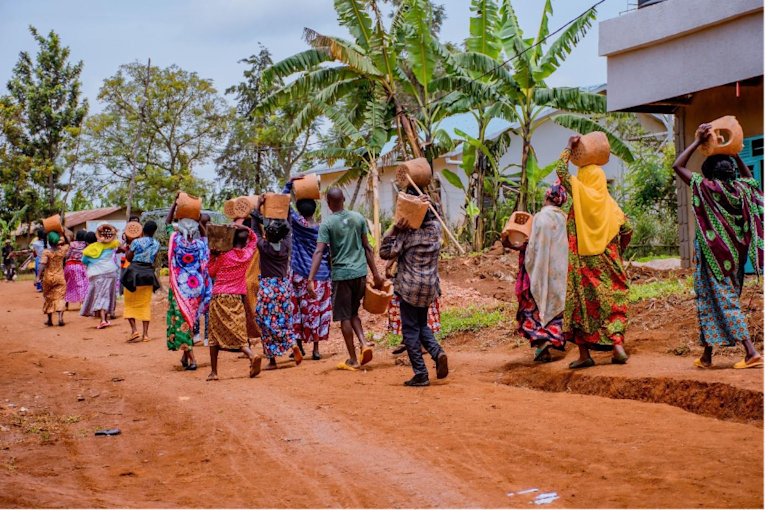
Community carrying the Canarumwe pot inserts.
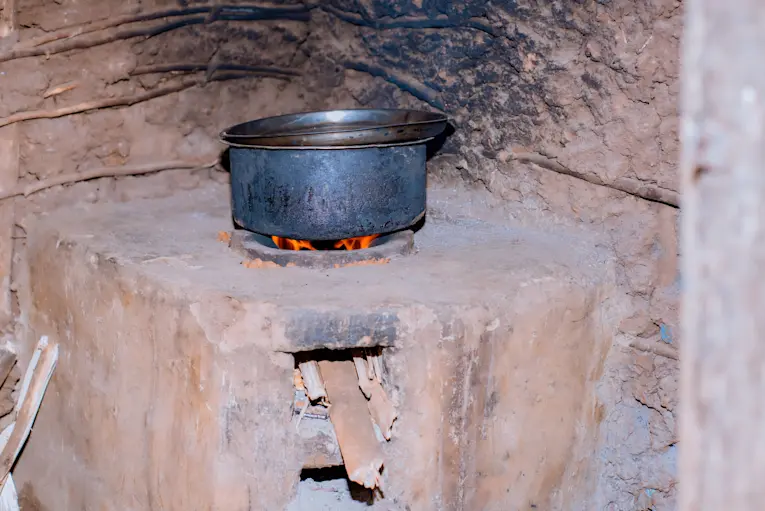
Clay Canarumwe stove in use.
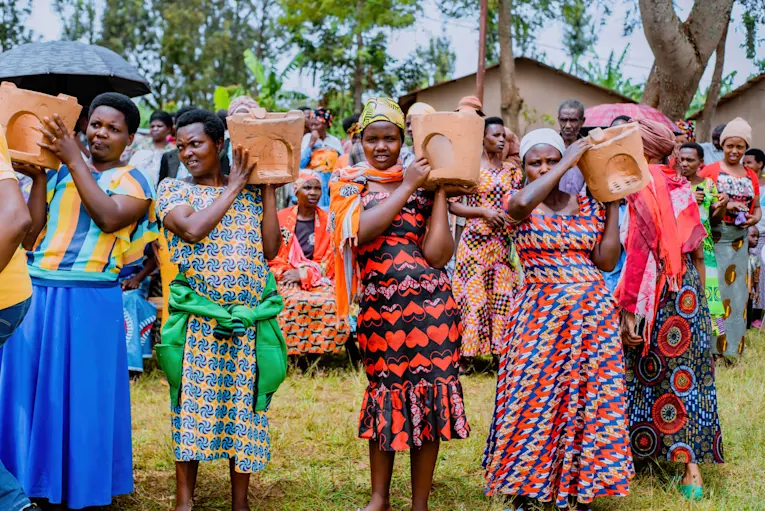
Main household cooks receiving their clay stove inserts at a mobilisation event.
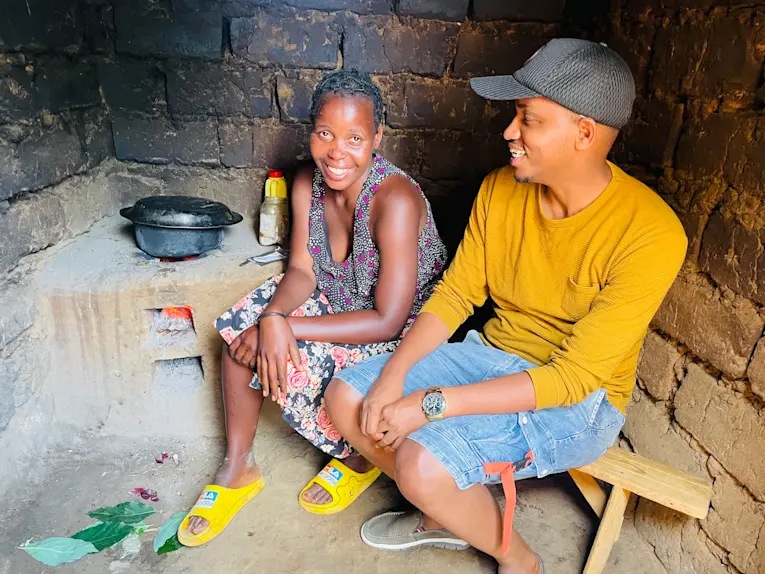
Household in Kayonza, Rwanda using the project Canarumwe cookstove.
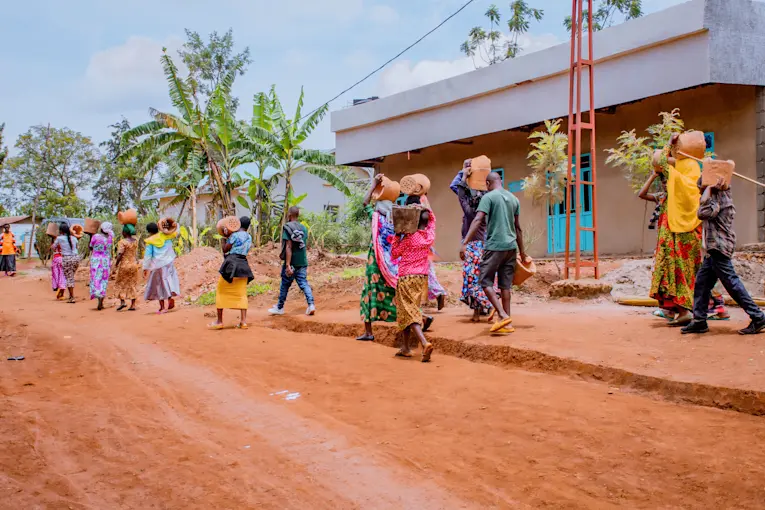
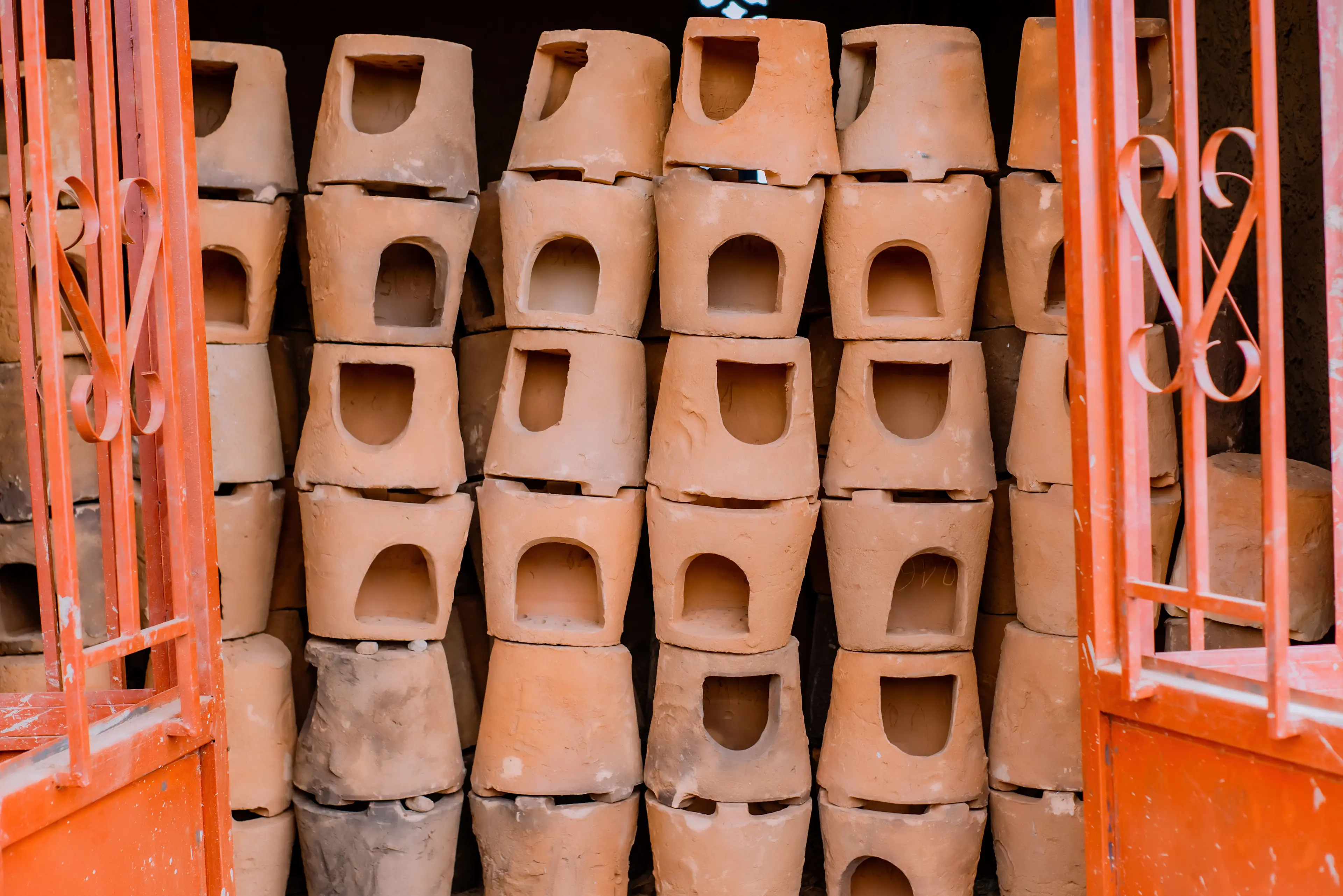
Collection of the improved cookstoves
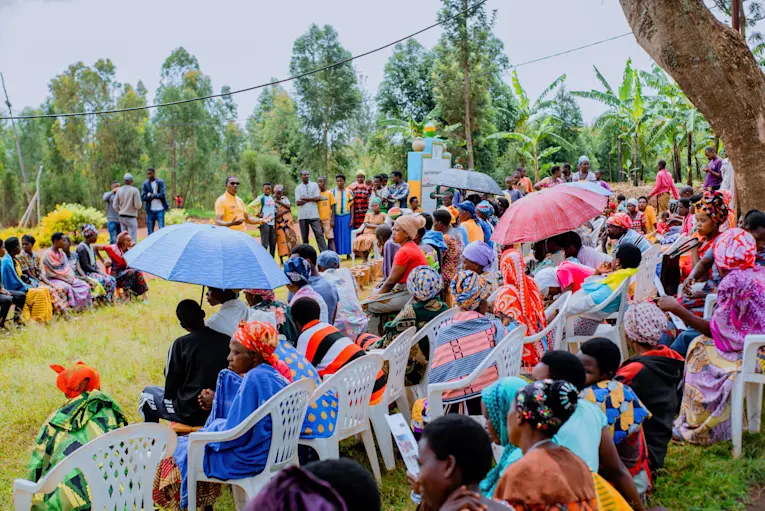
Education about cleaner methods of cooking
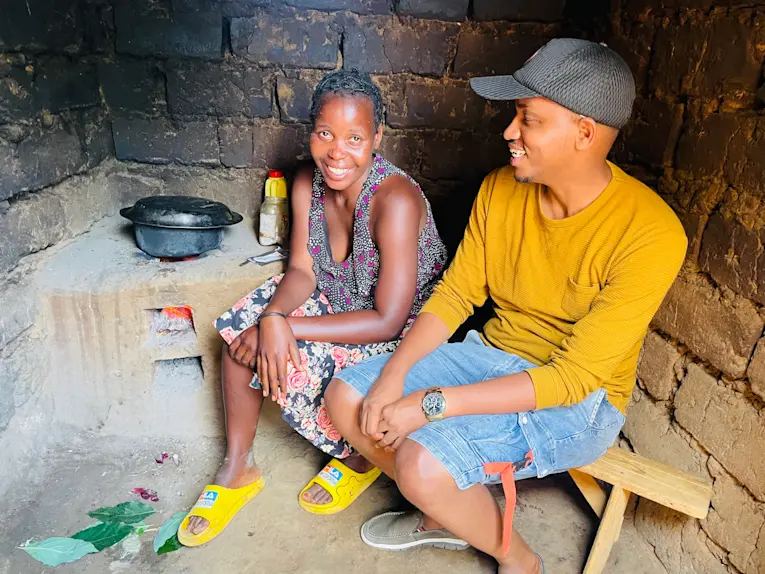
Improved cookstove in action in the home.
Improved cookstove distribution in Rwanda joined Pinwheel!