Kelp restoration Santa Monica Bay
Restoring kelp forests to address climate change while enriching ocean life
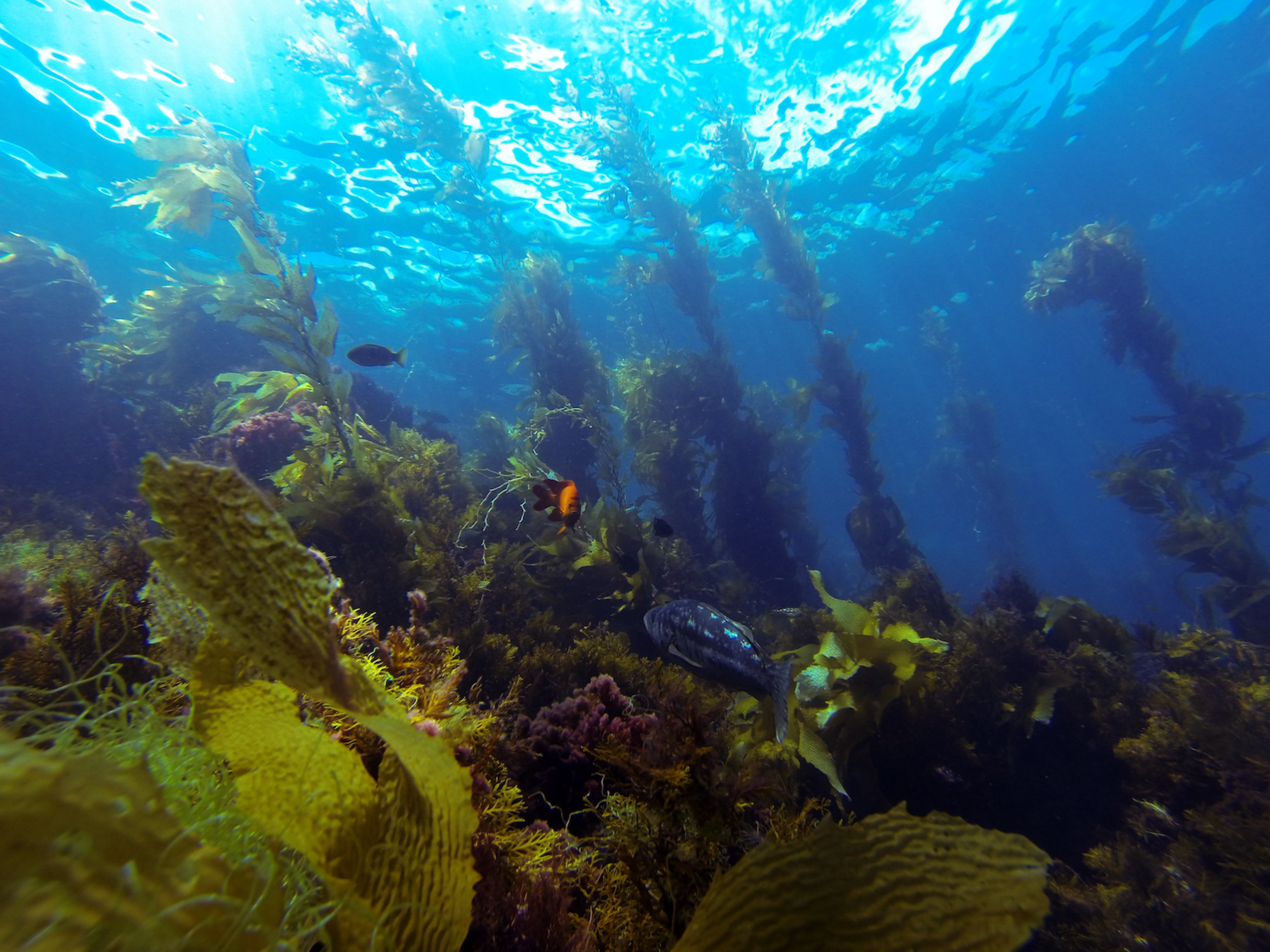
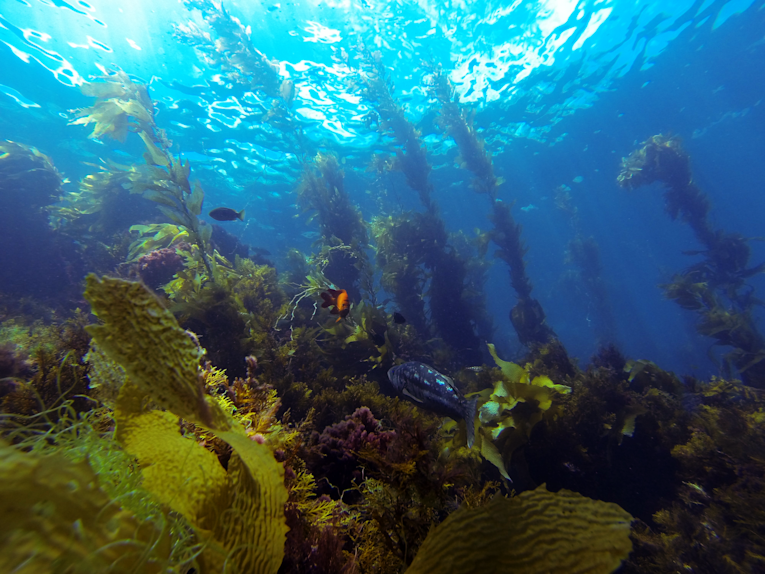
The kelp forest ecosystems off the southern California coast are known to be some of the most diverse and productive ecosystems in the world. They are vital for providing habitat and food for over 700 marine species and protect neighboring coastlines from erosion and pull in carbon dioxide from the ocean as they grow. Globally, kelp forests have been lost to sea urchins, which in great numbers consume and prevent the recovery of kelps. The Bay Foundation restores these kelp forests with teams of SCUBA divers. Kelp forests that have been lost for decades return to health within months of their efforts. Restoring kelp forests feeds humanity, provides for wildlife, and counters climate change.
Action feed
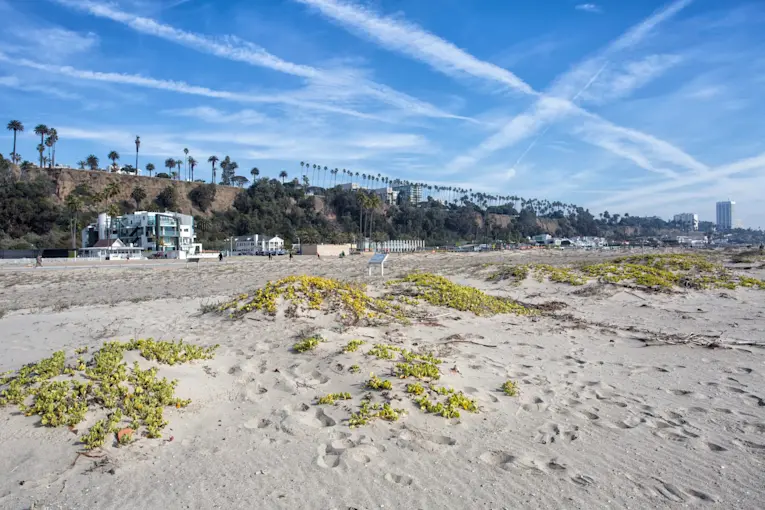
The City of Santa Monica and The Bay Foundation have launched Phase III of the Santa Monica Beach Dunes project, restoring nearly 30 additional acres of coastline to a more natural state. The expanded dune system will help protect the shoreline from erosion, flooding, and sea-level rise. Photo credit: The Bay Foundation
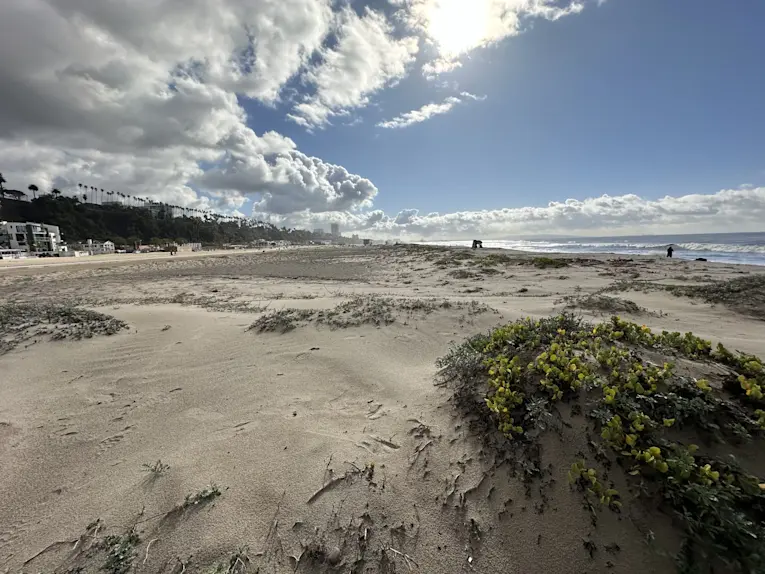
In March 2026 The Bay Foundation started one of its largest sand dune restoration projects by far in Santa Monica. Photo credit: The Bay Foundation
The Bay Foundation's team of science divers entering the water for a day of kelp restoration at Underwater Arch Cove off the coast of Palos Verdes, CA. This boat and this team work year-round to help restore kelp beds off the peninsula.
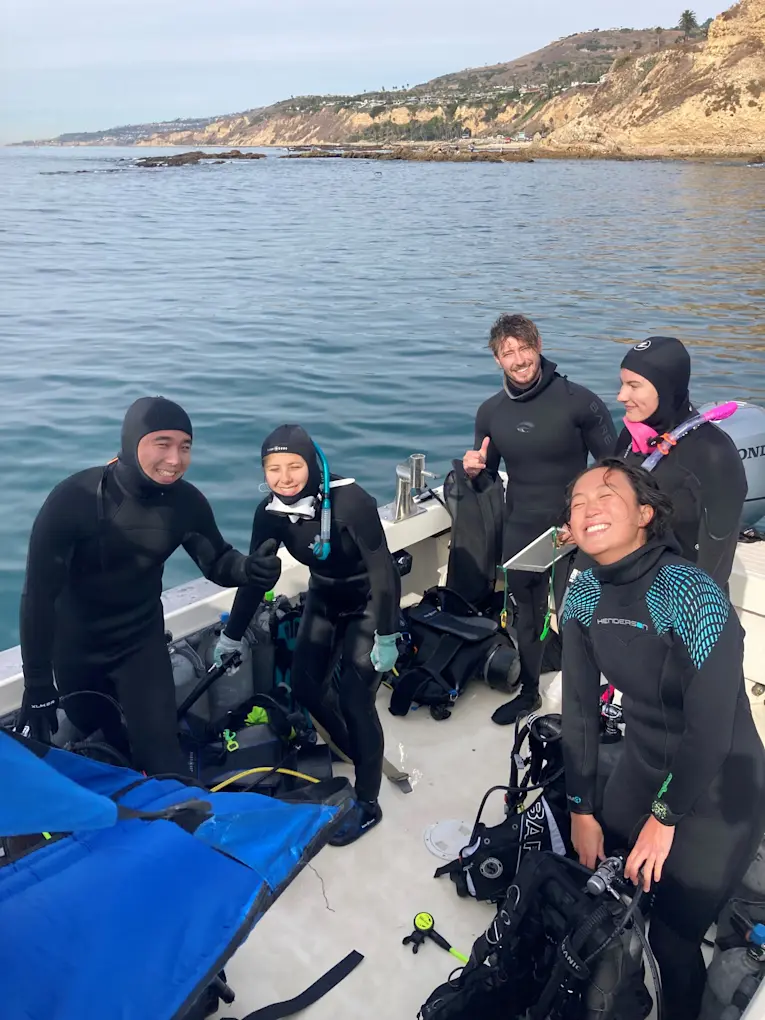
This is a group of our volunteer AAUS certified science divers getting ready for a second dive to help with the kelp restoration. Over the past two years over 50 volunteers divers have logged a total of about 500 dive hours helping on this project. Just under 5 acres of reef have been restored due to their efforts.
Here a team of volunteer AAUS certified science divers are helping with purple urchin suppression on the reef at Underwater Arch Cove off the coast of Palos Verdes, CA. Local fish species, like Garibaldi and Kelp Bass, swarm the divers and feed on the remains of the urchins while they work the reef.
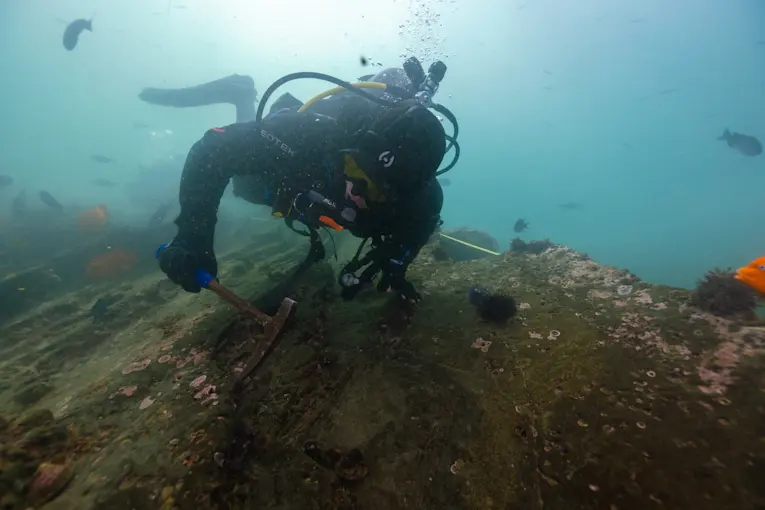
Sean Taylor (one of the Ocean Resilience Program Coordinators) swimming over the reef at White Point off the coast of Palos Verdes, clearing the remaining purple urchins before setting up a new area to work. Rock hammers are used as a tool to smash the number of urchins in the barren down to a natural density (2 per sq meter) which allows space for kelp to grow and flourish.
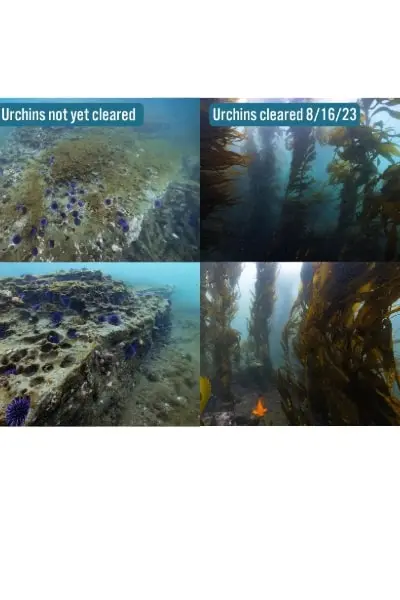
Before-and-after of vital kelp restoration. In just a single dive, you can witness the regrowth of the kelp forests. In this area, urchin overgrazing has transformed kelp forests into barren landscapes known as urchin barrens. Sea urchins living in these barrens have little to no food due to the lack of kelp on the reef, resulting in small and malnourished populations.
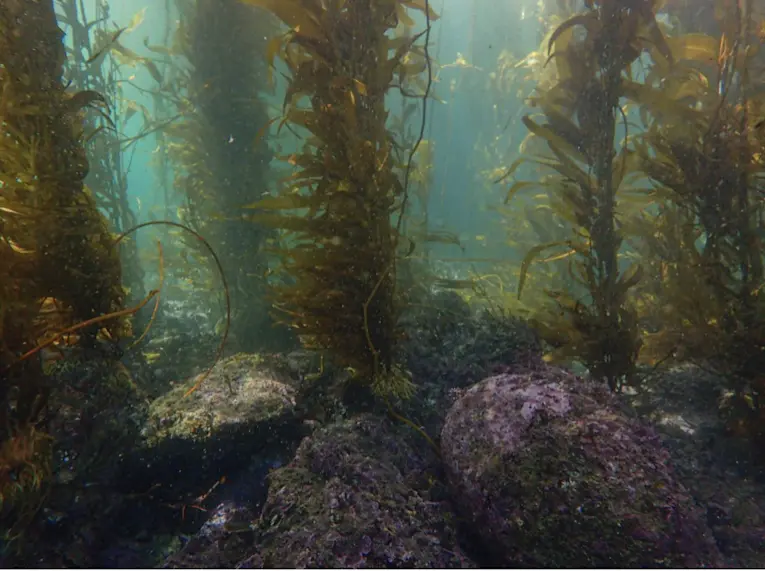
Underwater Arch Cove, Palos Verdes, CA – post restoration activities.
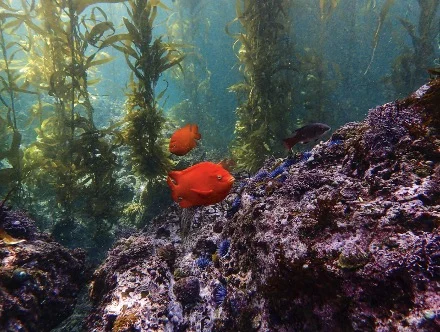
Underwater Arch Cove, Palos Verdes, CA, post restoration activities.
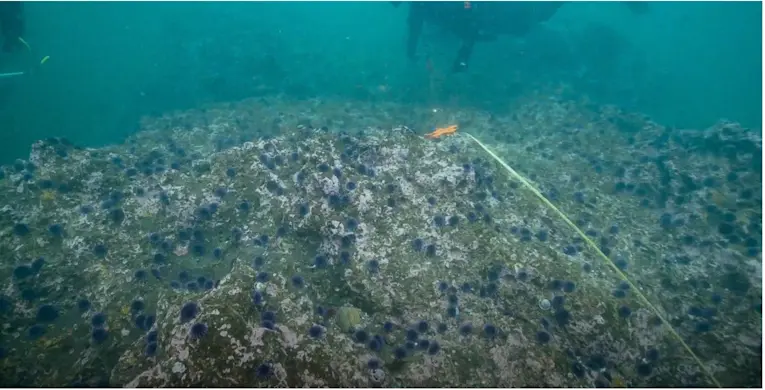
Underwater Arch Cove, Palos Verdes, CA , how the area looked before restoration in May 2024
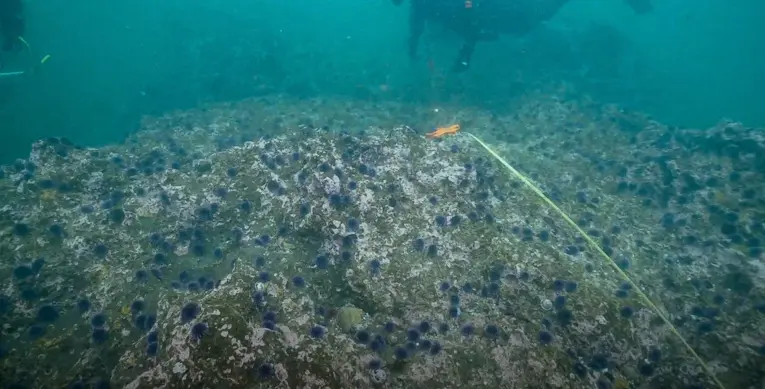
Earlier this year commercial urchin harvesters spent three dive days reducing urchin density to 2 per square meter. By continuing purple sea urchin suppression, sea urchin grazing pressure will be reduced and biogenic habitat will be restored to the rocky reefs that have historically supported kelp forests.
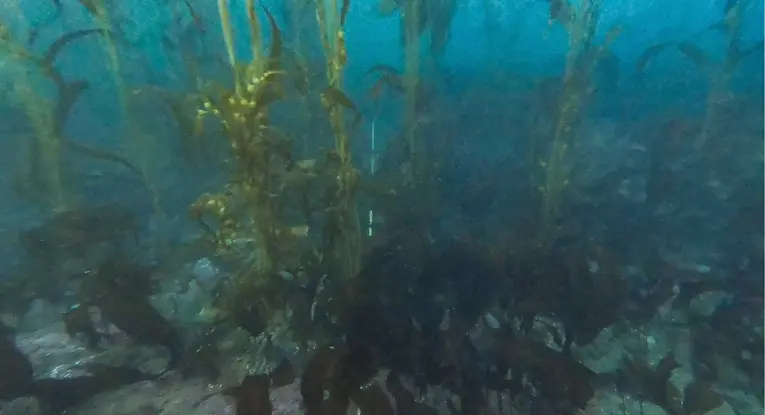
After purple sea urchin suppression work, restored kelp forests have returned a 3-dimensional structure to the habitat, increasing the richness and biomass of algae, fish, kelp canopy, and lobster.
🐟 Here is what a day looks like as a TBF volunteer diver 🐟 Last month this dedicated volunteer team contributed to our Kelp Forest Restoration Project at White Point. Despite challenging low visibility and surge conditions, these volunteers displayed unwavering commitment, successfully clearing an area of 150 sq meters overrun by sea urchins! Their efforts were nothing short of extraordinary 👏 . A heartfelt thank you to these incredible volunteers for their eagerness to dive and for making a difference!
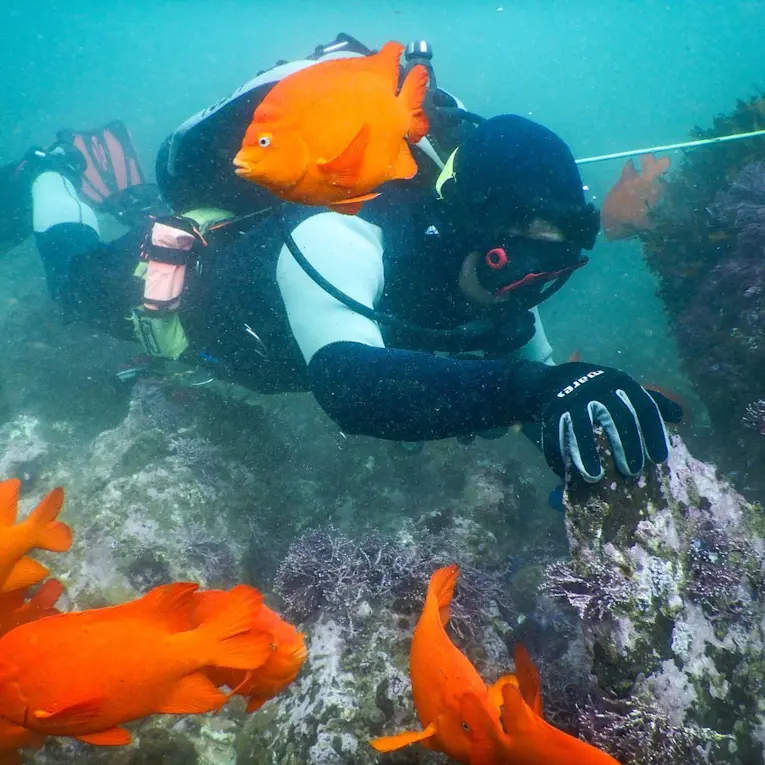
Exciting news! 📣 Our latest scientific publication on urchin gonad research and kelp restoration is out. Overpopulation of purple sea urchins has caused "urchin barrens" impacting red sea urchin gonad production, a high-value sushi product important to fisheries. Destructive purple sea urchin grazing is also the leading cause of kelp deforestation in the world. Kelp restoration efforts involve removing purple sea urchins, and this study examines how red sea urchin gonad biomass production responded to culling purple sea urchins for restoration in the Palos Verdes Peninsula.
We have approached nearly a decade of kelp forest restoration and further our many ocean resilience, coastal adaptation, and environmental engagement initiatives! 🌿 Please consider continuing to support our organization so we can continue to protect and enhance the Santa Monica Bay for all those who inhabit it (including these kelp forests)!
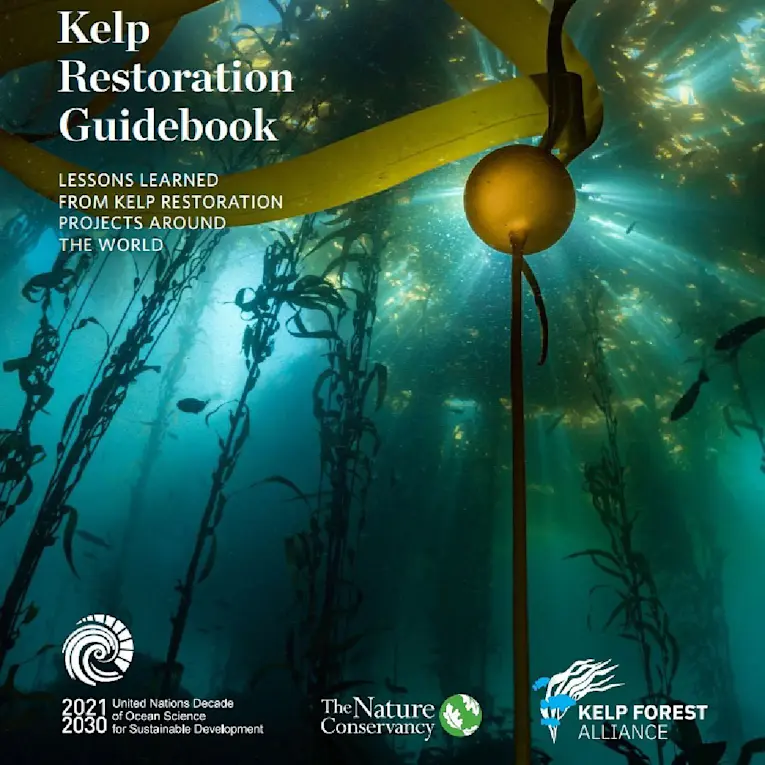
At the Bay Foundation (TBF) we are delighted to introduce the Kelp Restoration Guidebook! We have contributed years of work from our kelp forest restoration on the Palos Verdes Peninsula. The guidebook is a resource made through a partnership with the UN Decade of Ocean Science for Sustainable Development (2021-2030), @nature_org and @kelpforestalliance !
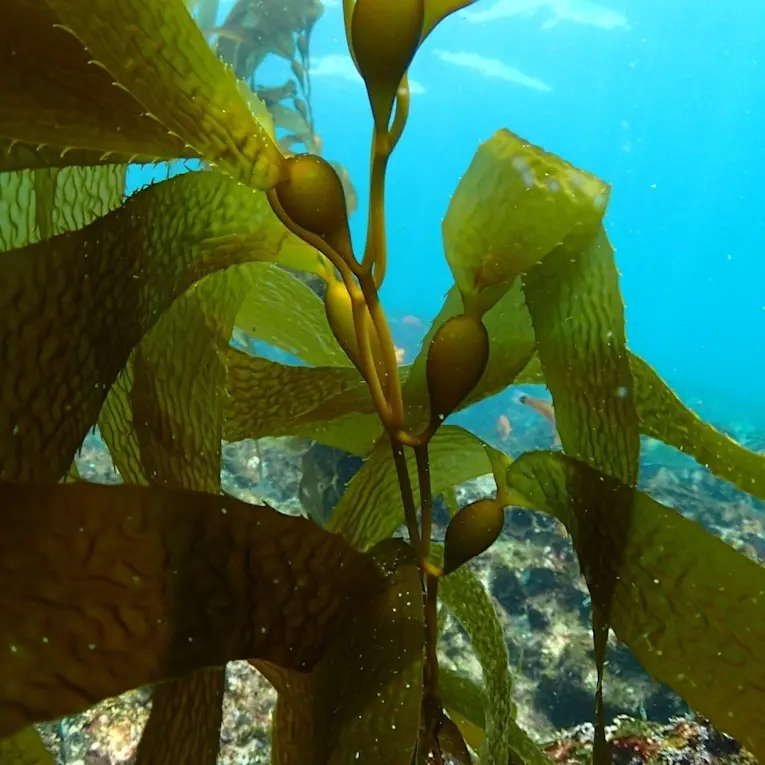
We are delighted to have recently partnered with The Bay Foundation in Santa Monica and to have their fantastic and impactful kelp restoration project on our platform. Did you know that Giant kelp can grow over 100 feet from the ocean floor and are foundational to ocean ecology and biodiversity - they provide food, habitat, and shelter for hundreds of fish, marine mammals, and other sea life!
Kelp restoration Santa Monica Bay was verified by Pinwheel
Kelp restoration Santa Monica Bay joined Pinwheel!