Seagrass and mangrove restoration Puerto Rico
Planting and protecting seagrass meadows and mangrove propagules to sequester carbon
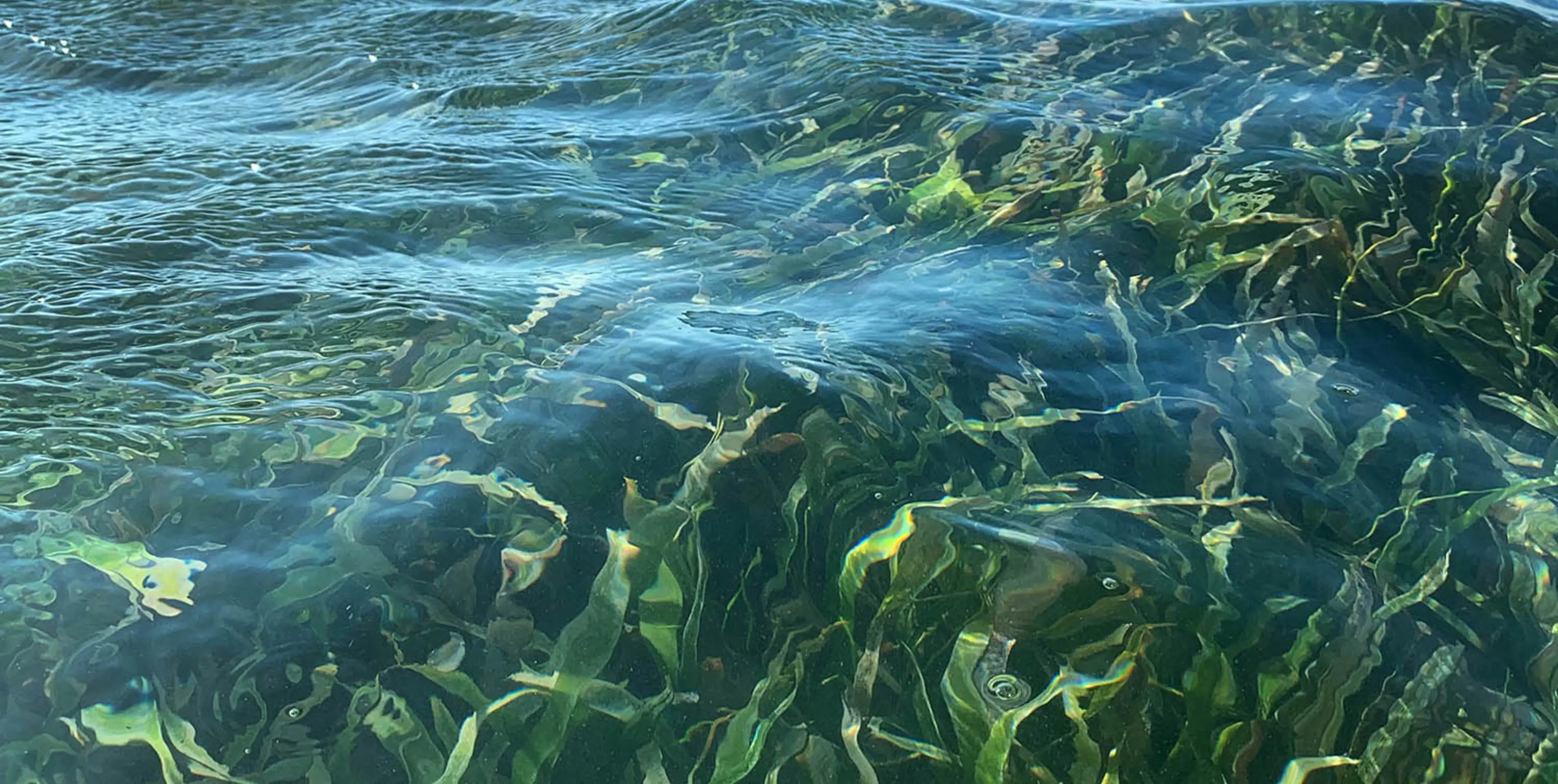
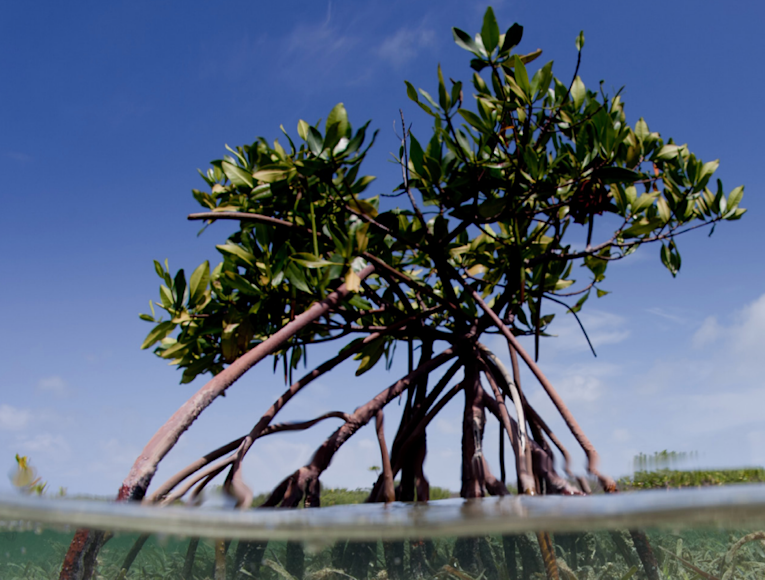
Seagrass is a wonder plant. It takes carbon from the atmosphere up to 35 times faster than tropical rainforests. Sadly, seagrass, which is found in shallow waters of coastal regions, has been declining globally at a rate of about 7% a year since 1990 – we must reverse this trend. Planting and protecting seagrass meadows is one of the most effective ways we can tackle climate change. Mangroves another critical "blue carbon" ecosystem, store up to five times as much carbon, in their biomass and soils, as tropical upland forests. Mangroves - estimated since the 1950's to have decreased globally by 50% due to land use changes - are critical to protect and restore with a diverse array of holistic benefits to coastal habitats; acting as biodiversity hotspots with a vibrant array of species from shellfish to fish species finding shelter amongst their roots as juveniles. Whilst they are key to adaptation and resilience from increasing intensity and frequency of extreme weather events exacerbated by climate change, acting as natural barriers and stabling coastlines.
Action feed
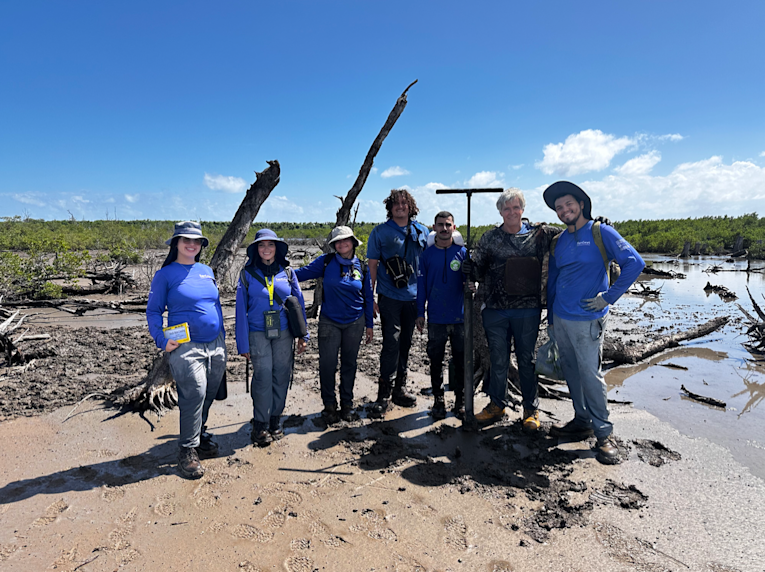
The Ocean Foundation's partners, BoriCorps and Merello Marine Consulting, conducting soil carbon core sampling. Credits: The Ocean Foundation
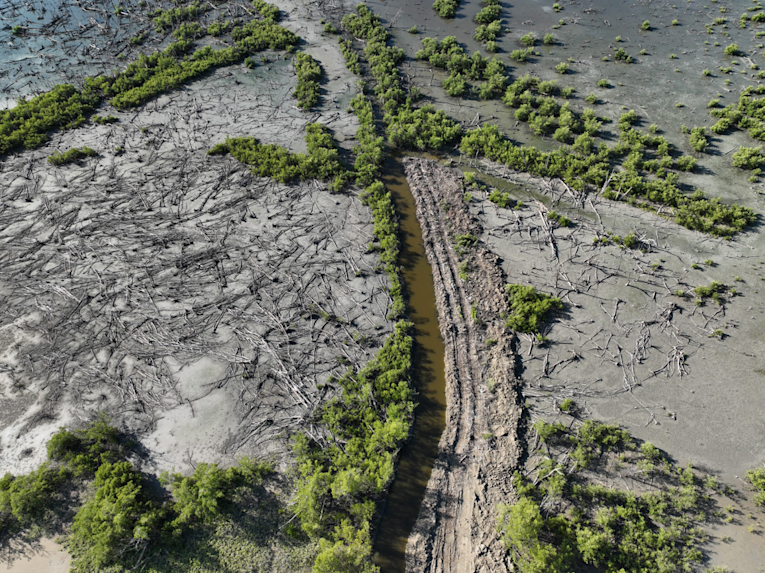
Aerial view of hydrological restoration through channel construction. Credits: The Ocean Foundation
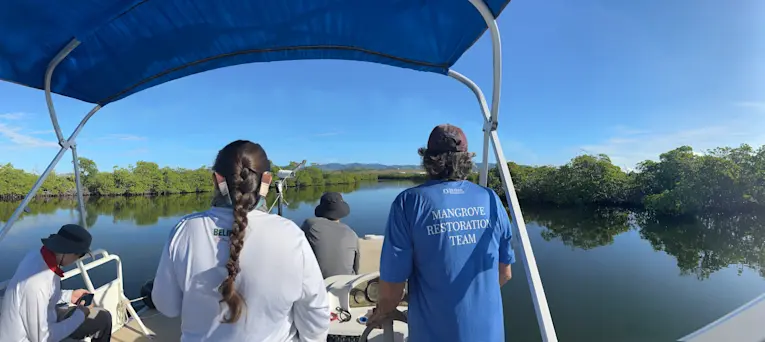
Throughout the year, local labourers, volunteers, and BoriCorps - a workforce development program for students and early-career professionals - provided essential implementation of restoration activities while gaining valuable field experience.
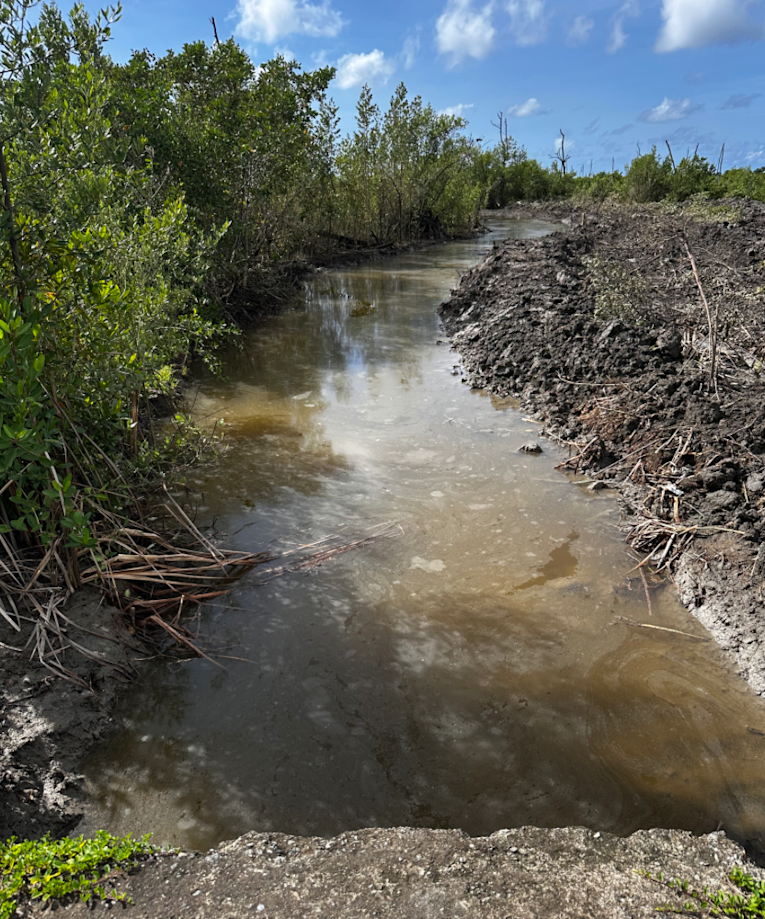
Ground view of hydrological restoration through channel construction. Credits: The Ocean Foundation
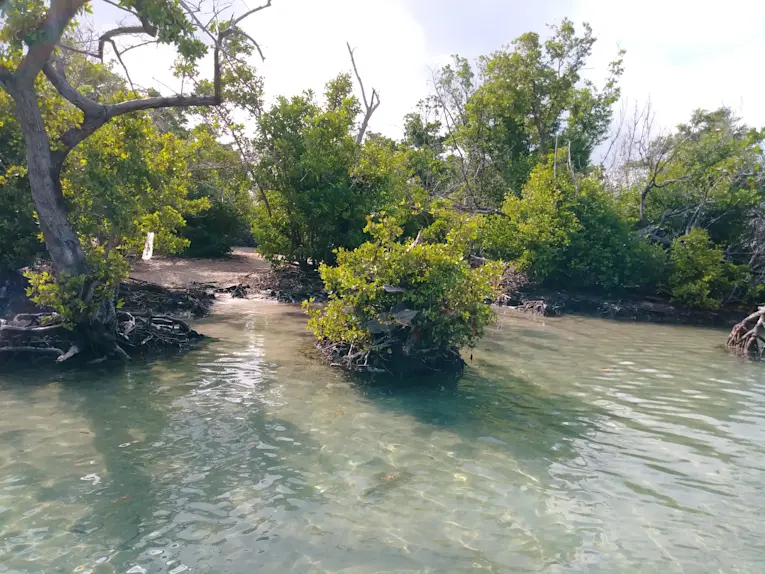
This project has maintained net-zero mortality among planted mangroves since project inception, while natural regeneration rates have continued to exceed expectations at all four sites.
In April 2025, the project secured congressionally-directed funding through the National Oceanic and Atmospheric Administration's Office for Coastal Management to implement two additional sites which will bring the total project footprint to 1,445 acres.
Vieques' Bioluminescent Bay has been restored, with 4,000 Envirolok bags installed to create a living shoreline, 500 seagrass units planted, and 3 hydrological channels opened to improve water flow.
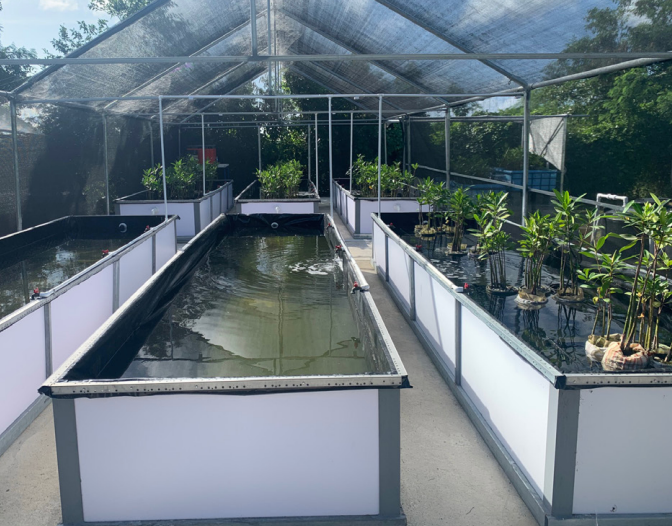
The Ocean Foundation's mangrove nursery is now the largest in Puerto Rico, with capacity to grow 14,000 red and black trees annually.
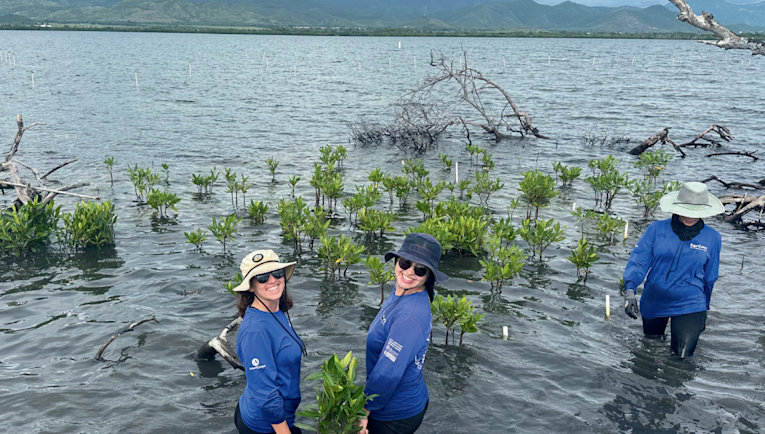
The project reached a pivotal milestone this year with the finalisation of restoration activities at the four original sites, encompassing 695 acres. This work represents the successful completion of the largest mangrove restoration project ever undertaken in the United States.
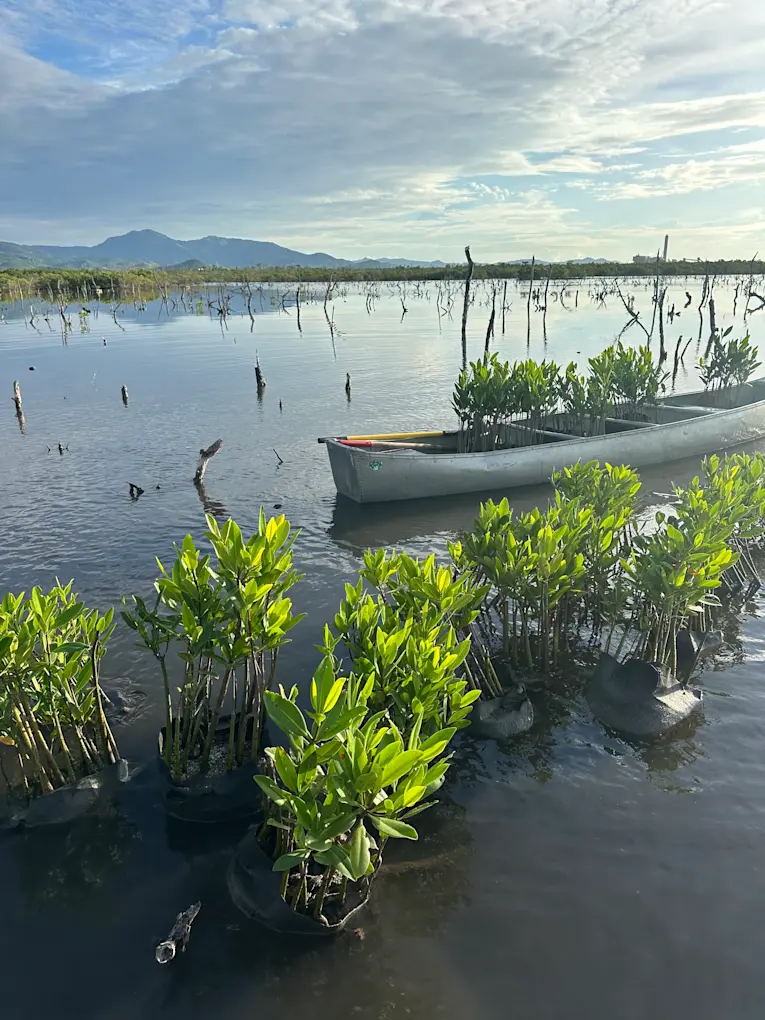
Transporting red mangrove saplings for transplanting in the Aguirre State Forest, Puerto Rico. (Photo credit: Manuel Merello, The Ocean Foundation)
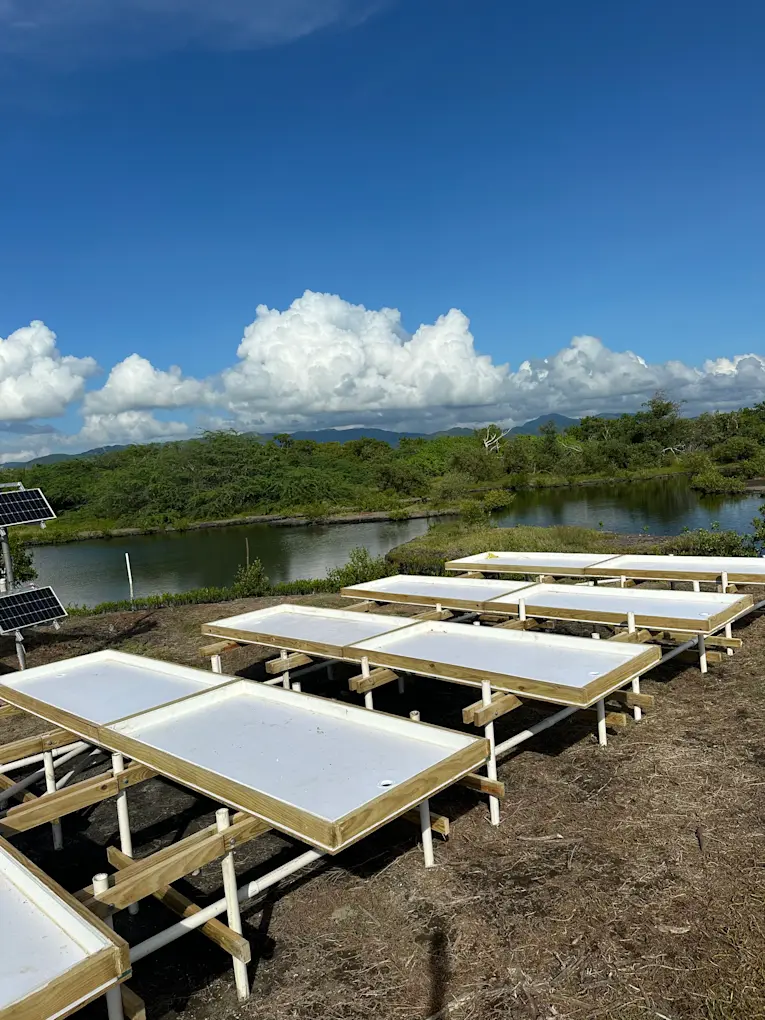
New planting trays for the mangrove nursery expansion in the Jobos Bay National Estuarine Research Reserve, Puerto Rico. (Photo credit: Manuel Merello, The Ocean Foundation)
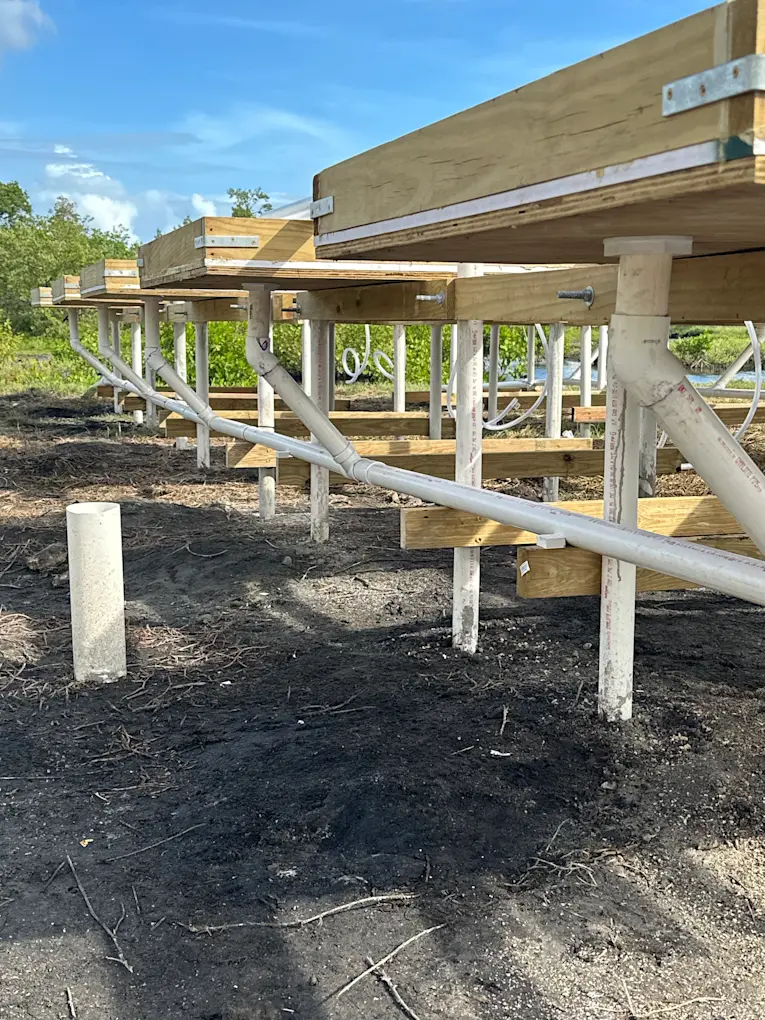
New plumbing for the mangrove nursery expansion in the Jobos Bay National Estuarine Research Reserve, Puerto Rico. (Photo credit: Manuel Merello, The Ocean Foundation)
The mangrove propagules sprouting after planting.
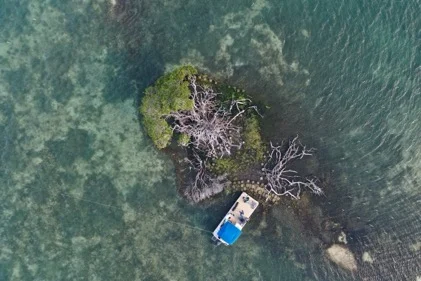
Aerial view of biological restoration at work.
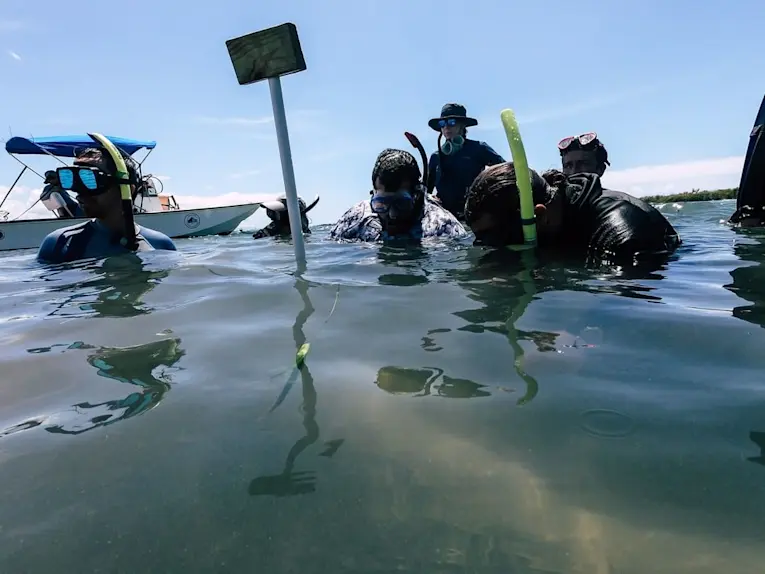
Bird stakes (the pole with the wood block on top) help speed up the natural growth of seagrass. Birds sit on the blocks and fertilize the areas we're restoring!
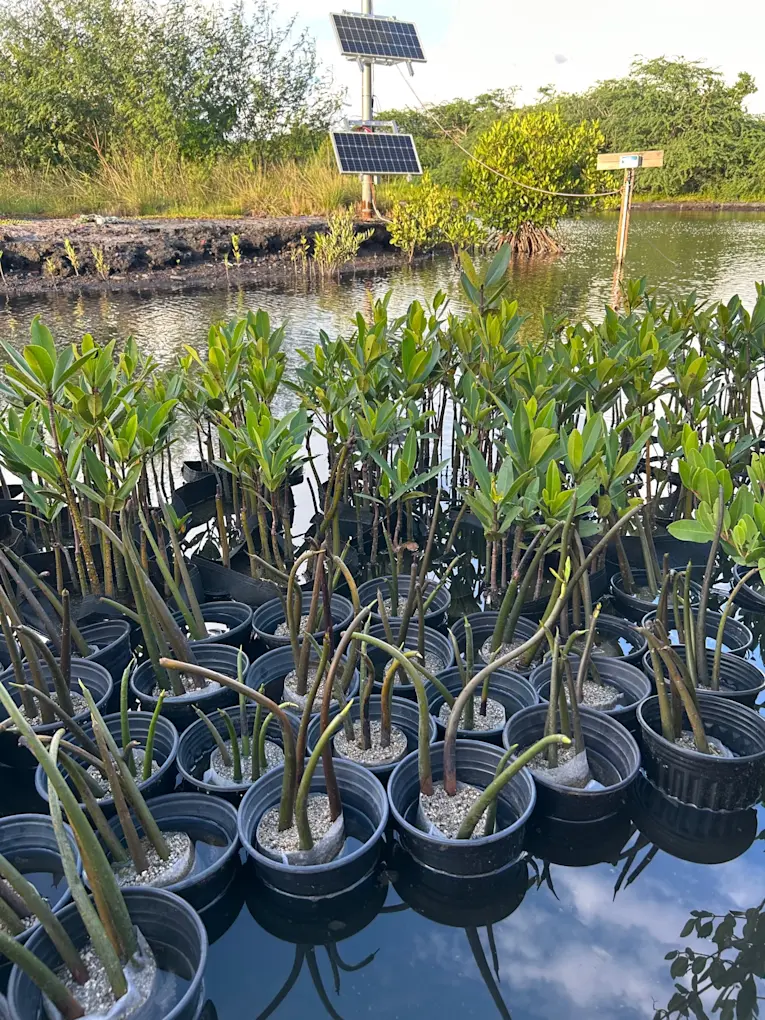
Our mangrove nursery - almost ready to plant - where we raise and tend seedlings until they are ready for permanent planting out in the world. This project takes place in the Jobos Bay National Estuarine Research Reserve and adjacent Aguirre State Forest, where TOF has worked with our partners to design and permit the largest mangrove restoration project in the United States (695-acres).
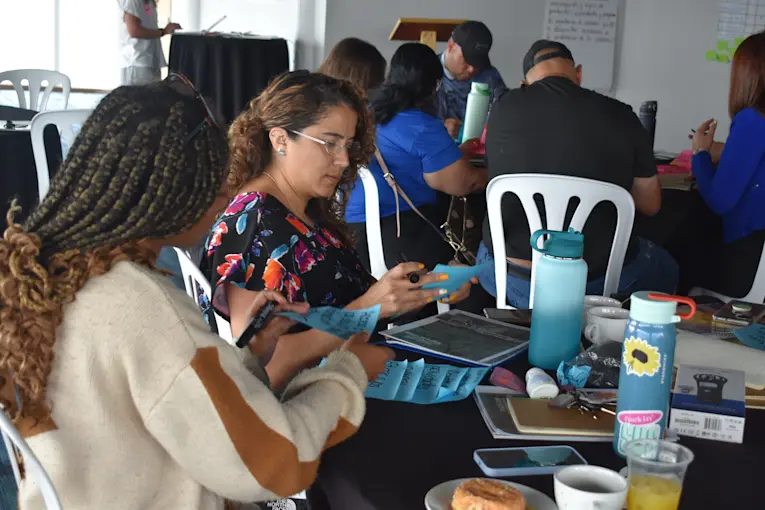
Last month we hosted a workshop in Salinas, Puerto Rico, with our partners Sea Grant Puerto Rico, the University of Hawaii at Manoa, and NOAA Ocean Acidification Program, to hear from fishers, resource managers, scientists, and others about the tools and programs they need to build resilience to ocean acidification.
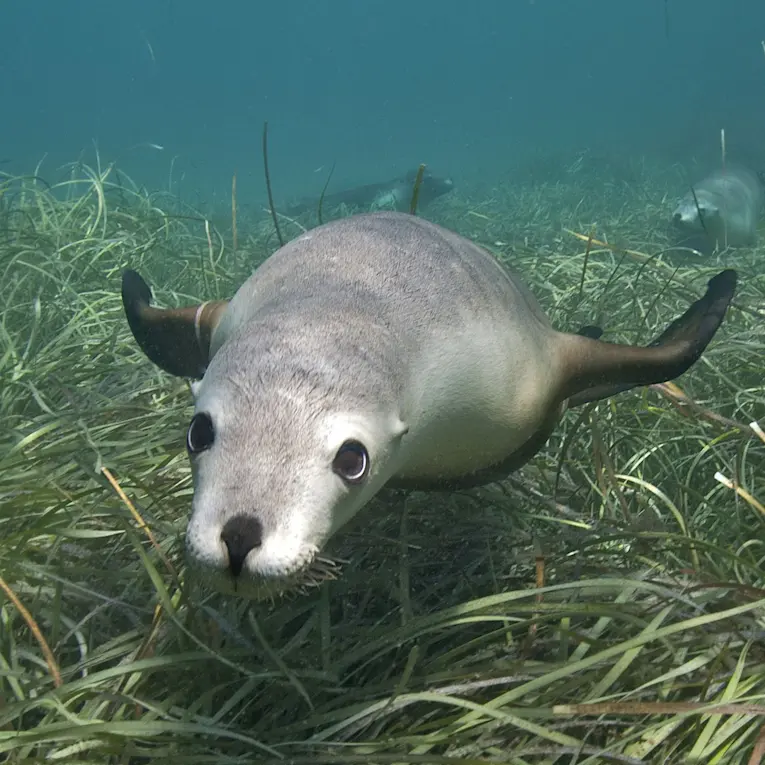
Along with providing vital services like food and shelter to ocean animals, seagrass habitats are more effective than Amazonian rainforests in their ability to absorb & store carbon dioxide!
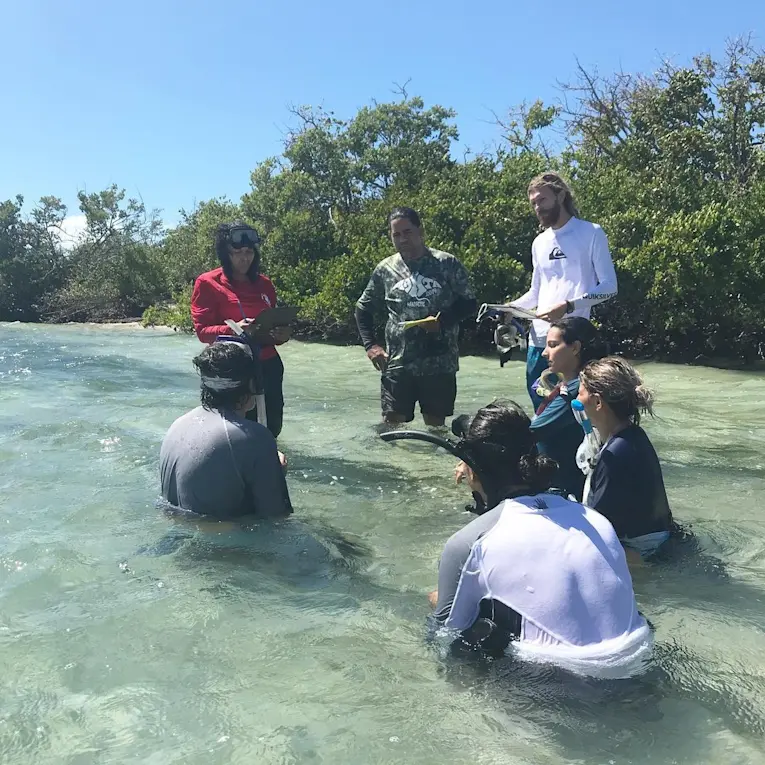
Thank you to our partners Jobos Bay National Estuarine Research Reserve and peakdesign for making these workshops possible and capturing our work! We had a great couple of days in Puerto Rico learning about seagrass and mangrove long-term monitoring.
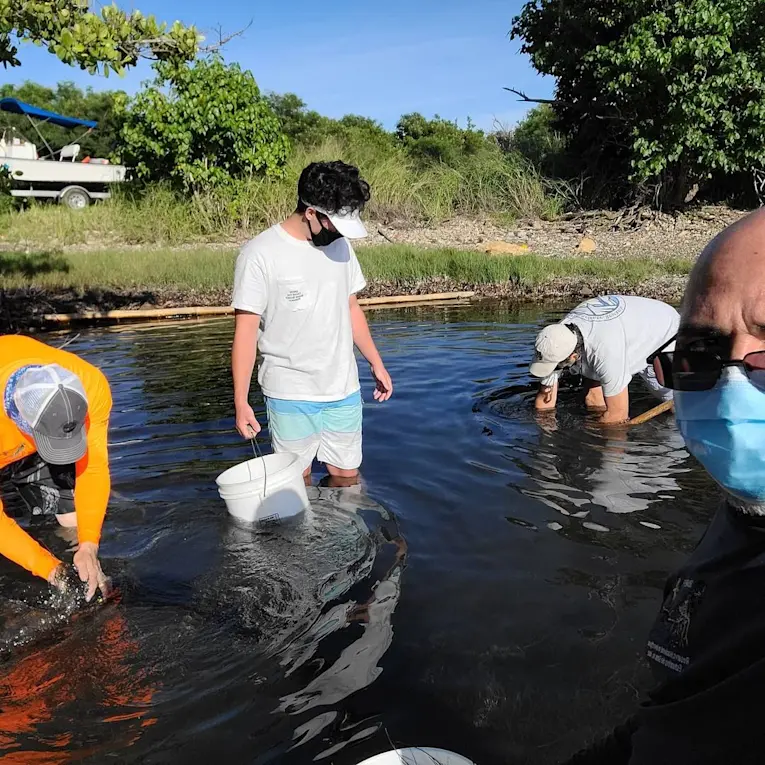
More seagrass restoration in Puerto Rico! THANK YOU to everyone who makes our restoration and conservation work possible. 🌱 Conservation and restoration of seagrass beds will sequester carbon, promote biodiversity, and reduce damage of storm surges - helping build critical resilience for the island for years to come.