Solar energy sub-Saharan Africa
Distributing solar lights throughout Africa for people living without electricity
Sunshine is in abundance in Africa but when the sun goes down the working day ends for millions of people. For millions of others the only option is to ignite kerosene lamps and paraffin candles, which emit toxic fumes into their lungs and into the earth’s atmosphere. SolarAid is working to deliver clean, safe, and affordable solar lights to rural communities across sub-Saharan Africa, reaching the places no one else goes to.
Action feed
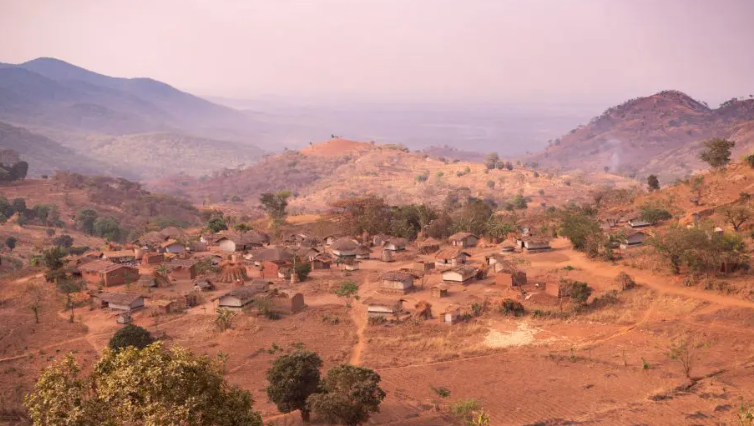
One year after reaching 100% energy access in Kasakula, Malawi, SolarAid's Energy-as-a-Service project is moving into its next phase — bringing solar-powered irrigation to local farmers. By harnessing the sun to water crops through the dry season, families are keeping food on the table when little else would grow. Photo credit: SolarAid
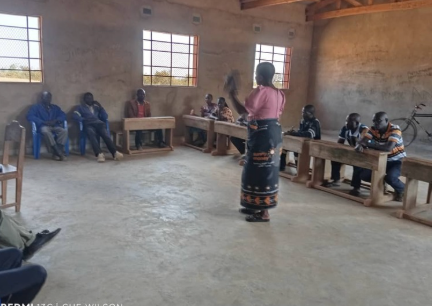
Primary Education Advisors (PEA), who work to improve the quality of primary education, have been highlighting the importance of light libraries to headteachers from the Kavizinde zone in Kasungu North, Malawi. Photo credit: SolarAid
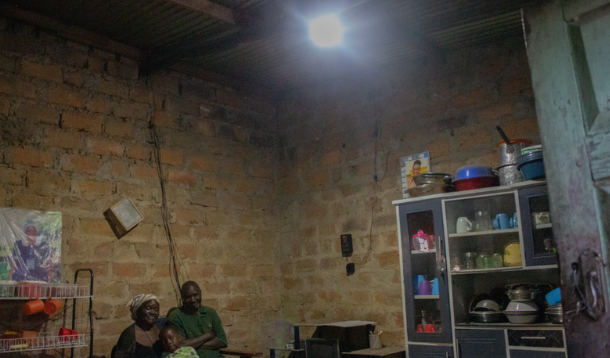
Samuel and Lilian now have power in their home. Lilian no longer has to burn old rubber slippers for lighting when cooking due to the provision of clean and safe solar lighting. Photo credit: SolarAid
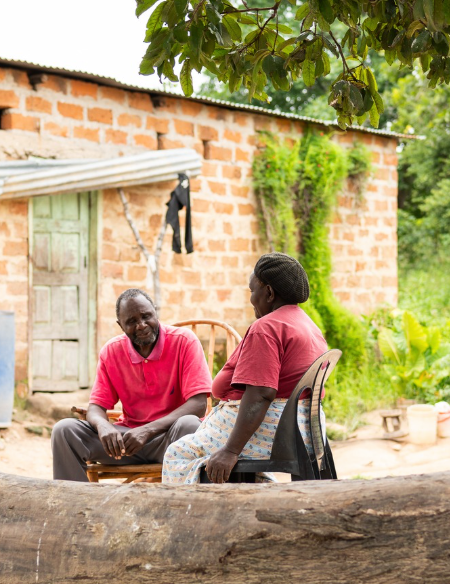
Thanks to Solar Aid, 47,500 people now have access to constant, affordable light and power. As a result, 100% of residents say they 'feel safer at home'. Photo credit: Solar Aid
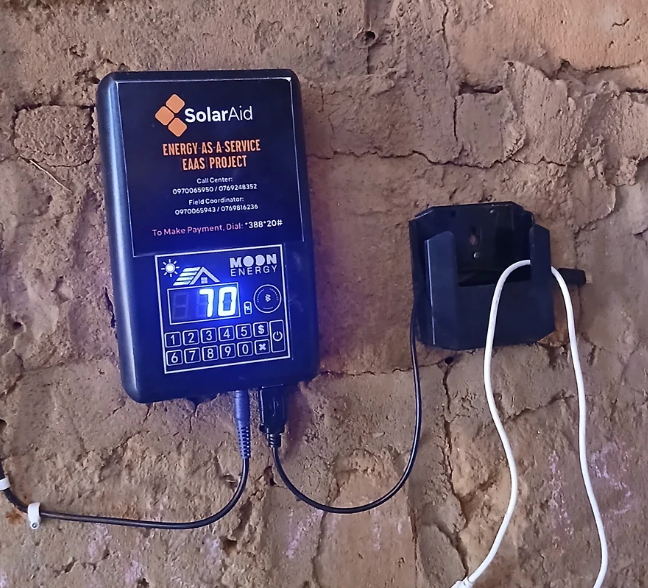
A solar home system. Photo credit: Solar Aid
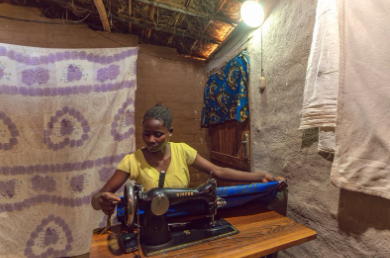
In Kasakula, a solar home system means that Ethel Bottomani is able to extend her working day to earn more income. Photo credit: Solar Aid
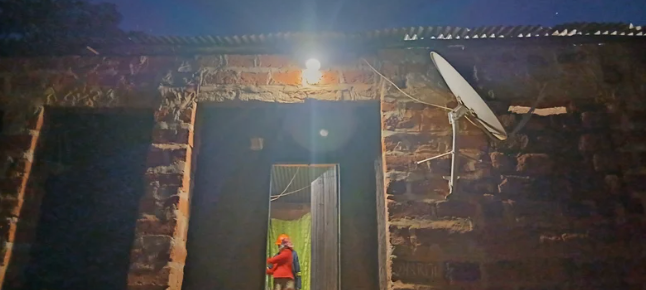
A completed installation at a home in Namanongo. Photo credit: Solar Aid
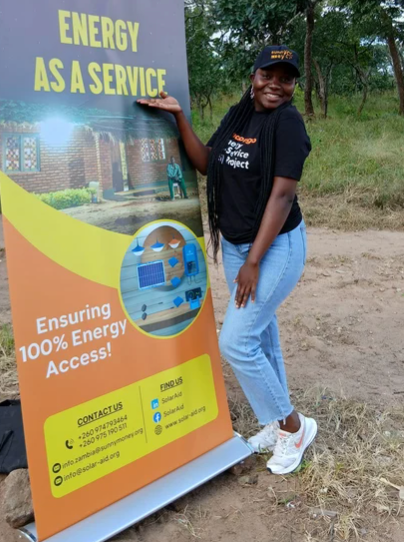
Misozi Chulu helps to promote energy as a service with communities in Namanongo. Photo credit: Solar Aid
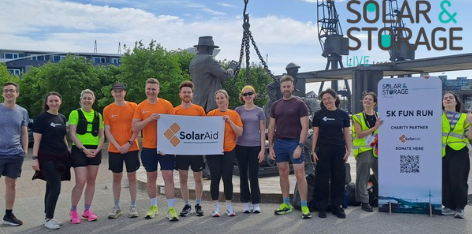
The Solar Aid team joined the Solar + Storage Live team at London Excel. The event provided exhibitors and visitors with the opportunity to discuss the work done by Solar Aid.
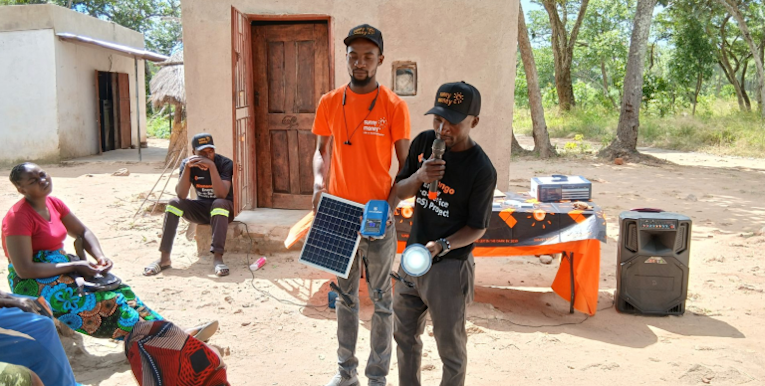
SolarAid's Zambia team have been out and about on the ground in Namanongo Ward, Rufunsa District, engaging communities in the build up to their Energy As a Service pilot. Photo credit: Solar Aid
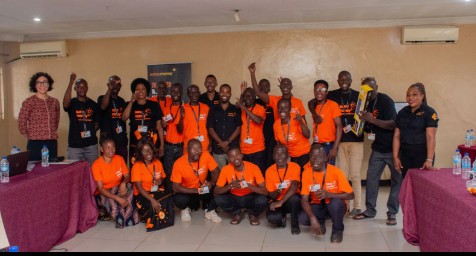
A 2-day Energy Business Training was conducted with 17 entrepreneurs. Participants were equipped with practical skills in product knowledge, marketing & customer service, cash flow management, and general solar light maintenance.
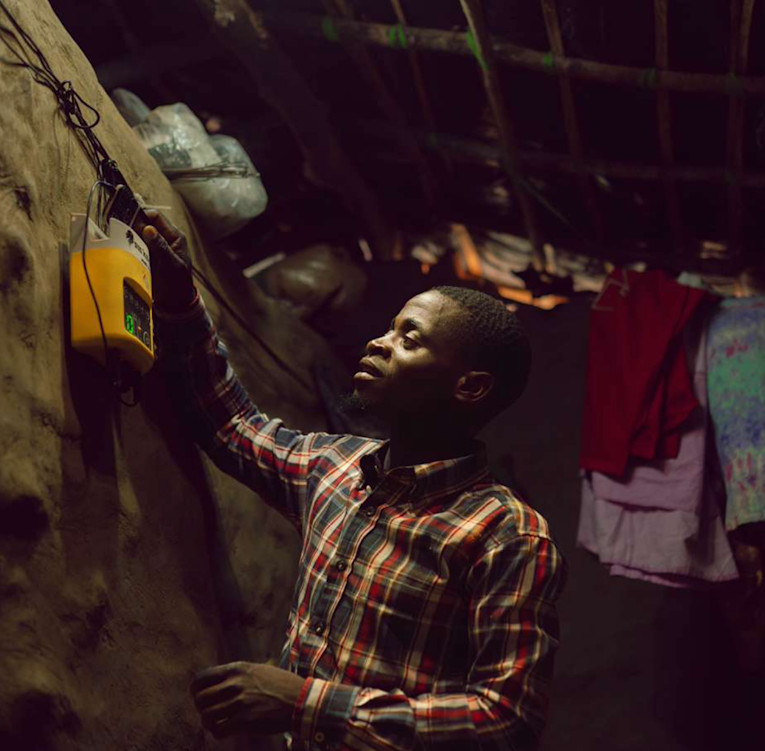
In Malawi, SolarAid supports a network of 36 locally owned energy businesses, enabling energy access through local entrepreneurship and long-term sustainability. One model, 'Mayi Walas', supports women entrepreneurs to lead the energy transition in their communities.
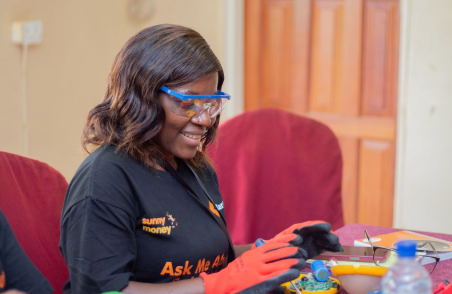
In April 2026 the Solar Aid Repair Team conducted a 3-day Repair Training with 15 solar entrepreneurs, increasing the provision of reliable repair services across rural communities. These hands-on sessions and assessments covered solar and product fundamentals, diagnostics, and customer communication.
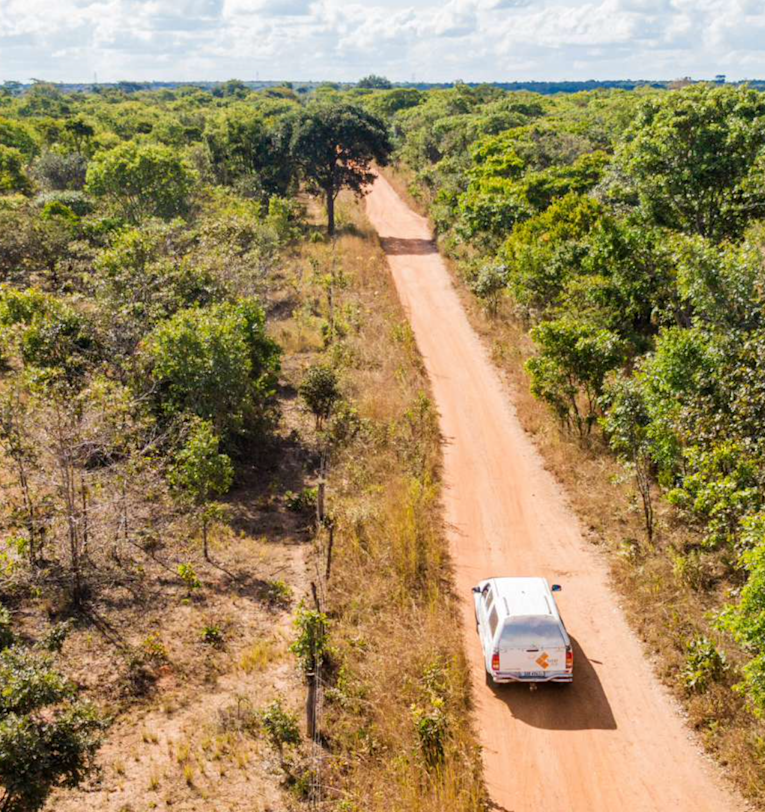
Through expanded entrepreneur training, SolarAid have strengthened the foundation for a sustainable, decentralised distribution network. Entrepreneurs have been equipped with basic solar repair training and connected with trained local technicians, enhancing after-sale service and creating additional income streams for both groups.
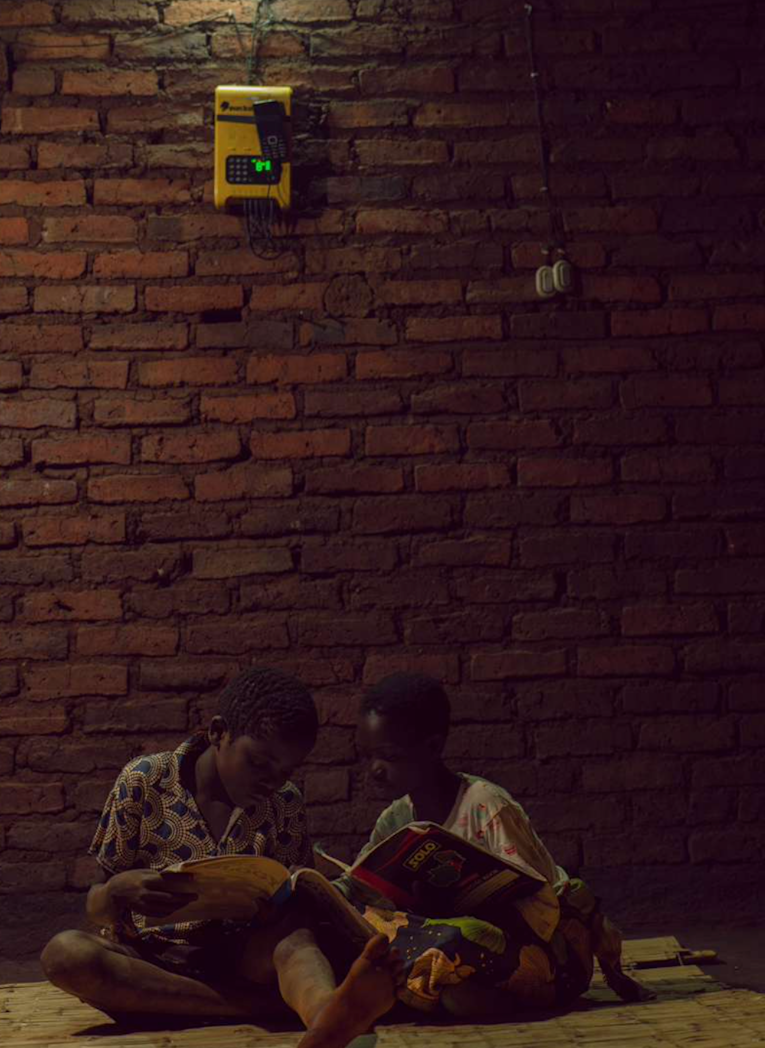
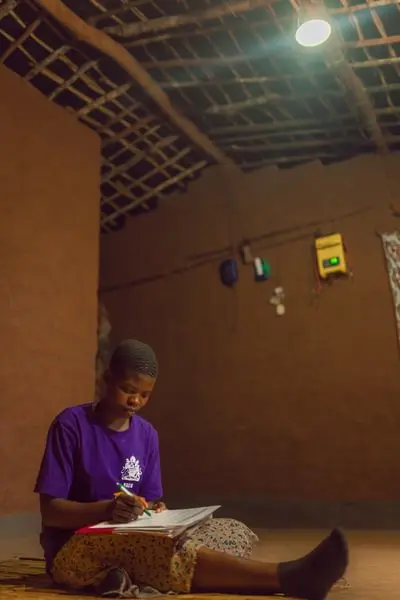
In Chikonka village, families are benefitting from investment in solar lights. Money that would otherwise be spent on candles and kerosene is saved, and critically, children are able to carry on with studies after dark, contributing significantly to educational futures.
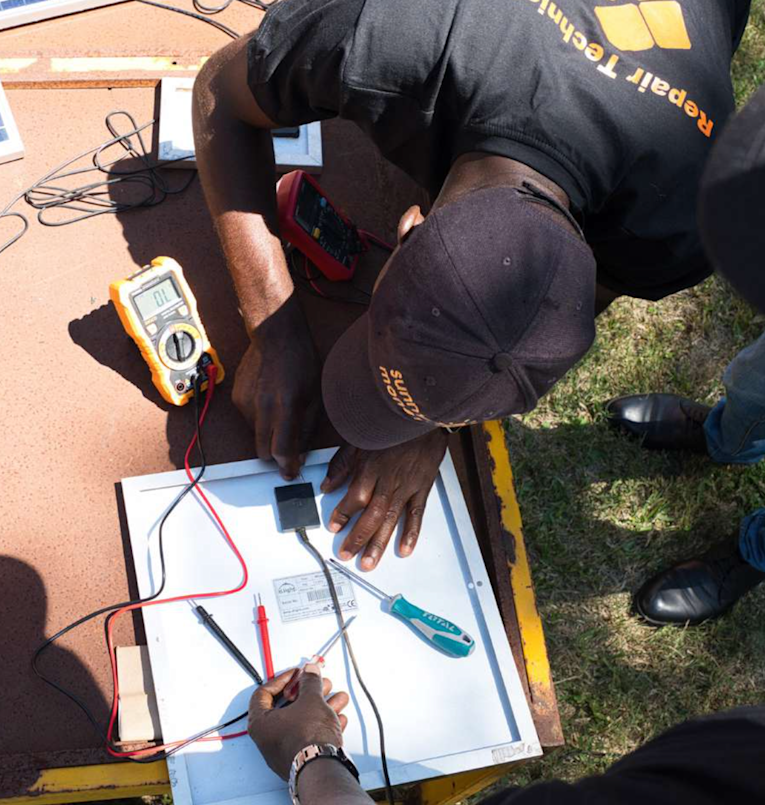
SolarAid is launching the Off-Grid Solar Repair Lab to tackle systemic barriers and accelerate collective solutions for more effective solar repair. By prioritising repair, this lab aims to reduce e-waste, promote circularity, and create jobs, particularly for rural, low-income customers.
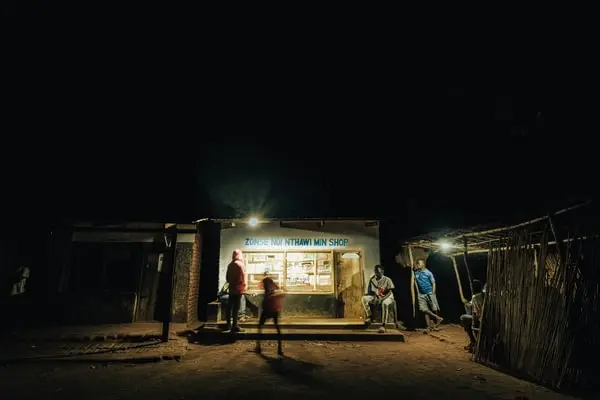
Light a Village project, Kasakula, Malawi .
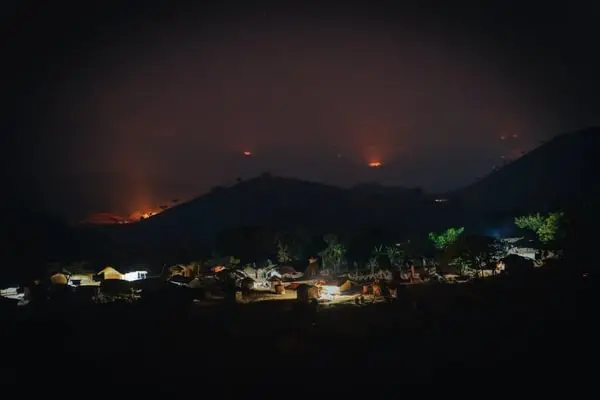
View of Light a Village project in Kasakula, Malawi.
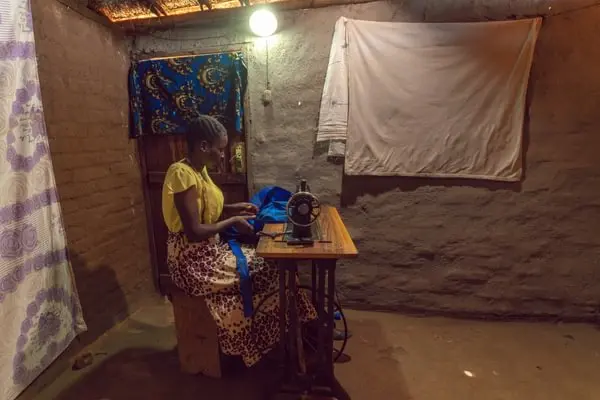
Ethel Bottomani, Light a Village project.
Diana Samuel, Light a Village project.