Turtle hatchling protection
Protecting threatened or endangered sea turtles
Six out of seven species of sea turtles are threatened or endangered. This project protects this "keystone species". This project provides grant funding to the organisations working on small budgets. The funds go towards paying local residents to patrol important turtle nesting beaches, protecting turtles that come up to nest and ensuring that the eggs are protected, and guiding the hatchlings to the sea. SEE Turtles grants have already resulted in 10 million hatchlings being saved! They’re aiming to save 1 billion.
Action feed
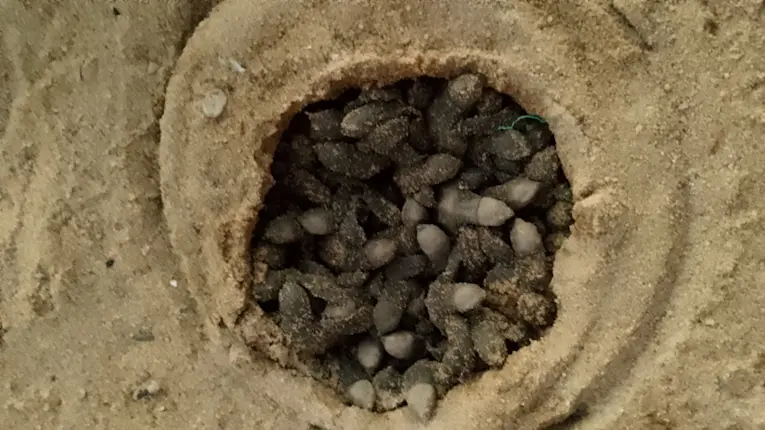
On the remote Salaut Besar Island, Indonesia, local rangers patrol beaches and move at-risk nests to a safe hatchery to protect a rare leatherback subpopulation. This work has saved an estimated 4,000 hatchlings by fighting egg poaching driven by local demand. Photo credit: SEE Turtles
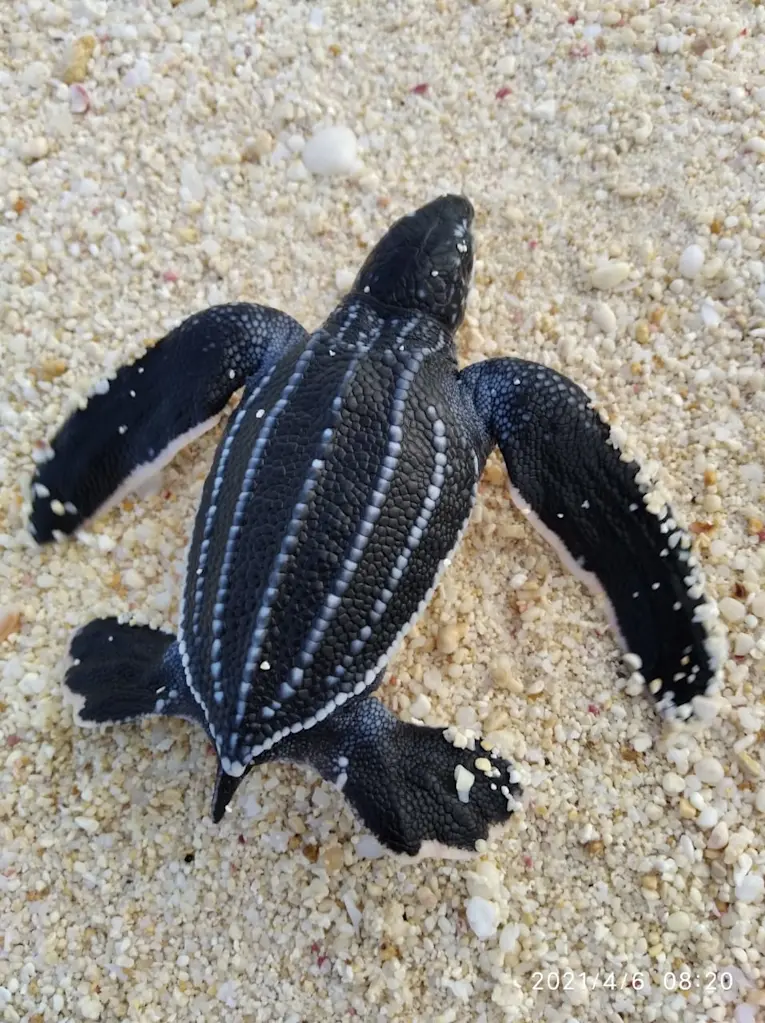
An Afro-descendant community in Playa Ventura, Guerrero, Mexico, has protected over 80% of olive ridley and 90% of leatherback and black turtle nests for nearly 15 years. Support helps guard nests against poaching and roaming dogs, saving an estimated 40,000 hatchlings on this vital nesting beach. Photo credit: SEE Turtles
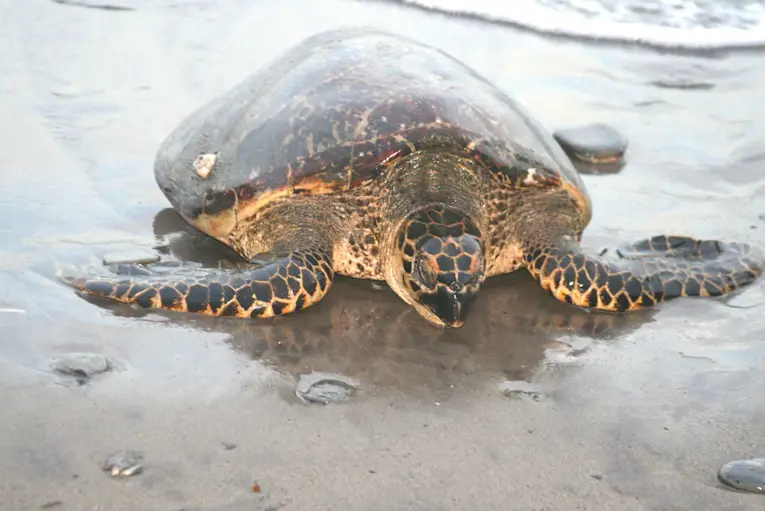
Hawksbill nesting in Bastimentos National Marine Park, Panama, has grown from just a handful of nests in 1990 to over 1,000 a year today. Daily beach monitoring now helps protect a population saving an estimated 11,100 hatchlings each year. Photo credit: SEE Turtles
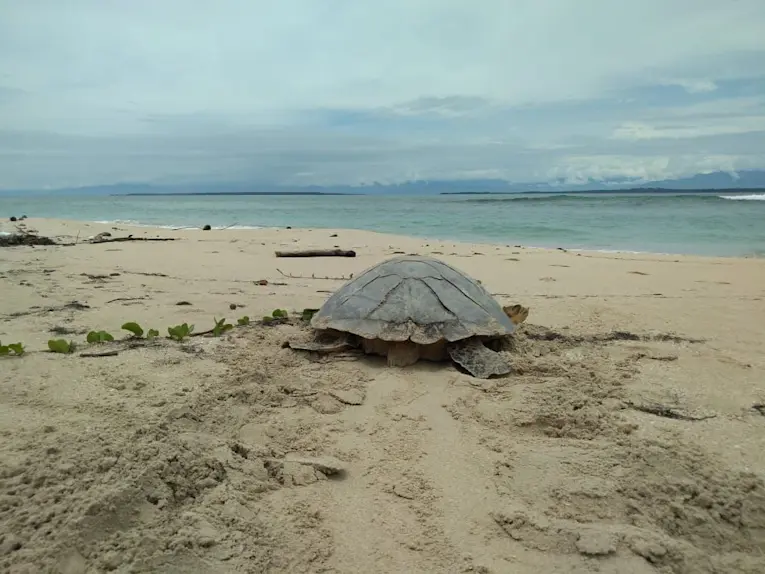
On the remote, hilly beaches of the Paria Gulf, Venezuela, boat patrols have driven sea turtle poaching from 88% of nests in 2003 down to nearly zero today. Your support keeps these weekly patrols running and has helped save an estimated 3,165 hatchlings by relocating vulnerable nests with the local Macuro community. Photo credit: SEE Turtles
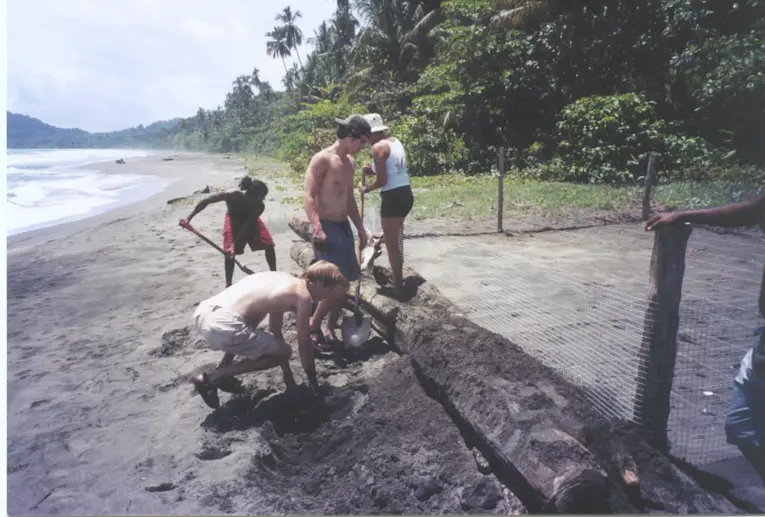
SEE Turtles has recently acquired EcoTeach, a nonprofit that creates custom trips where students work side-by-side with local conservationists. This will expand opportunities for student conservation and coastal communities, growing impact through conservation travel and environmental education. Photo credit: Brad Nahill
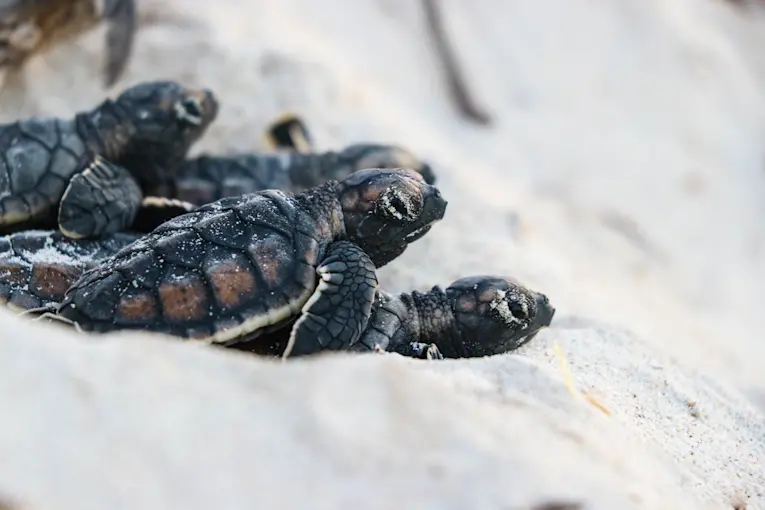
Hawksbill hatchlings recently emerged from a nest in Mexico. Credit: Maria Andrade/ProNatura Peninsula de Yucatan
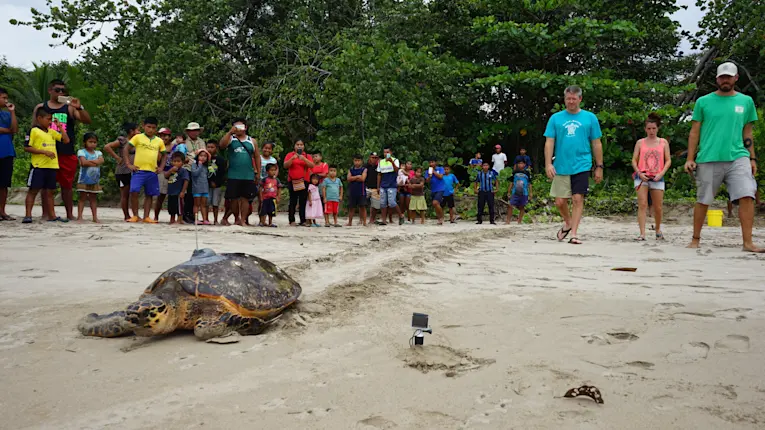
Releasing a hawksbill turtle with a satellite transmitter in Panama. Credit: Sea Turtle Conservancy
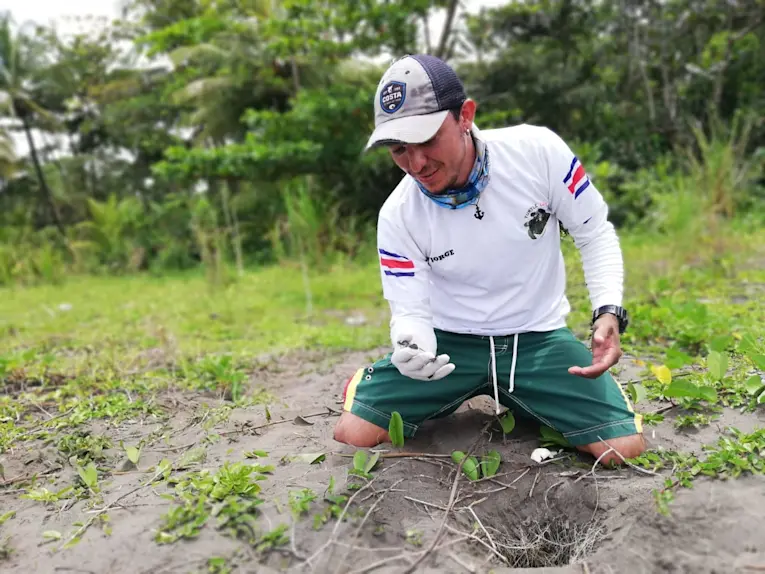
Researcher inspecting a green turtle hatchling in Costa Rica. Credit: Turtle Love
SEE Turtles recently passed 20 million baby turtles saved through their Billion Baby Turtles program! Pinwheel and its clients have worked with SEE Turtles to protect turtle nesting beaches for several years, helping to save more than 2 million hatchlings so far.
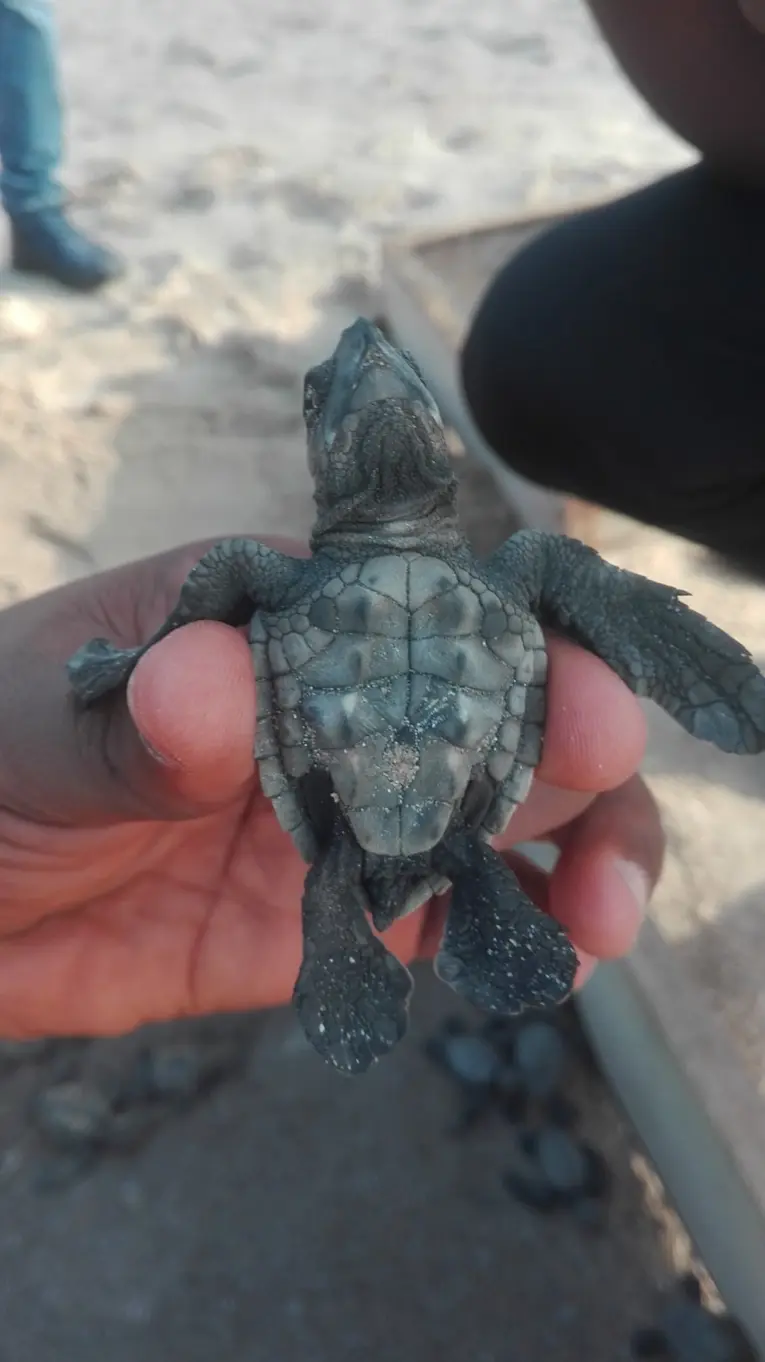
Project partner, Our World, Our Sea in Ghana have a well-coordinated beach monitoring strategy combining beach patrolling, egg transplantation into hatcheries, community involvement through a by-catch release program named “fishing gears for turtles” and intensive community awareness-creation.
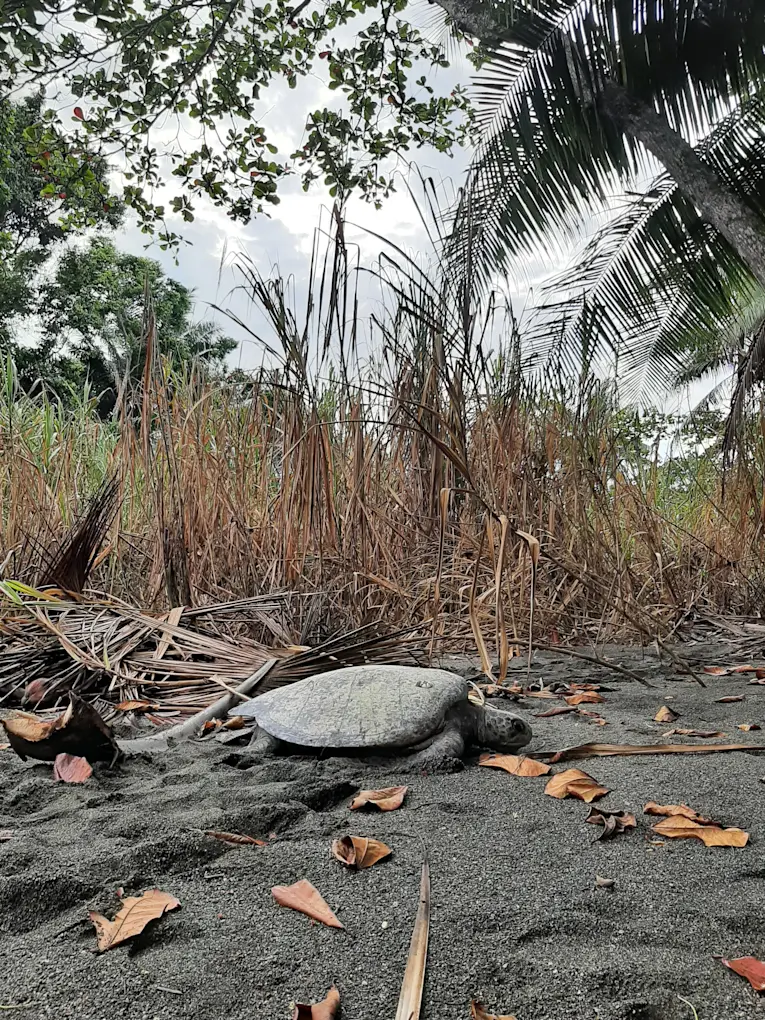
An olive ridley nests in Costa Rica. (Photo credit: -Tortugas de Osa)
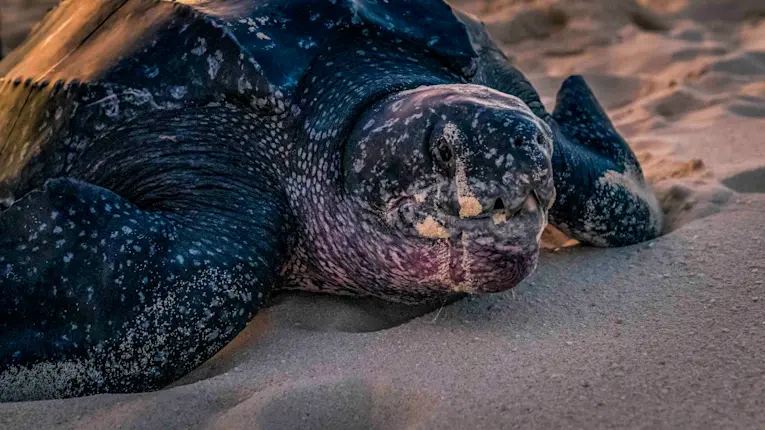
A leatherback turtle nesting in Indonesia. (Photo credit: Turtle Foundation)
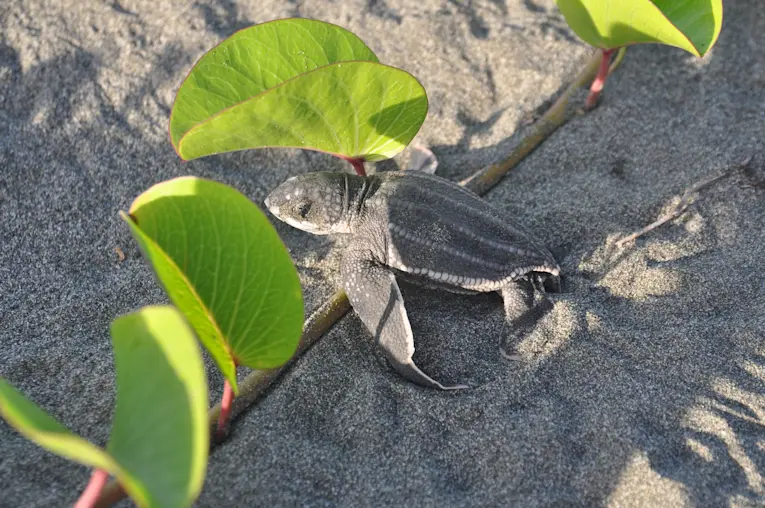
The Billion Baby Turtle project has supported 5 different turtle species. Photo credit: Brad Nahill
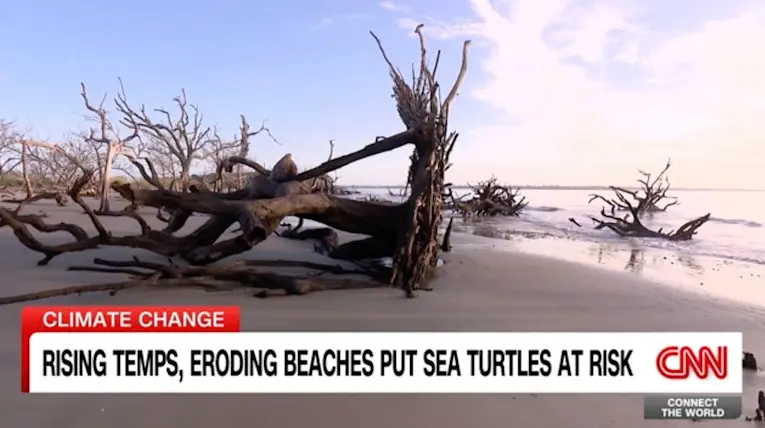
Climate change impacts sea turtles in many ways. One of the biggest ways is that warming sand temperatures can result in a gender imbalance with more females than male hatchlings.
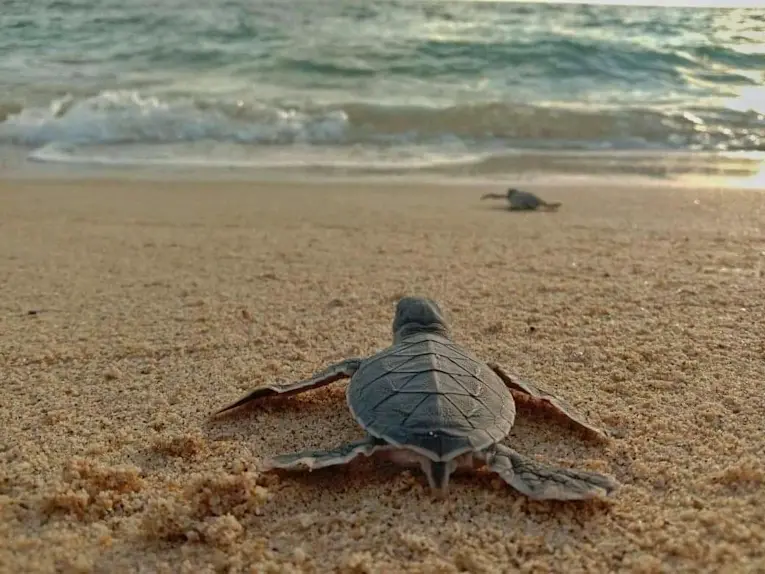
Pamali Indonesia is a not for profit organisation working on sea turtle protection and conservation. Their sea turtle nest protection program on Denawan island runs in 2 ways: in situ and in a hatchery. They relocate nests that are below the high tide line and where there is a high risk of disturbance from animals or humans. All the nests at risk are relocated into the hatchery.
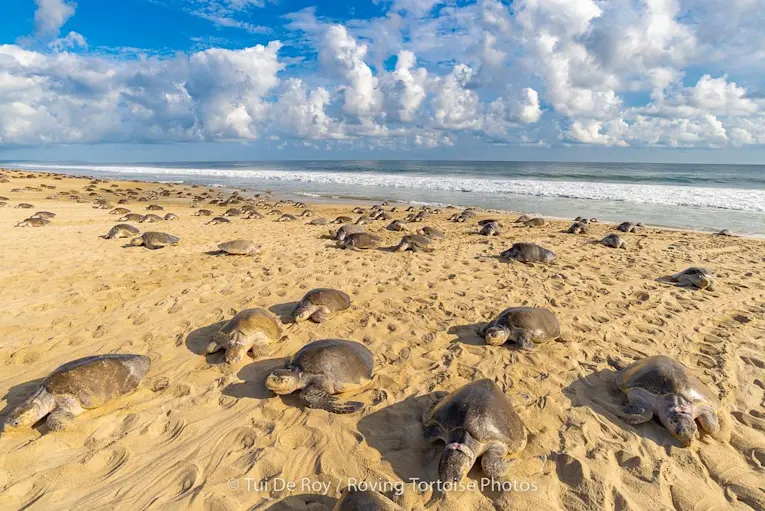
Olive ridley sea turtles, the most abundant sea turtle species, are known for their unique mass nesting behavior called “arribadas,” where thousands nest together. Found in tropical oceans worldwide, these turtles face threats like egg poaching, fishing net entanglement, and coastal development. Though relatively common, their population has declined by 50% since the 1960s. Efforts to protect them are vital to preserving their future.
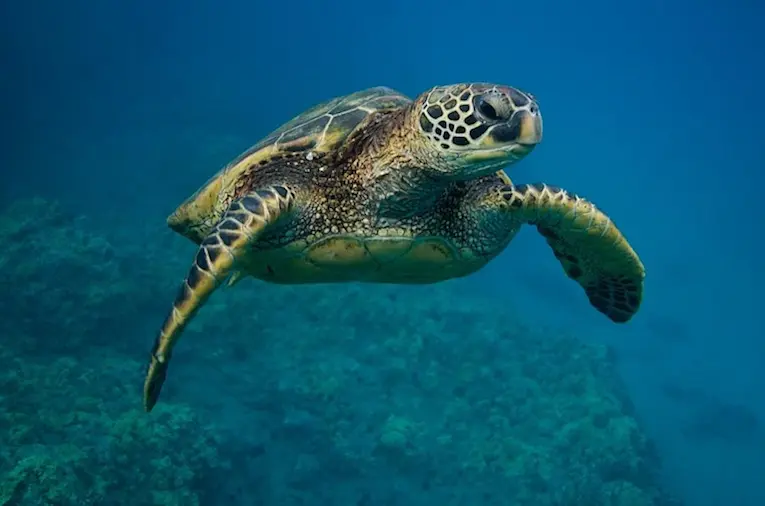
Green sea turtles are large marine reptiles, weighing up to 500 lbs and measuring up to four feet long. They are unique among sea turtles as herbivores, feeding on seagrass and algae, which helps maintain healthy ecosystems. Found in tropical and subtropical waters, they nest in over 80 countries. Listed as endangered, their populations are threatened by poaching, ocean pollution, and habitat loss. Conservation efforts aim to protect their habitats and raise awareness about the importance of reducing plastic waste and human impact.
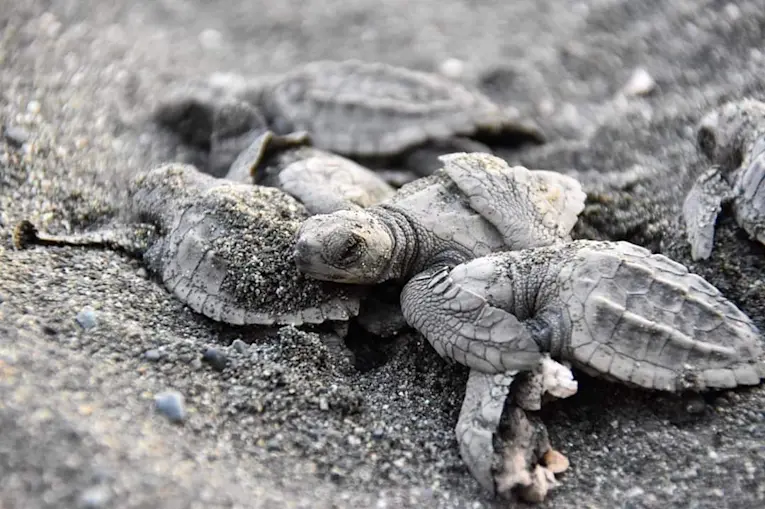
Partner Spotlight: Tortugas de Osa protects especially olive ridleys and green turtles at 3 beaches (Playa Carate, Pejeperro and Río Oro) in Costa Rica. Since 2019, Tortugas de Osa monitoring and research projects offer the opportunity to involve different local actors, volunteers and conservation organizations, to contribute to the protection and monitoring of marine turtles. This is a community-led conservation association that aims to integrate local people in the conservation of the highly biodiverse Osa Peninsula, and more specifically the busy sea turtle nesting beaches of Rio Oro and Carate. They focus on local communities in rural areas where individuals are looking to make positive change away from mining, hunting and taking inside the Corcovado National Park area. Our Billion Baby Turtles and Sea Turtles & Plastic program has supported their efforts to save hatchlings and reduce plastic pollution on these important beaches.
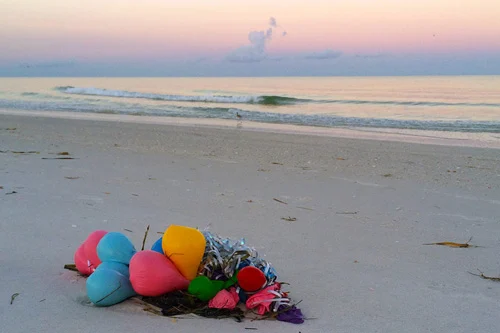
What goes up must go down! Balloons are a great way to celebrate a special occasion but what happens to them when you are done? If they get loose outside, they can be mistaken for food by wildlife. Their strings can also entangle or strangle wildlife like sea turtles. Learn more about how plastic impacts sea turtles by following @tapcampaign and on our TAP website: https://www.travelersagainstplastic.org/sea-turtles
Did you know that a group of sea turtles is called a bale or flotilla? Look at all of these little cuties heading off to the ocean! #funfactfriday #seaturtle #wildlife #ocean Video: Pamali Indonesia