Wetland and Forest Conservation New York City
Restoring and conserving wetlands and grasslands in New York City
Natural Areas Conservancy champions urban natural areas in New York City and across America through innovative research, partnerships, and advocacy. NAC increases the health and resilience of urban forests and wetlands, catalyses connections between people and nature, and strengthens the environmental workforce.
Action feed
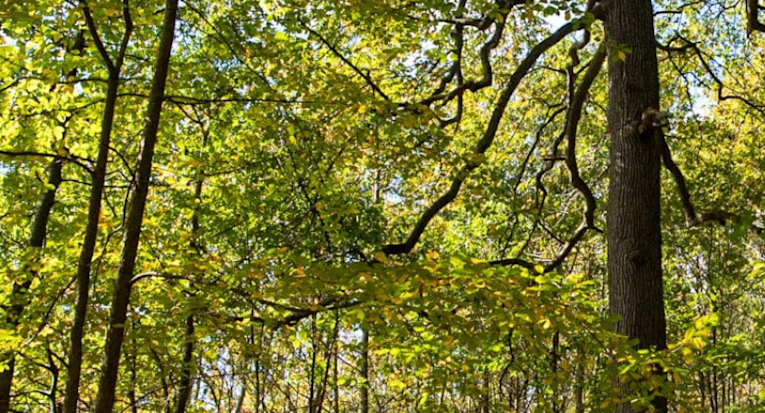
The NAC is conducting an Ecological Assessment of New York City's natural areas. Through data collection and analysis they are quantifying environmental changes, revealing trends in the health of forests, uplands, salt marshes, and freshwater ecosystems. Photo credit: Natural Areas Conservancy
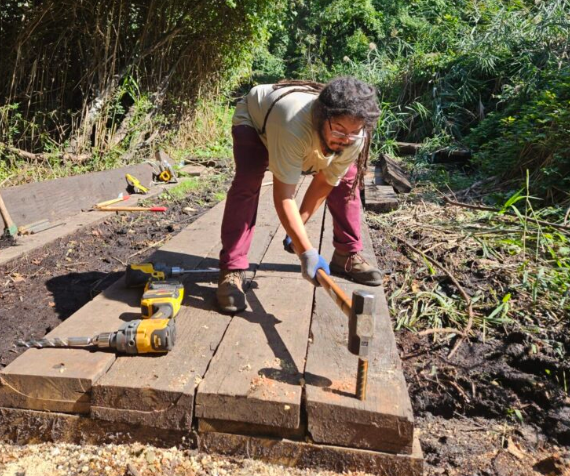
Where applicable, the NAC team uses locally sourced materials such as rock or rot resistant trees such as Black Locust as part of larger sustainable trail building efforts. Photo credit: Natural Areas Conservancy
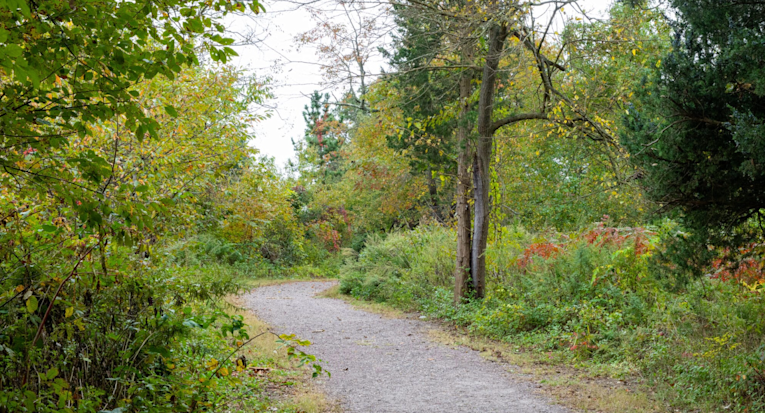
Through formalising nearly 300 miles of trails, the Natural Areas Conservancy is connecting residents with over 20,000 acres of forests, wetlands, and grasslands across New York City. Photo credit: Natural Areas Conservancy
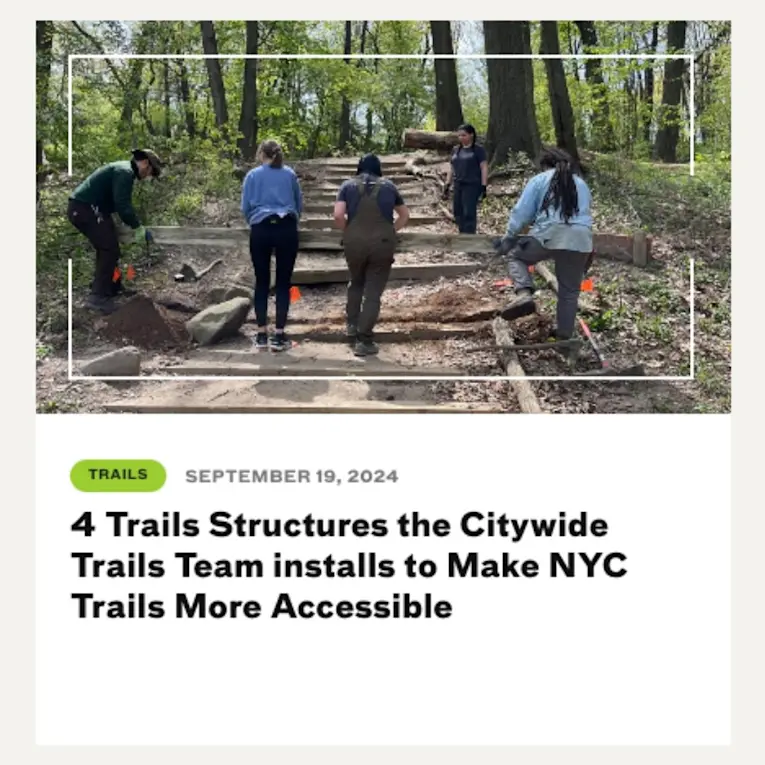
The Citywide Trails team formalizes trails in natural areas across all five boroughs. But what exactly does it mean to “formalize” trails? In addition to pruning vegetation from within the trail corridor and closing desire lines, the Citywide Trails Team utilizes four main trail structures to make these natural areas more accessible.
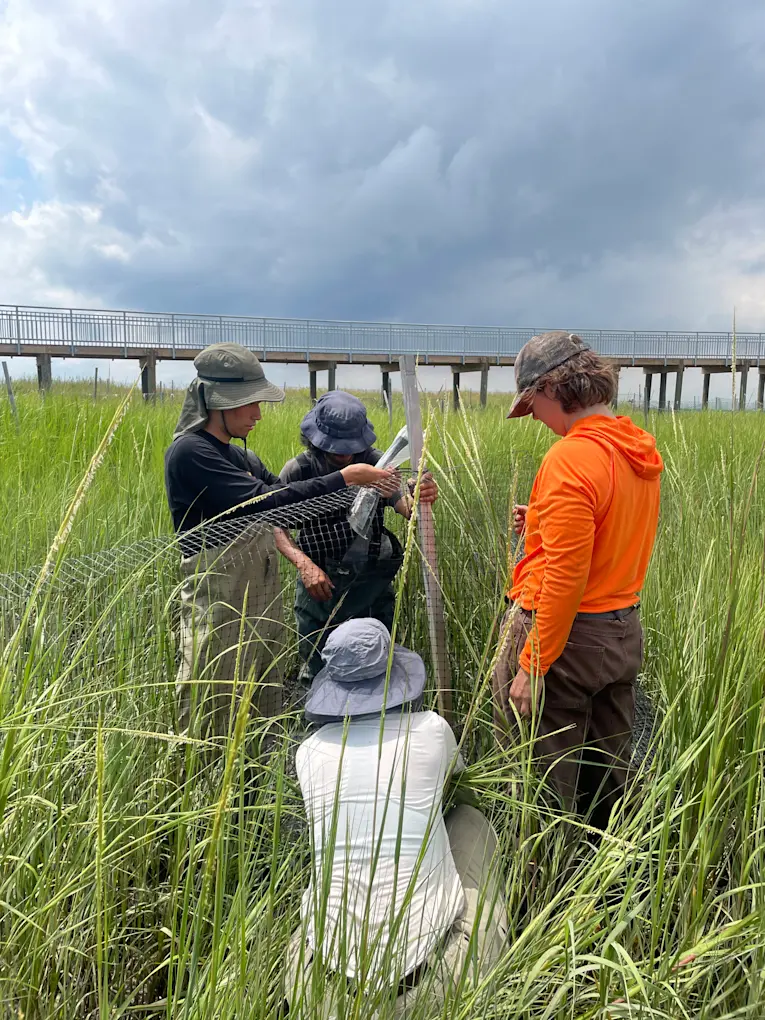
NAC interns conducting field research in NYC
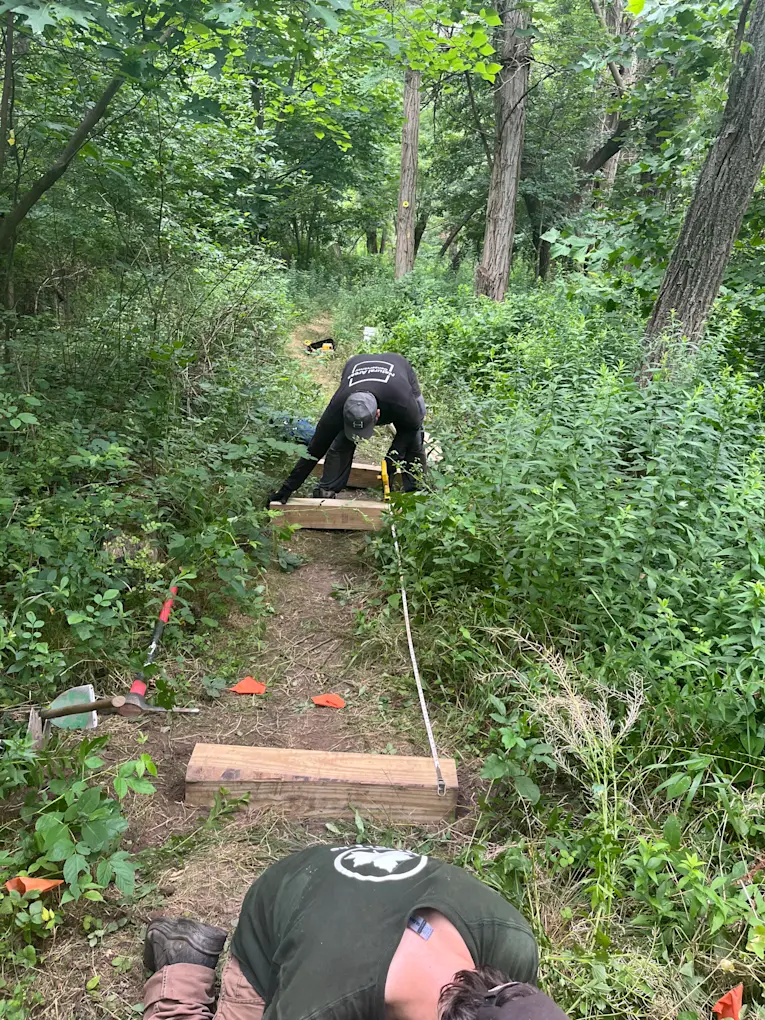
NAC interns working on trail construction in a New York City Natural Area
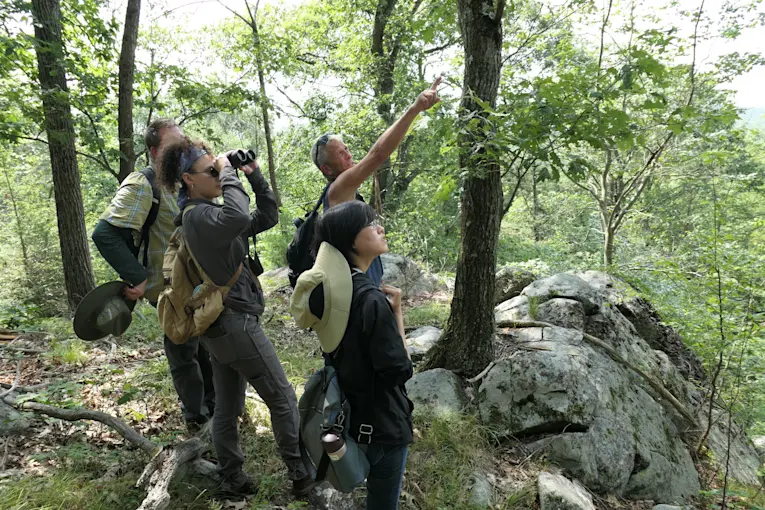
NAC interns exploring natural areas in NYC
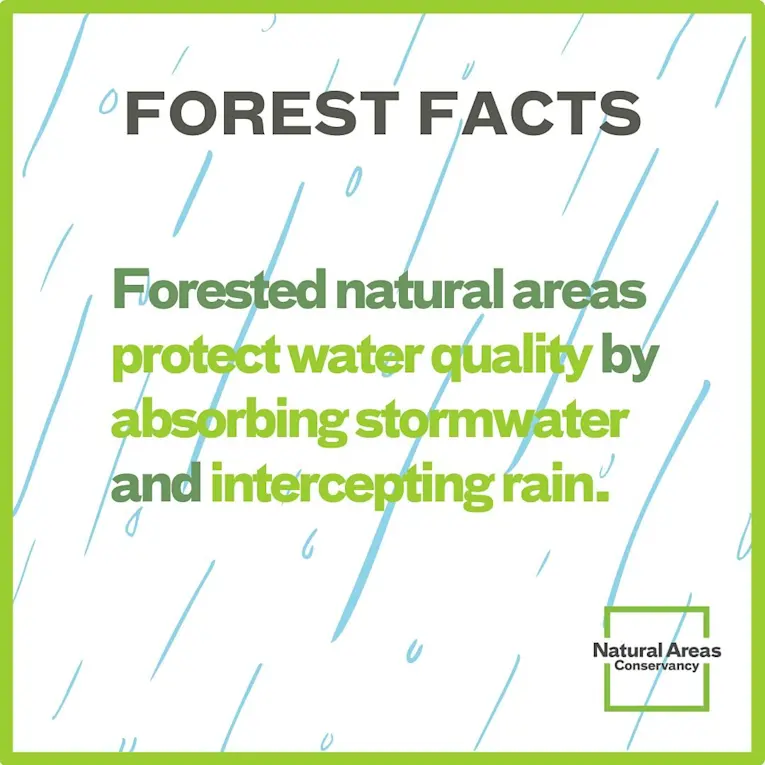
Rainstorms in NYC are another reminder that the city is vulnerable to stormwater and lacks the infrastructure to safely manage it. Forested natural areas can be one part of the solutions—having the ability to intercept rainfall and absorb stormwater runoff. #ForestFacts
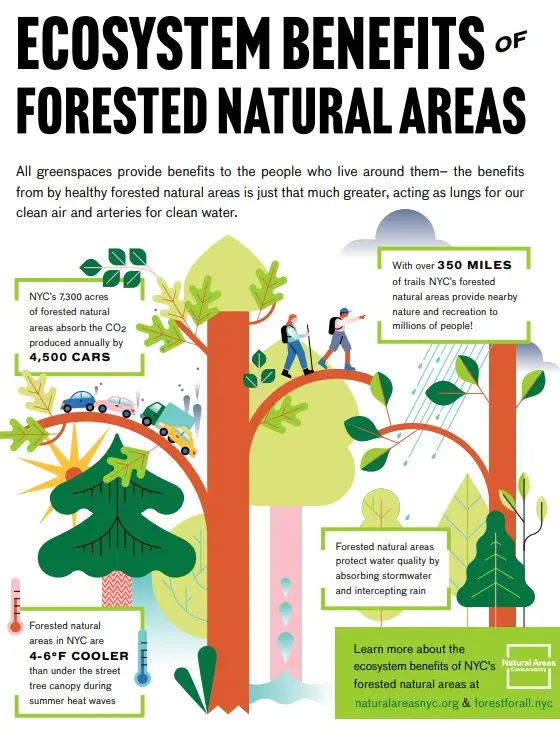
Our final infographic from the Funding Forested Natural Areas report covers the natural benefits conveyed to us all from healthy forests. Check it out!
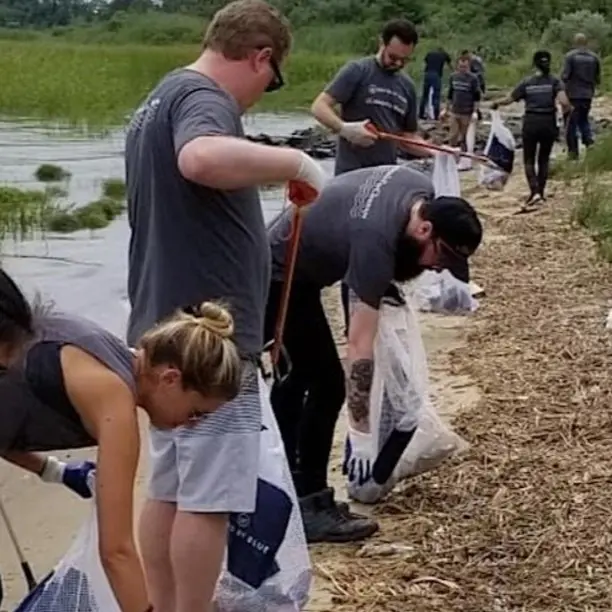
We're partnering with the Jamaica Bay Rockaway Park Conservancy and the Laru Beya Collective on Saturday, May 20 to help remove litter and debris at Jamaica Bay Park. Help restore and protect NYC's natural jewel in the crown, and sign up today! https://bit.ly/44Sgyjk
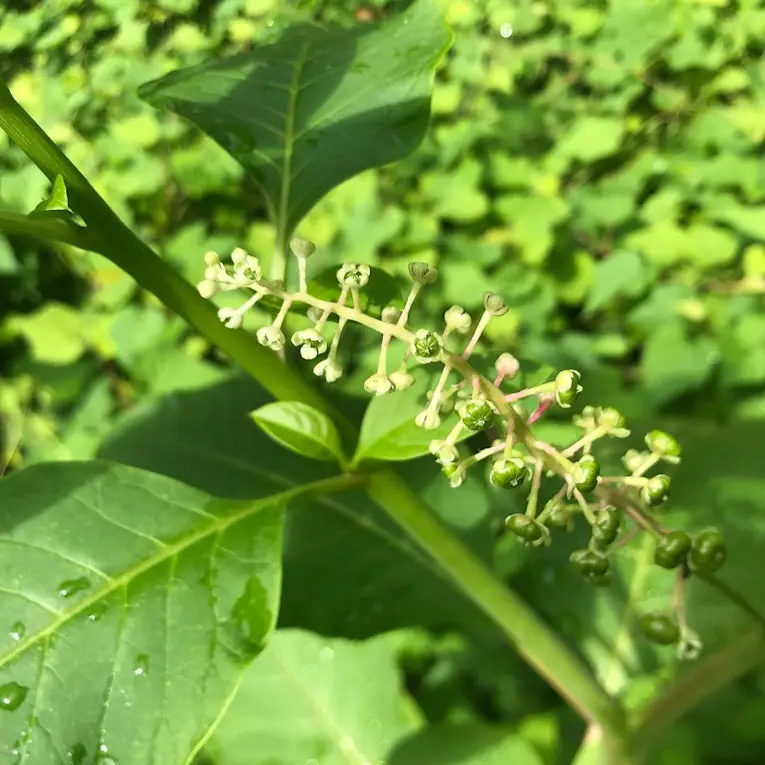
Today, we're talking Pokeweed (Phytolacca americana). It's a New York native perennial plant that you can spot in almost every park. If you're out exploring this weekend, look for this plant in open, disturbed natural areas and forest edges. Don't be tempted to eat them though! All parts of the Pokeweed plant are poisonous if eaten by people — but birds and wild animals love them.
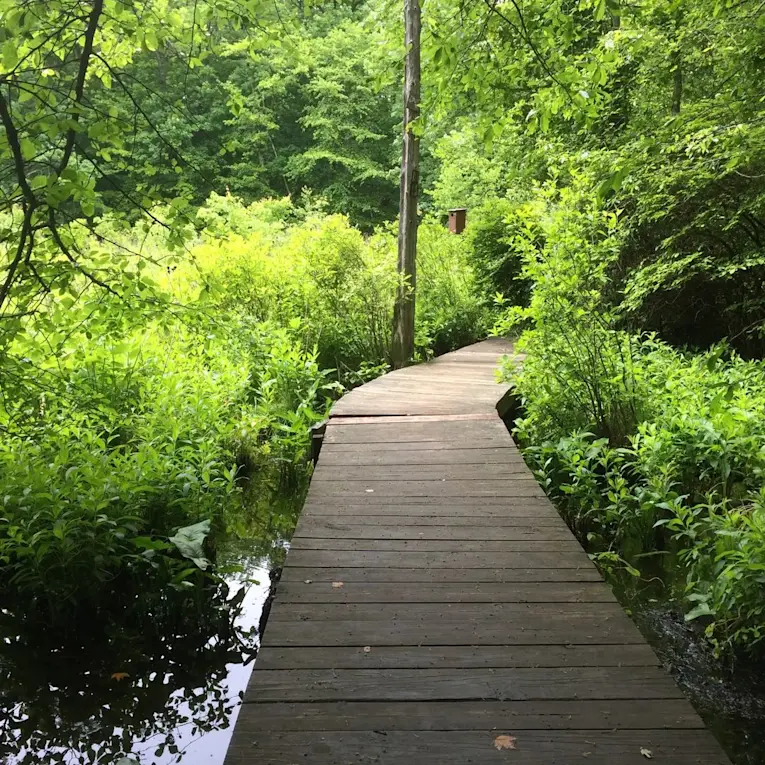
Did you know 59% of Staten Island is green? This week visit High Rock Park in Staten Island and climb Mt. Moses for some outdoor exercise. The park offers a unique hiking experience complete with a gorgeous 360-degree panoramic view.
Wetland and Forest Conservation New York City was verified by Pinwheel
Wetland and Forest Conservation New York City joined Pinwheel!