Wolf Protection - I Am Not Afraid of the Wolf
Promoting coexistence between human activities and the presence of the wolf
Io non ho paura del lupo, or "I am not afraid of the wolf" in English, is an Italian charity organisation whose aim is to ensure the conservation of the wolf in Italy and Europe and its coexistence with human activities. The organisation carries out various initiatives dedicated to mitigating the conflict between wolves and stakeholders, disseminating information on the issue and combating misinformation about this fascinating predator of our forests. It brings together farmers, breeders, simple enthusiasts and nature professionals for the protection of nature and its inhabitants.
Action feed
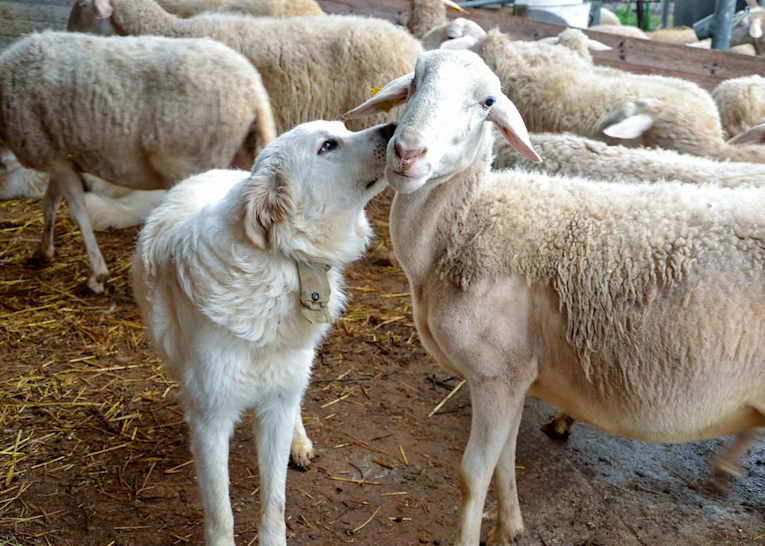
The "Cani Protenzione Bestiame" project supports livestock protection across 16 Italian regions, involving 192 farmers and breeders managing around 24,000 livestock with the help of 612 protection dogs. By the end of 2025, the project had also distributed 782 informational signs to participating communities. Photo credit: I Am Not Afraid of the Wolf
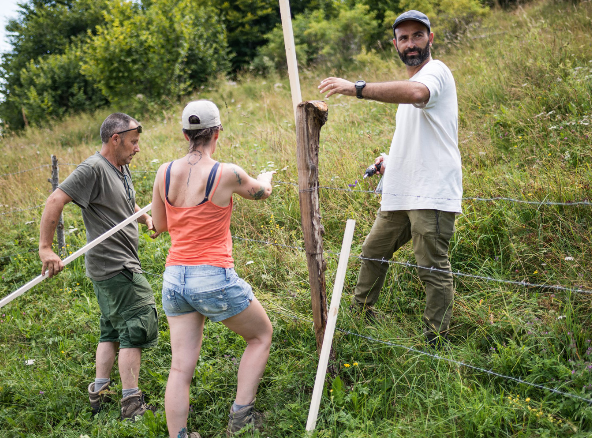
Over the past 3 years the Coexistence Fund has provided nearly 18 tonnes of livestock guardian dog food and more than 11km of protective fencing. Photo credit: I Am Not Afraid of the Wolf
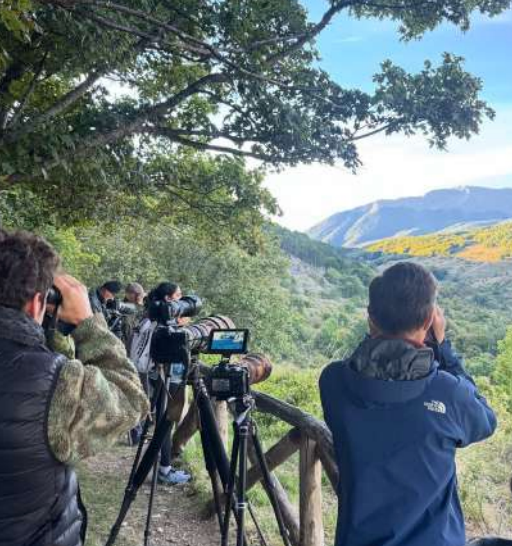
This project uses volunteers and non-invasive monitoring techniques, such as tracking and camera traps, to collect valuable data on wolf populations and share it with relevant institutions. These efforts have considerably improved understanding of wolves in under-researched areas. Photo credit: I Am Not Afraid of the Wolf
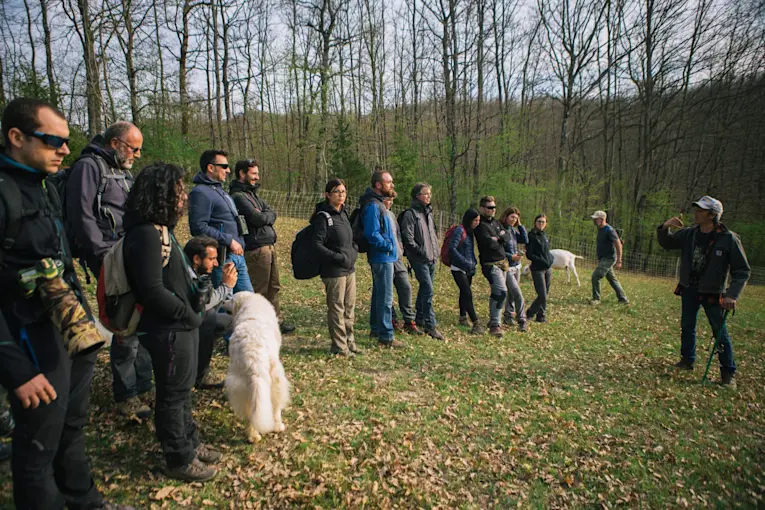
In 2026 alone, the Coexistence Fund - promoted by 'I Am Not Afraid of the Wolf' - has supported 50 farmers in 13 regions with guardian dog food, fencing materials, and prevention equipment worth around €30,000. Every fence installed and every guardian dog supported helps build safer, more resilient farming communities. Photo credit: I Am Not Afraid of the Wolf
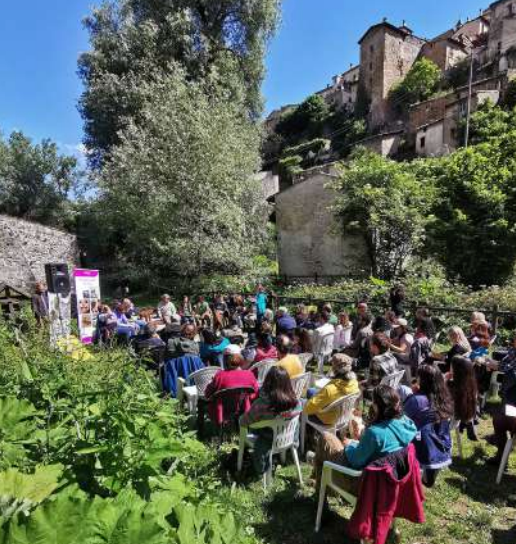
"Knowing the Wolf - Schools" is an educational initiative that teaches students and teachers about wolf biology, behaviour, and ecological importance using age-appropriate scientific information. Over the 2025/26 school year 88 schools took part in the programme, helping young people better understand human-wildlife coexistence in Italy. Photo credit: I Am Not Afraid of the Wolf
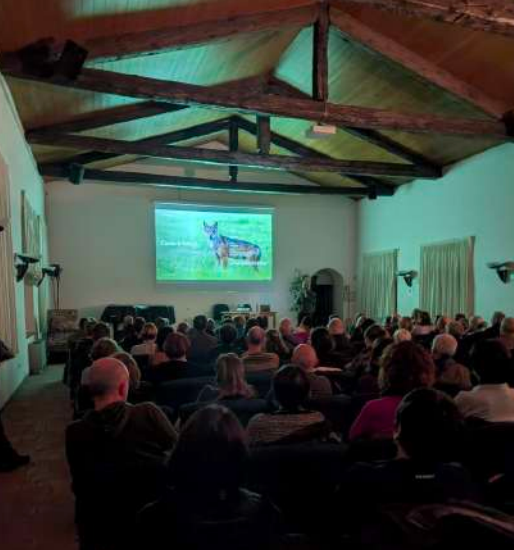
"Conoscere il lupo" (Getting to Know the Wolf) is a public outreach initiative that educates local communities in Italy about wolves through discussion events and scientific information sharing. in 2025, 26 events across six Italian regions over 1,800 people, helping address concerns and promote informed coexistence with returning wolf populations. Photo credit: I Am Not Afraid of the Wolf
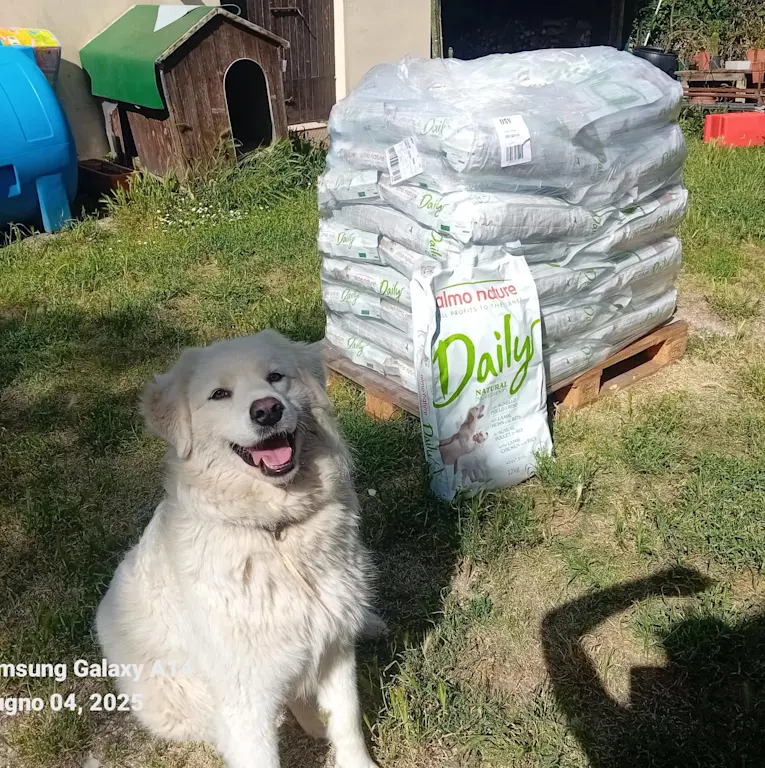
Over 5 tonnes of food for livestock guardian dogs has been purchased.
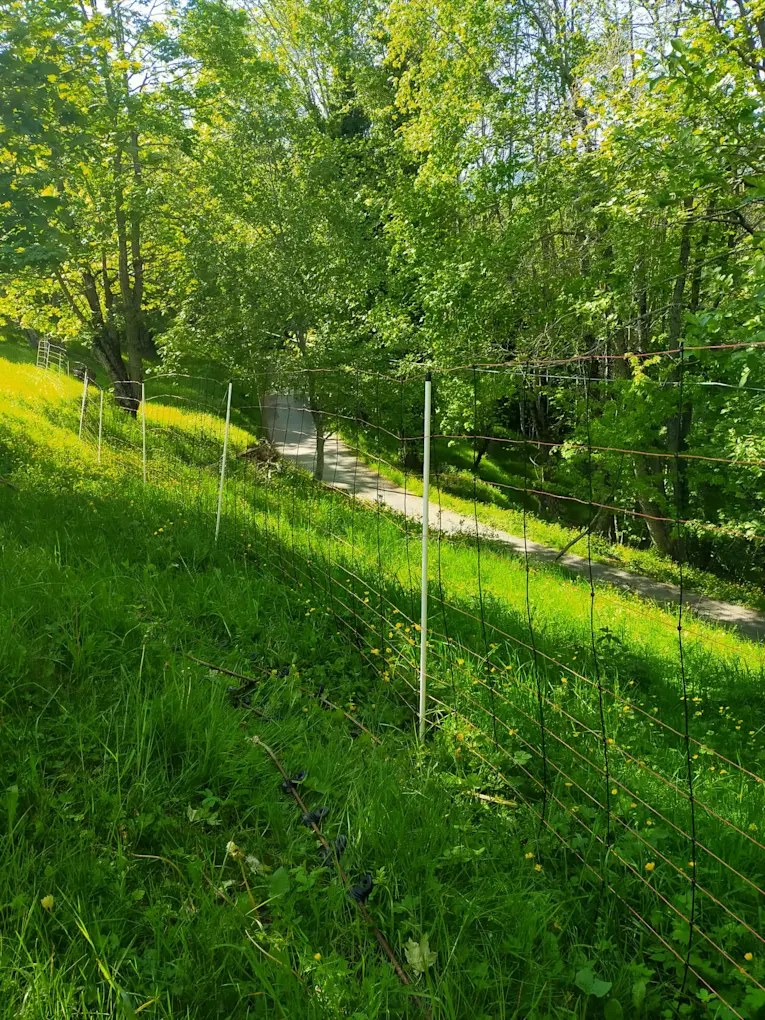
3 large solar-powered electric fences and 4 rolls of mobile electric net fencing have been distributed. This will protect farmland and reduce human-wolf conflict.
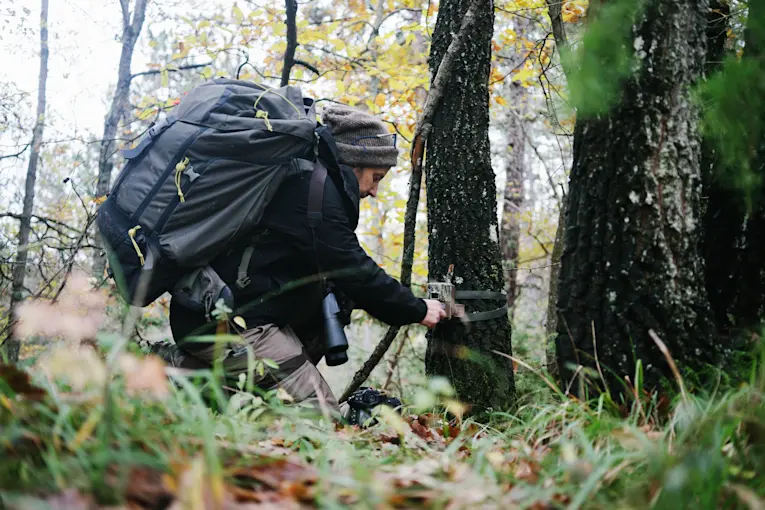
Wolf monitoring is one of our main activities. This allows us to get to know the packs in the territories we monitor in the Alps and Apennines and allows us to have useful material for science dissemination activities.
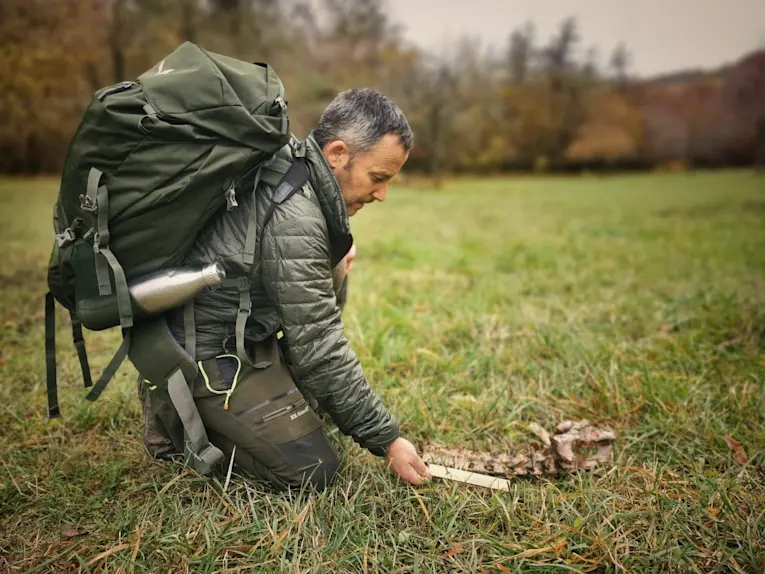
Through searching for signs of presence, we carry out research projects and contribute to institutional monitoring activities of the wolf species. (photo credit Francesco Romito).
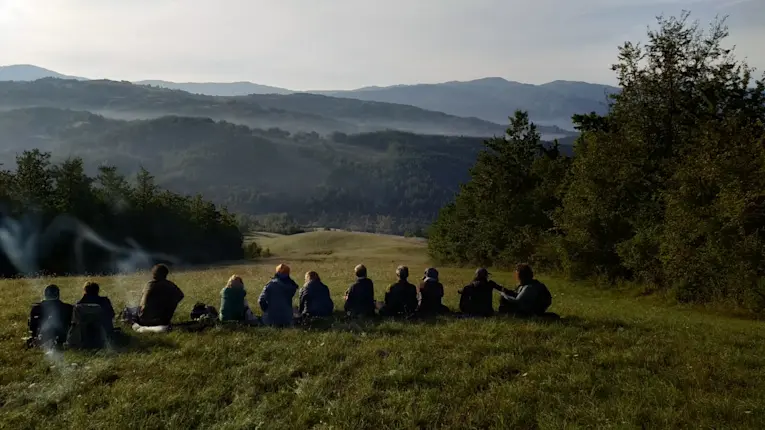
Providing educational and training experiences in the outdoors, discovering wolves and all other wildlife remains one of our organization's core activities. (photo credit Stefano Manfredini)
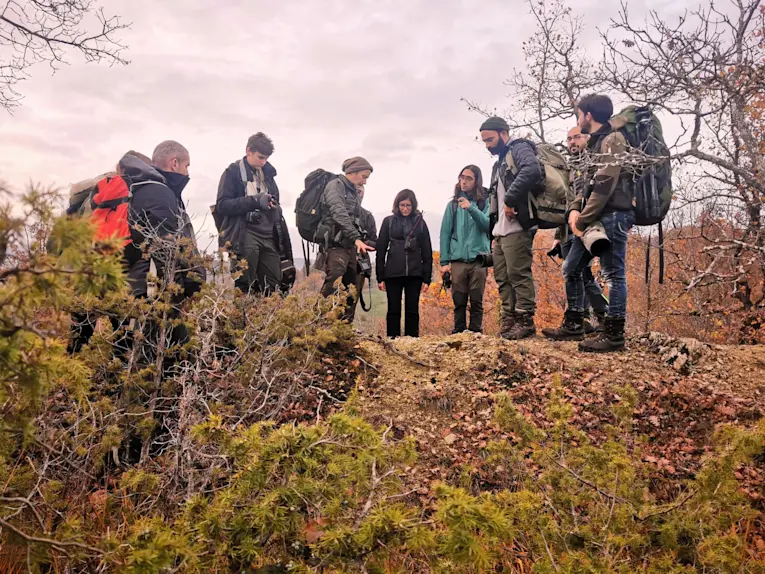
Research projects and educational events often see us in the field, and the experience of sharing these moments remains one of the activities that most enrich the spirit of our organization.
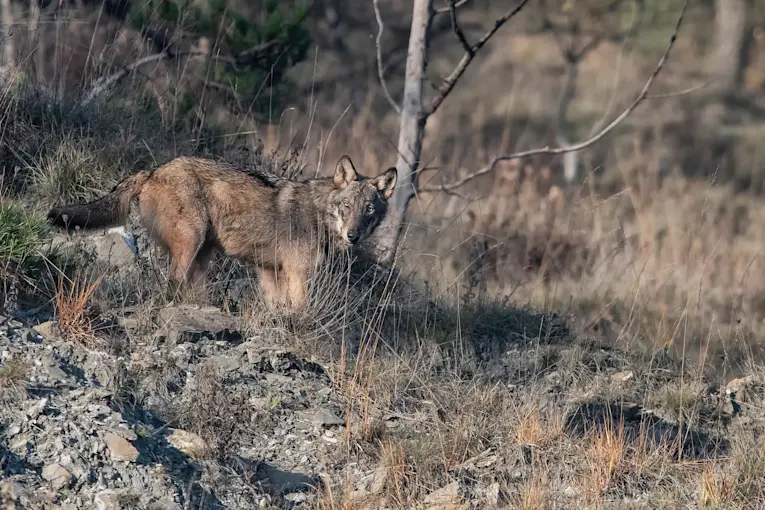
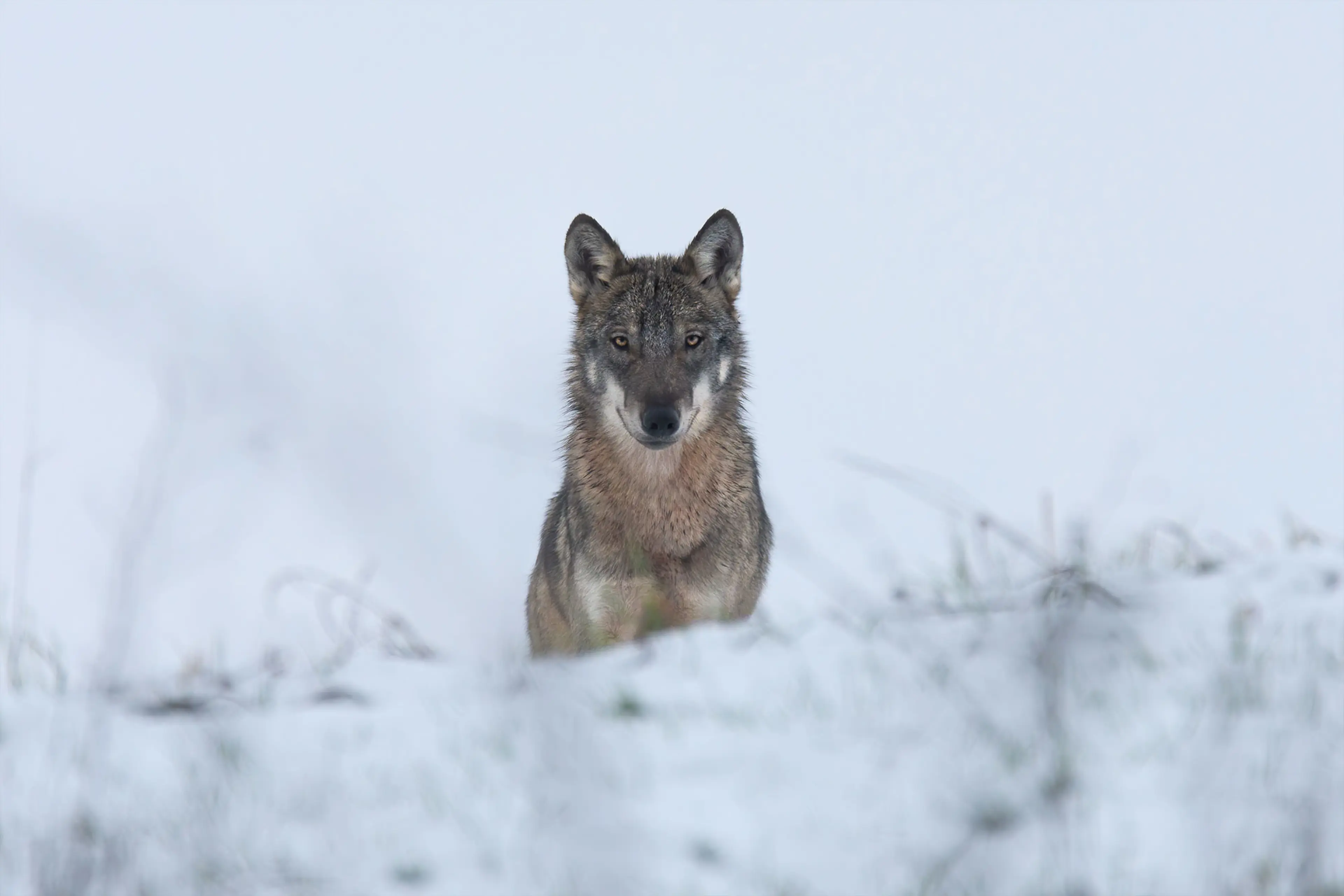
The wolf remains an elusive animal, although it can occasionally be spotted near inhabited areas, especially at night. Yet to date this predator remains among the most elusive in Europe. (photo credit Stefano Manfredini)
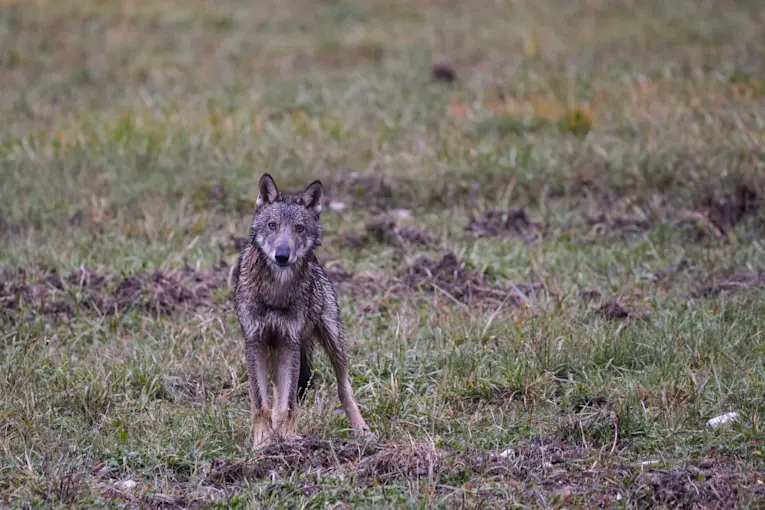
The wolf in Italy is experiencing a critical moment. Disinformation, fake news and biased interests threaten its conservation and cultural acceptance. This is why our organization is working hard, with the aim of healing these gaps and preserving the wolf into the future. (photo credit Francesco Romito)
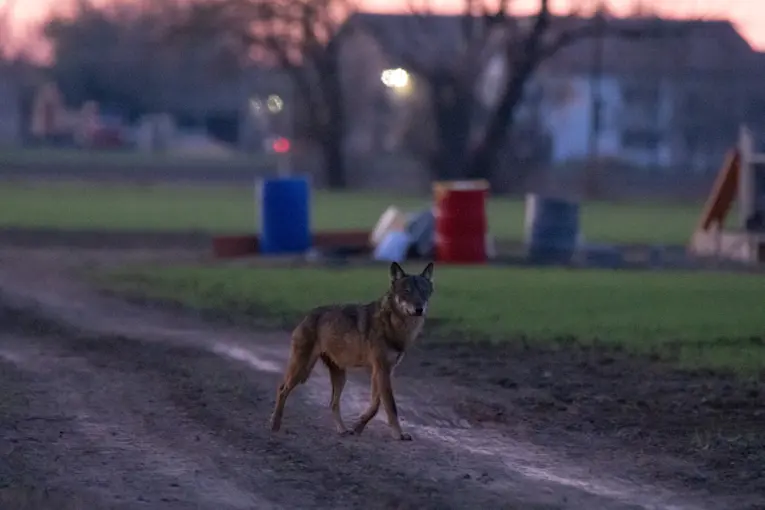
Sometimes wolves may move close to population centers, especially at night. Therefore, our organization advocates good practices so that wolves stay away from population centers and do not come into conflict with human activities. (photo credit Alessandro Barbieri)
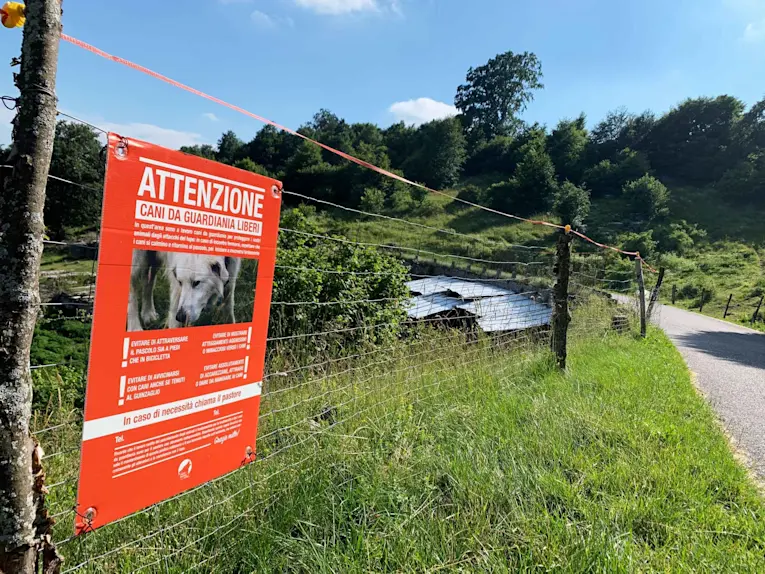
Through our work we deliver to herders and breeders useful tools for coexistence with wolves, such as these livestock protection dog information signs dedicated to tourists and other users of the mountains, so that they can report that protection dogs from wolves are at work in that area. (photo credit Gaetano Pimazzoni)
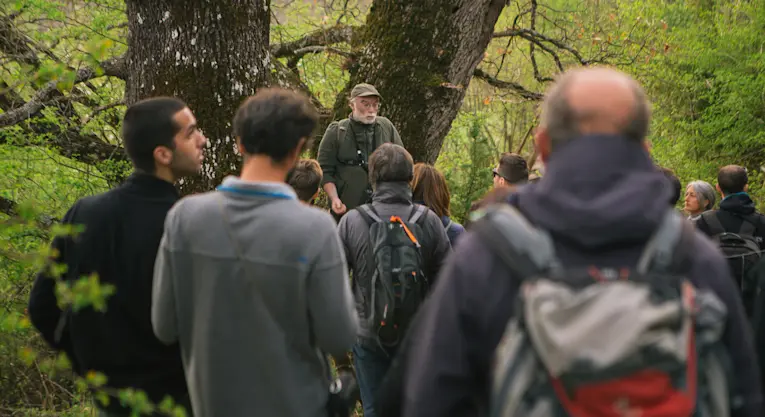
In our country the wolf is an animal in great need of storytelling, so through dedicated events we offer a storytelling of the packs we know through our research projects. (photo credit Gaetano Pimazzoni)
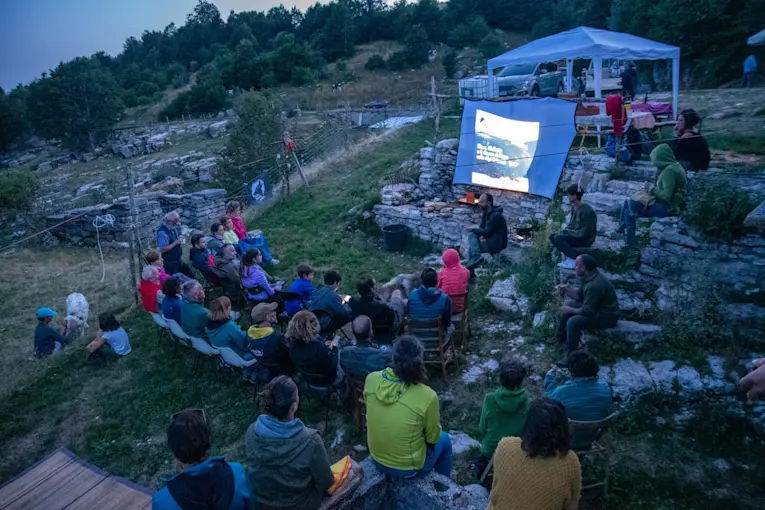
Telling the story of the return of the wolf through events open to the public in areas of new colonization and creating culture on the issue remains one of the main goals of our organization. (photo credit Stefano Manfredini)
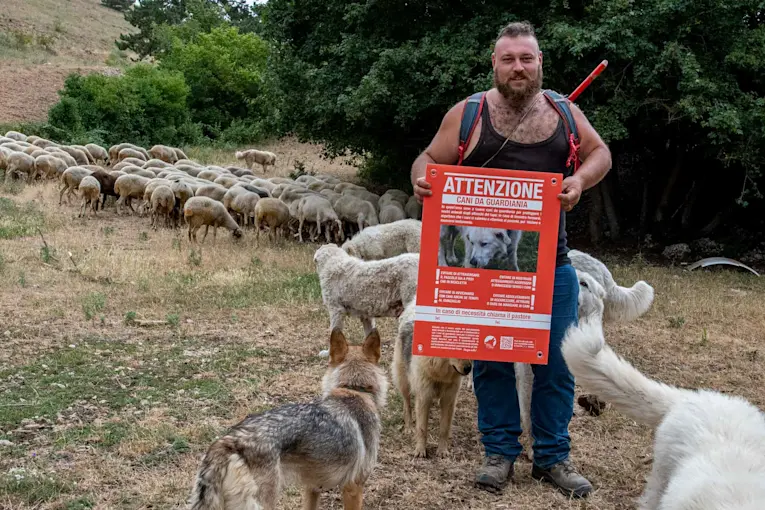
Our help to shepherds often sees us on the line, rolling up our sleeves in order to help them coexist with the wolf. (photo credit Stefano Manfredini)
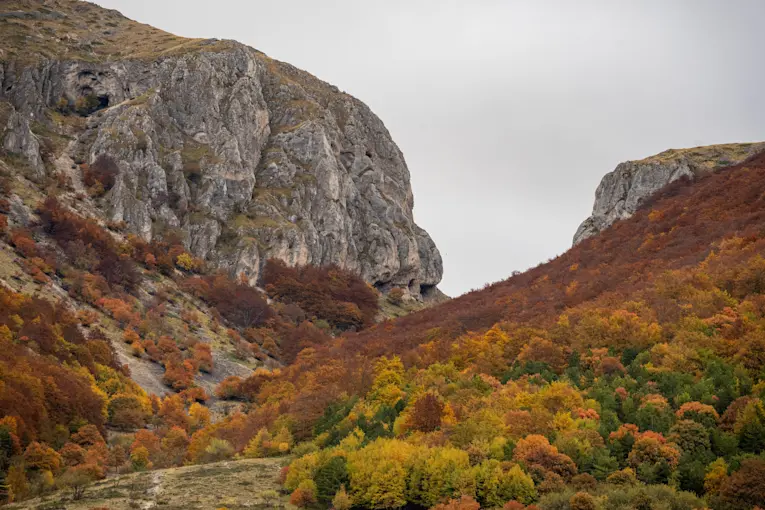
Long observations at dawn and dusk are the best time to try to observe the most elusive ghost in our forests, the wolf. (photo credit Alessandro Barbieri)